Engineered high-security and parking entrance configurations optimized for South African commercial and residential developments.
Navigating structural challenges, grid instability, and security imperatives in Southern Africa’s build environment.
South Africa’s commercial and industrial landscape is undergoing a massive transformation. With major economic epicenters like Gauteng (Johannesburg and Pretoria), KwaZulu-Natal (Durban Port and logistics corridors), and the Western Cape (Cape Town's tech and coastal commercial hubs) expanding rapidly, the demand for robust, secure, and energy-efficient entrance door solutions has reached unprecedented levels. Modern facilities require more than just structural barriers; they need entry points integrated with cutting-edge access control, thermal isolation properties, and high-speed operation mechanisms to optimize logistical workflows.
In logistics centers, warehouses, and cold storage facilities throughout South Africa, the entrance door is a critical node in the supply chain. Slow-moving, poorly insulated doors can lead to massive energy losses, compromise clean-room environments, and delay rapid cargo dispatch. Modern factories are moving away from traditional rolling doors to high-performance, insulated sectional overhead systems and automated high-speed doors that can cycle hundreds of times per day without structural fatigue.
How engineering innovations solve the unique regional challenges of Durban, Cape Town, and Gauteng.
Automated entrance systems in South Africa must remain operational during scheduled power cuts. Leading factories integrate low-voltage DC motors, external solar-buffer controllers, and mechanical manual bypass levers. By deploying intelligent frequency-controlled drive units that draw minimal peak power, warehouses can operate their high-speed fabric doors using modest, localized battery backups or uninterruptible power supply (UPS) systems, preventing freight bottlenecks at commercial distribution centers.
In coastal cities like Durban, Port Elizabeth, and Cape Town, the marine atmosphere falls under the ISO 12944 classification of C5-I/C5-M (very high industrial/marine corrosion risk). Standard steel doors rust within months. Factory solutions serving South Africa must utilize hot-dip galvanized steel substrates, specialized multi-layer powder-coating finishes, and marine-grade stainless steel hardware (SUS316) for guide tracks, rollers, and hinges. This guarantees operational durability in harsh, salt-laden environments.
The Western Cape experiences severe seasonal winds, including the infamous "Cape Doctor" south-easterly wind, which can exceed speeds of 100 km/h. Entrance doors for large-span openings, such as aircraft hangars, logistics depots, and agriculture storage facilities, must incorporate wind-resistant rib profiles and structural end-locks. Heavy-duty aluminum alloy slats or steel reinforcements ensure the curtain remains secure in its tracks even during high-velocity wind events, complying with international wind load ratings (up to EN 12424 Class 4/5).
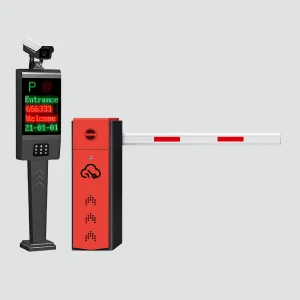
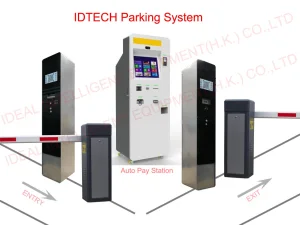
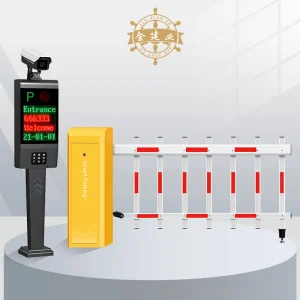
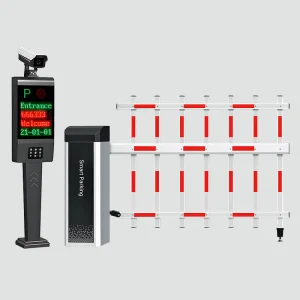
South African residential estates, public utilities, and commercial parks operate under high-security profiles. Gateways and perimeter entrances must prevent tailgating and forced entry. Bespoke defense systems integrate rapid-closing mechanisms, license plate recognition (LPR), millimeter-wave radar detection to prevent accidental closing on vehicles, and heavy-gauge double-skinned steel sections filled with high-density polyurethane insulation for physical resilience against impact.
How Dongguan Gerald Doors Co., Ltd. delivers high-performance industrial entrance systems to the African continent.
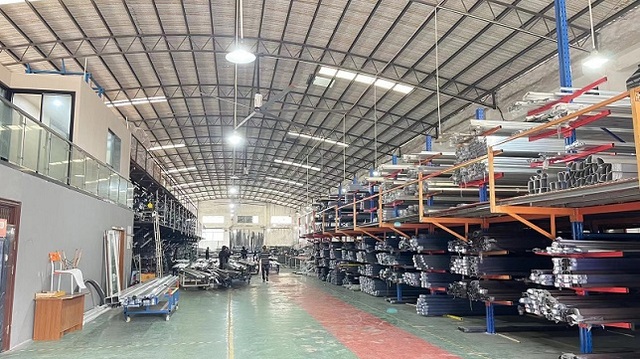
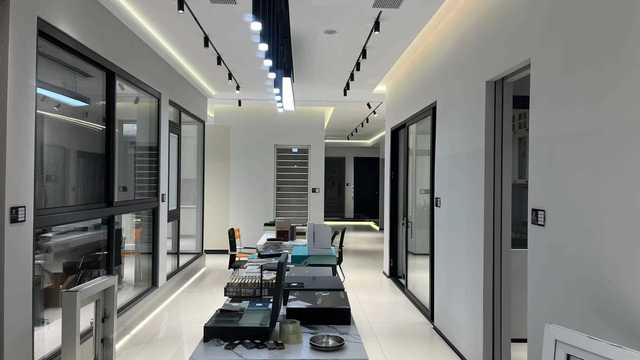
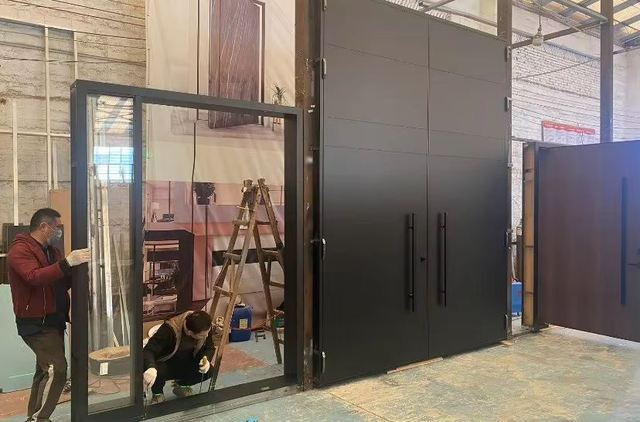
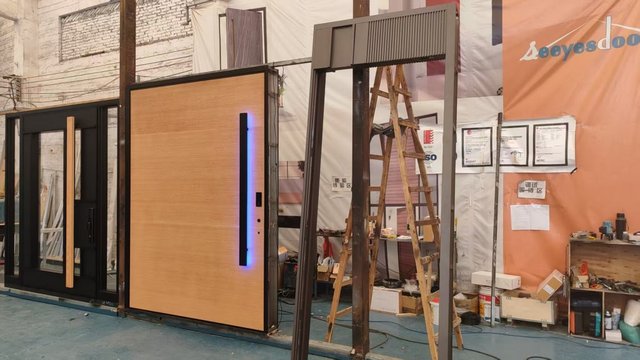
Dongguan Gerald Doors Co., Ltd. is a leading China garage door manufacturer specializing in residential, commercial, and industrial door solutions for customers worldwide. With a strong focus on quality, innovation, and reliability, Gerald Doors provides a comprehensive range of entrance and access systems designed to meet the needs of modern buildings, warehouses, logistics centers, factories, and residential properties. By combining state-of-the-art Chinese manufacturing capacity with local operational profiles in South Africa, we bridge the gap between world-class engineering and regional accessibility.
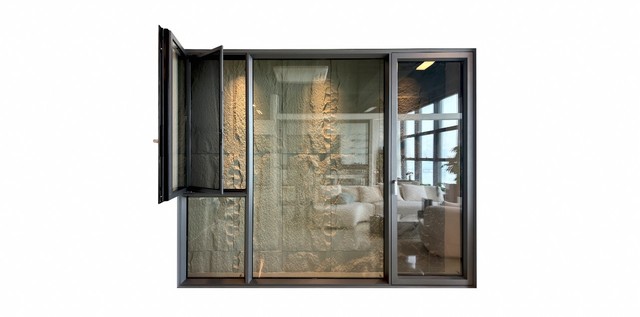
Our product portfolio includes residential garage doors, commercial garage doors, industrial overhead doors, sectional doors, roller shutter doors, high-speed doors, fire-rated doors, security doors, and customized access solutions. Engineered with premium materials and advanced manufacturing technologies, our products are designed to deliver superior durability, safety, energy efficiency, and long-term performance in diverse operating environments.
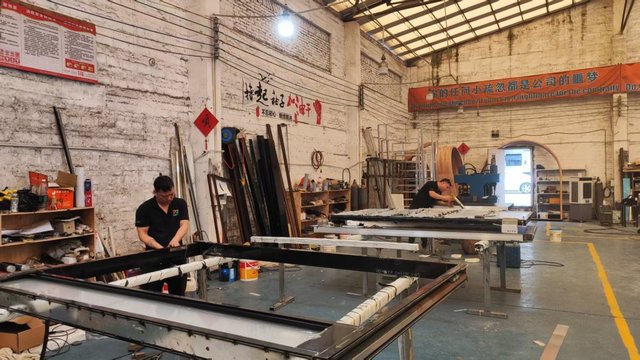
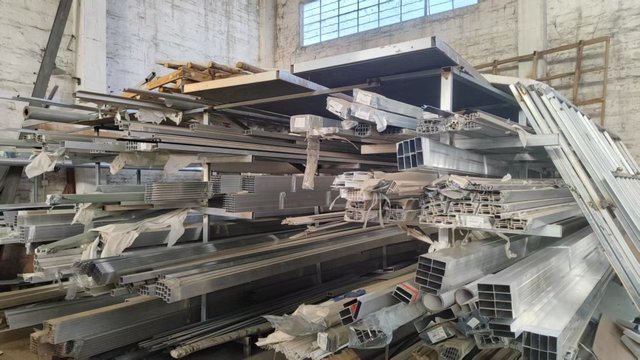
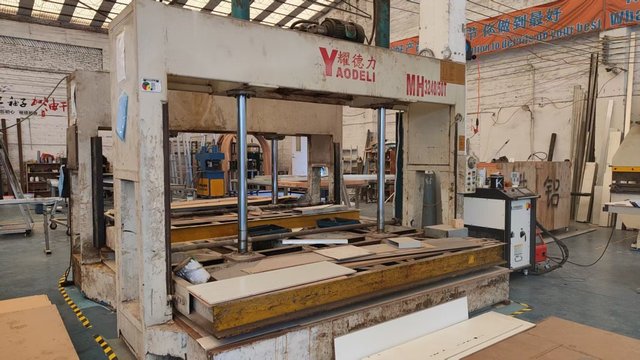
At Gerald Doors, we understand that every project has unique requirements. Our experienced engineering and production teams work closely with customers to develop tailored solutions that match specific dimensions, operational needs, architectural styles, and performance standards. From design and manufacturing to quality control and delivery, we maintain strict production processes to ensure consistent product excellence.
Serving clients across North America, Europe, the Middle East, Southeast Asia, and other global markets, Gerald Doors has built a reputation for dependable products, responsive customer service, and competitive manufacturing capabilities. We continuously invest in research and development to improve product functionality, automation technologies, and smart access solutions that support the evolving demands of residential and industrial applications.
Integrating Smart Sensors, IoT Access Control, and Green Energy Efficiency.
In accordance with Global Industry 4.0 trends and modern South African eco-architecture frameworks (such as the Green Star building certification), we are pivoting our technology stack to meet next-generation criteria. Future commercial and industrial entrances are no longer stand-alone mechanical assemblies; they are connected endpoints within the broader Building Management System (BMS).
Every automated entrance we design features optional IoT modules that transmit cycle counts, motor temperature, and alignment data to cloud platforms. This allows facility managers in Durban or Johannesburg to practice predictive maintenance, resolving motor or spring fatigue before an unexpected failure blocks a crucial logistics bay. Remote diagnostic capabilities also decrease downtime, allowing technical support to pinpoint faults and prepare exact components before arriving on site.
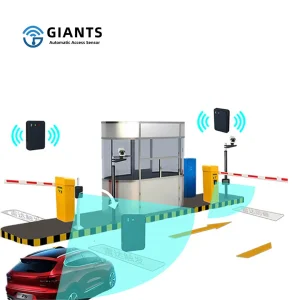
Traditional loops cut into road surfaces are expensive to maintain and prone to failures during ground movement or heavy rain. We integrate 80GHz Millimeter-Wave Radar sensors that detect vehicle direction, speed, and size. These radars differentiate between pedestrians and vehicles, preventing false triggers and keeping the opening cycle as short as possible to save energy. When paired with high-definition License Plate Recognition (LPR) cameras, the system facilitates secure, contactless passage for authorized vehicles while maintaining a comprehensive digital audit trail.
Cold chain logistics warehouses in South Africa lose millions of Rands annually due to inefficient thermal barriers. By integrating thermal break technology—separating the exterior aluminum or steel skin from the interior skin using a low-conductivity polyamide isolator—and filling the core with high-density, CFC-free polyurethane foam, we achieve exceptionally low U-values. This keeps the cold air inside, dramatically reducing refrigeration compressor run-times and saving power.
Alignment with local regulatory frameworks and safety guidelines.
Exporting industrial doors to South Africa requires strict adherence to international safety standards as well as local building regulations overseen by the South African Bureau of Standards (SABS) and the Occupational Health and Safety (OHS) Act. Under South African law, automated industrial doors are classified as machinery, placing structural and safety responsibilities on developers and installers.
Expert answers regarding structural configurations, delivery timelines, and South African project customization.
We design our doors with reinforced aluminum or steel double-skin panels and install heavy-duty, deep-pocket side tracks. For extra large openings, we incorporate structural steel wind bars that distribute the pressure evenly. Our doors are rated up to EN 12424 Class 4, easily handling wind velocities exceeding 120 km/h without buckling or popping out of the guide rails.
Yes, our control panels can be integrated with 24V DC auxiliary drive motors that run seamlessly off smart battery backups or standard solar solar-buffer controllers. We also utilize high-efficiency variable frequency drives (VFD) that minimize startup current, preventing overloading of inverter systems during power transitions.
We apply a multi-stage protection layout: hot-dip galvanizing of steel (minimum 275g/m² zinc coating), followed by an epoxy primer coat and a UV-resistant polyester powder-coated finish. For internal moving components and hardware, we use marine-grade stainless steel (SUS304 or SUS316) to ensure durability against high coastal humidity and atmospheric salt.
Manufacturing customized orders to your exact structural dimensions takes approximately 15 to 20 days. Ocean freight from Shenzhen or Nansha port to Durban port ranges between 22 to 28 days, and to Cape Town port about 30 days. We manage the entire export packaging, export compliance paperwork, and logistics coordination.
Yes. Our doors feature standard anti-drop safety brakes, electronic sensing edges, and certified components that align with SABS standards and OHS guidelines. We provide architectural CAD drawings, technical calculations, and electrical schematics to your local consulting engineer to streamline building sign-off.
Explore our full line of specialized door systems, access control barriers, and structural building solutions.
 Gerald Doors