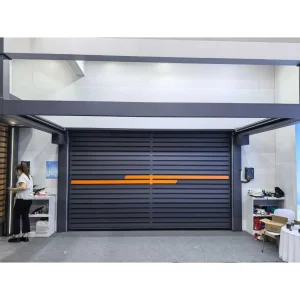
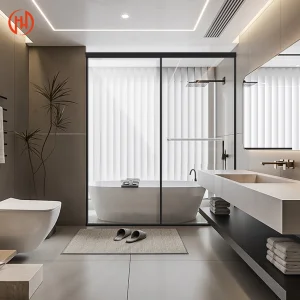
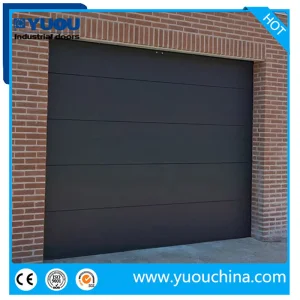
Specifically adapted for Colombo smart commercial properties and coastal villa automation architectures.
As Sri Lanka solidifies its role as a key maritime and logistics hub in South Asia, major commercial projects—including the Colombo Port City, the expansion of the Hambantota Free Trade Zones (FTZ), and industrial parks in Katunayake and Biyagama—demand high-performance entry solutions. Modern supply chains require rapid material movement, strict temperature control, and high-security protocols. Traditional manually operated shutter gates no longer meet the efficiency standards of global logistics players operating within Sri Lankan ports.
Smart door automation integrates advanced German-engineered micro-controllers, multi-frequency radar systems, and IoT capabilities into everyday warehousing. In high-traffic environments like Colombo's container terminals and cold storage warehouses, automated sectional doors play an essential role. By minimizing open times and ensuring a tight seal, they prevent thermal loss, exclude tropical humidity, and protect sensitive agricultural exports, electronic components, and pharmaceuticals from external contamination.
Developing door systems for coastal environments in Galle, Colombo, and Trincomalee requires specialized engineering to combat salt spray, high humidity, and monsoon winds. Standard steel doors degrade rapidly under these conditions, leading to rust, track misalignment, and motor failure.
Our products utilize high-strength aluminum alloy and double-skinned hot-dip galvanized steel coated with PVDF fluorocarbon or marine-grade polyester powder. This ensures resistance to salt spray and high-UV exposure without degradation.
Monsoon winds require high wind-load ratings. Gerald Doors designs sectional and roller doors with integrated heavy-duty wind ribs that meet EN 12424 wind-load standards, protecting large openings in coastal facilities.
To reduce air-conditioning load in Sri Lanka's tropical climate, our doors feature double-layered insulated panels filled with high-density CFC-free polyurethane foam, ensuring a low thermal transmittance (U-value).
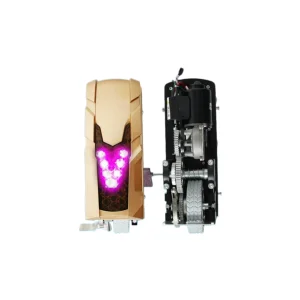
Advanced radar sensing, high-power motors, and anti-corrosive profiles tailored for logistics infrastructure.
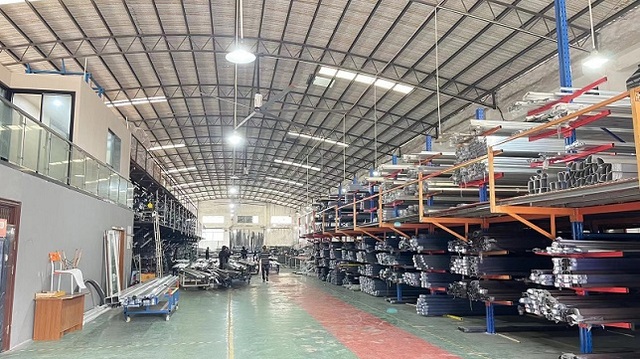
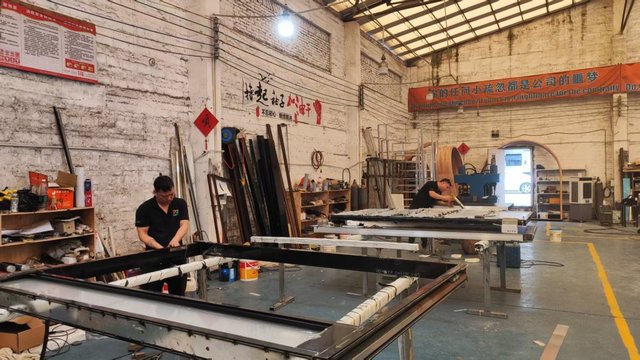
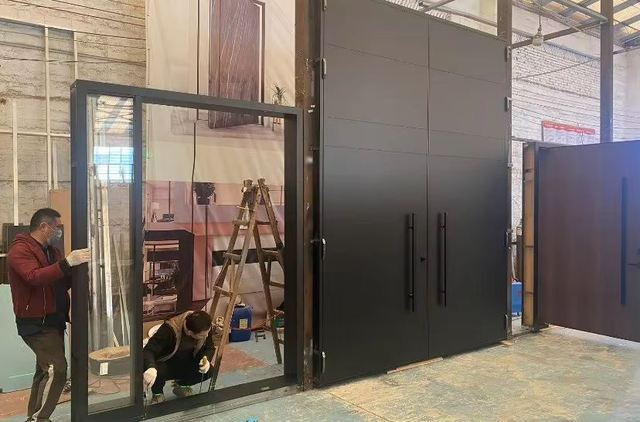
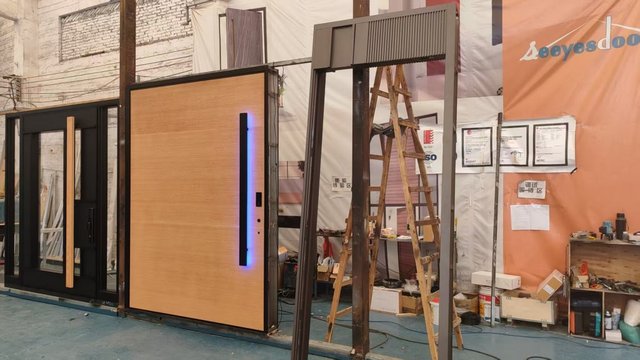
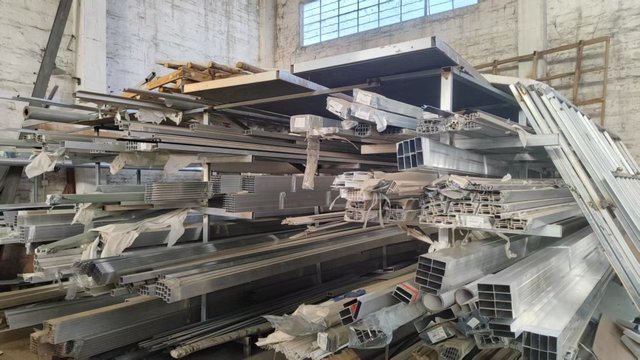
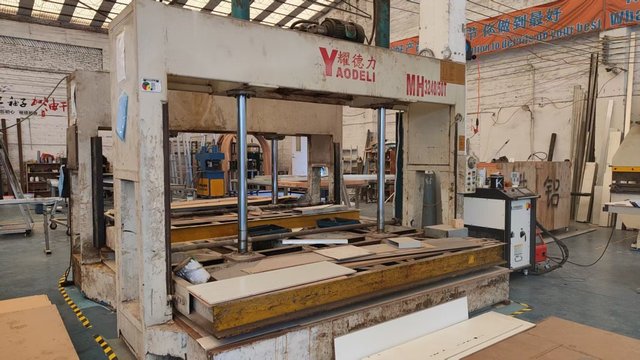
Dongguan Gerald Doors Co., Ltd. leverages the strength of China's advanced industrial manufacturing to deliver high-quality door automation systems. Our factory combines raw material supply chains, precision engineering, and automated production. This combination allows us to manufacture complex double-skin doors, rapid PVC roll-ups, and specialized high-torque motors at scale.
Our direct export solutions to Sri Lanka bypass intermediate distributors, ensuring cost-efficient procurement for large commercial and industrial projects. Every component—from heavy-gauge steel tracking to optical safety sensors—is engineered to meet international standards (including CE and ISO 9001:2015). We coordinate shipment logistics from major South China ports directly to the Port of Colombo, handling shipping details to ensure smooth customs clearance and on-time project execution.
From luxury residential developments to industrial logistics parks, our door automation meets diverse requirements across Sri Lanka.
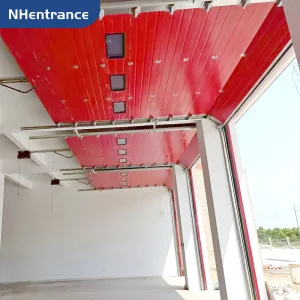
High-speed industrial sectional doors that optimize import-export workflows, control dust, and maintain interior environments for temperature-sensitive cargo.
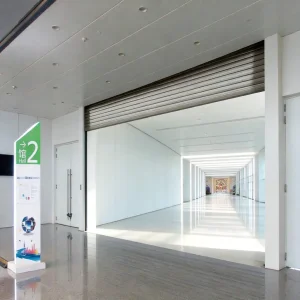
Biyagama and Katunayake high-precision pharmaceutical and electronics factories utilize cleanroom-compatible doors with integrated microwave radar sensors for touchless access.
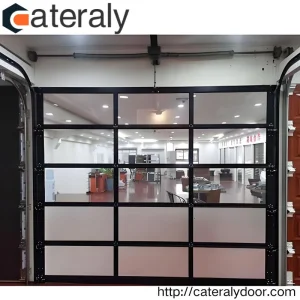
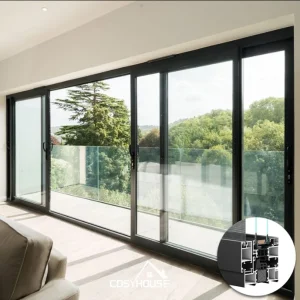
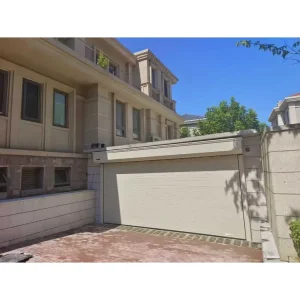
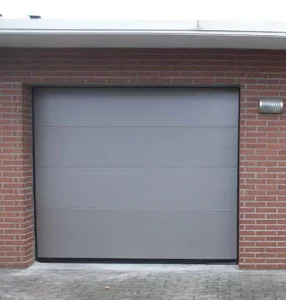
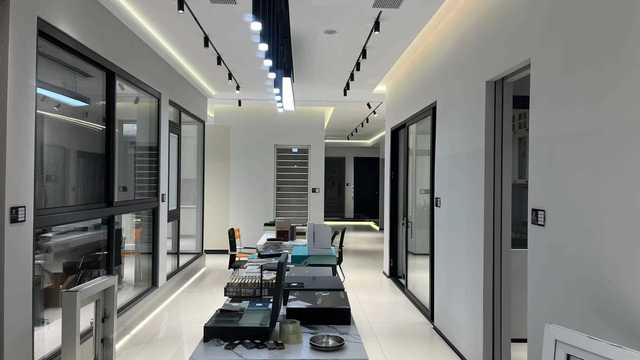
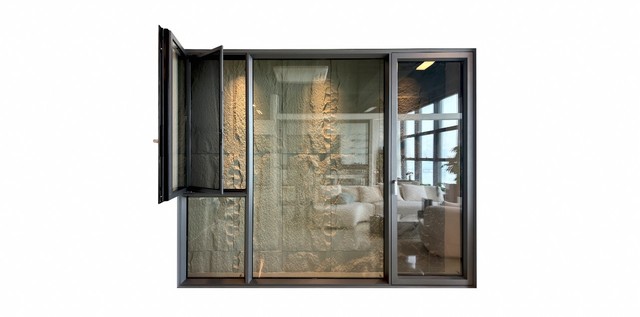
Anodized aluminum glass garage doors and minimal-profile sliding patio systems that complement modern architecture while providing wind-resistant barriers.
Dongguan Gerald Doors Co., Ltd. is a leading China garage door manufacturer specializing in residential, commercial, and industrial door solutions for customers worldwide. With a strong focus on quality, innovation, and reliability, Gerald Doors provides a comprehensive range of entrance and access systems designed to meet the needs of modern buildings, warehouses, logistics centers, factories, and residential properties.
Our product portfolio includes residential garage doors, commercial garage doors, industrial overhead doors, sectional doors, roller shutter doors, high-speed doors, fire-rated doors, security doors, and customized access solutions. Engineered with premium materials and advanced manufacturing technologies, our products are designed to deliver superior durability, safety, energy efficiency, and long-term performance in diverse operating environments.
At Gerald Doors, we understand that every project has unique requirements. Our experienced engineering and production teams work closely with customers to develop tailored solutions that match specific dimensions, operational needs, architectural styles, and performance standards. From design and manufacturing to quality control and delivery, we maintain strict production processes to ensure consistent product excellence.
Serving clients across North America, Europe, the Middle East, Southeast Asia, and other global markets, Gerald Doors has built a reputation for dependable products, responsive customer service, and competitive manufacturing capabilities. We continuously invest in research and development to improve product functionality, automation technologies, and smart access solutions that support the evolving demands of residential and industrial applications.
Driven by a commitment to quality and customer satisfaction, Dongguan Gerald Doors Co., Ltd. strives to be a trusted global partner for innovative, secure, and high-performance door systems.
Get expert answers to common technical, logistics, and installation questions regarding our smart automation systems.
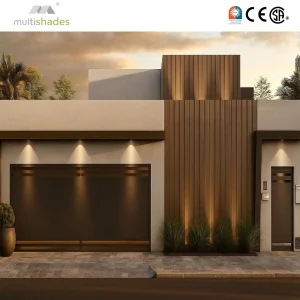
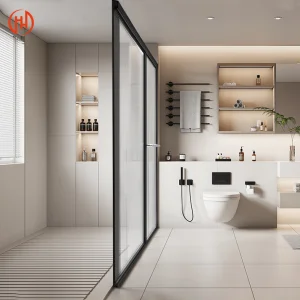
High-specification insulated sectional doors, minimalist framing, and automated interior barrier solutions.
 Gerald Doors