Engineered to streamline modern cargo movement. These priority material handling systems feature advanced structural reinforcements specifically customized for United States warehousing configurations.
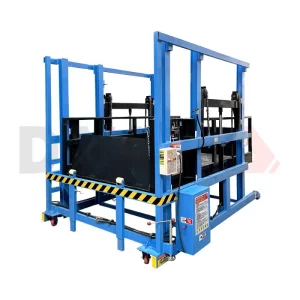
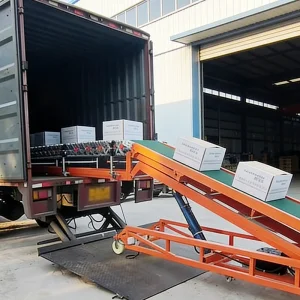
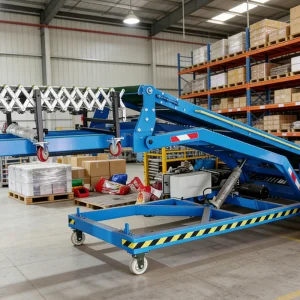
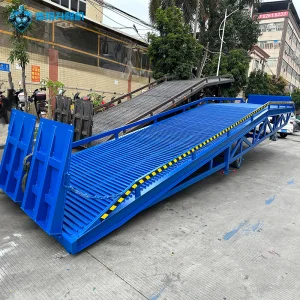
Understanding supply chain constraints, freight velocity requirements, and localized regulations in US commercial warehousing.
The United States warehousing and logistics sector is currently undergoing a massive transformation. Driven by the e-commerce boom—popularly called the "Amazon Effect"—and the rapid expansion of third-party logistics (3PL) providers, facility operators are dealing with unprecedented cargo throughput demands. Modern logistics sites must optimize every minute of dock operations to prevent supply chain bottlenecks at ports of entry, such as the Port of Los Angeles, Port of New York and New Jersey, and key inland hubs in the Midwest like Chicago and Dallas-Fort Worth.
In this high-pressure landscape, the loading dock is the single most critical touchpoint between long-haul road transportation and warehouse inventory. However, it is also one of the most hazardous zones. According to industry statistics and safety data from the Occupational Safety and Health Administration (OSHA), loading docks account for approximately 25% of all reported warehouse accidents. Major incidents stem from premature truck departures, trailer tip-overs, dock drop-offs, and mechanical failures of outdated manual dock levelers. As a result, the transition toward fully automated, hydraulic dock levelers and heavy-duty safety vehicle restraints is no longer just a luxury—it is an absolute necessity for liability mitigation and continuous uptime.
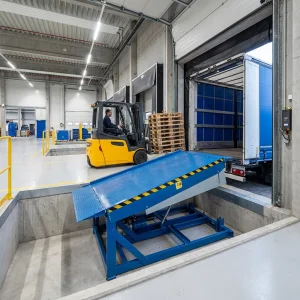
US distribution centers demand rapid trailer turnaround. Our hydraulic levelers feature 30-second cycles, minimizing staging times and boosting forklift operator efficiency.
Fully compliant with US OSHA 1910.30 standards and ANSI/MHI MH30.1 testing guidelines for capacity ratings, ensuring absolute safety for cross-docking operations.
Ready to integrate into modern Warehouse Management Systems (WMS) to track dock occupancy, equipment cycle counts, and predictive maintenance schedules.
The empirical data supporting dock modernization and structural reinforcement across the United States supply chain network.
Integrating state-of-the-art industrial overhead doors with high-capacity hydraulic dock levelers for unified entrance control.
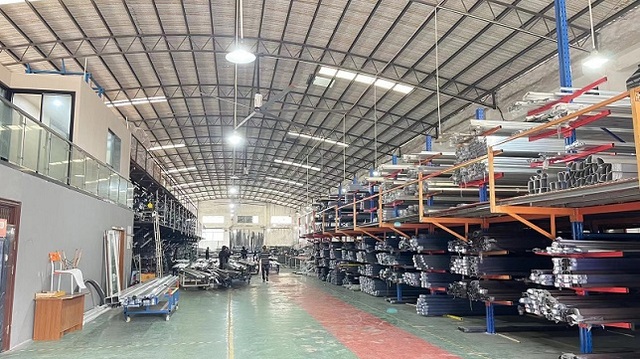
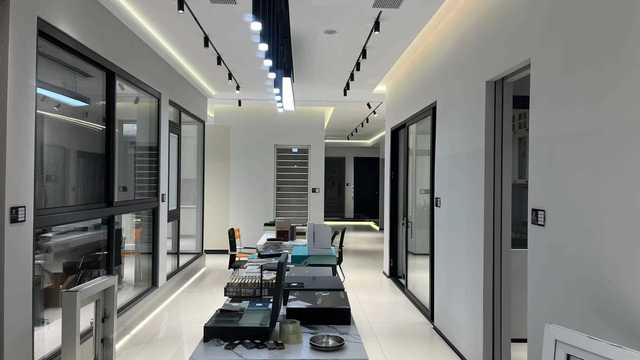
Dongguan Gerald Doors Co., Ltd. is a leading China garage door manufacturer specializing in residential, commercial, and industrial door solutions for customers worldwide. With a strong focus on quality, innovation, and reliability, Gerald Doors provides a comprehensive range of entrance and access systems designed to meet the needs of modern buildings, warehouses, logistics centers, factories, and residential properties.
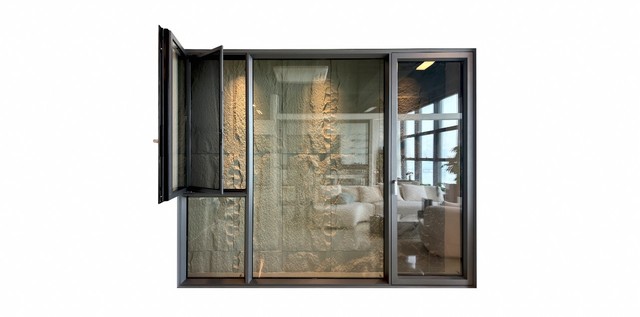
Our product portfolio includes residential garage doors, commercial garage doors, industrial overhead doors, sectional doors, roller shutter doors, high-speed doors, fire-rated doors, security doors, and customized access solutions. Engineered with premium materials and advanced manufacturing technologies, our products are designed to deliver superior durability, safety, energy efficiency, and long-term performance in diverse operating environments.
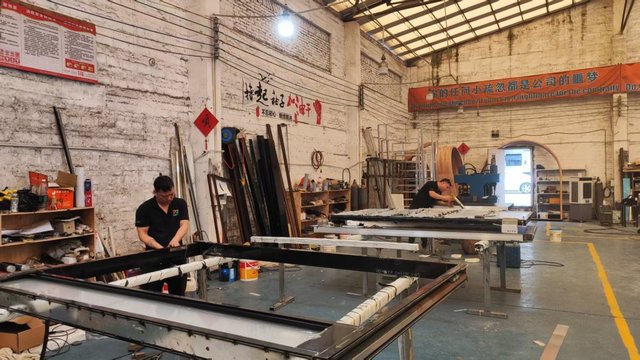
At Gerald Doors, we understand that every project has unique requirements. Our experienced engineering and production teams work closely with customers to develop tailored solutions that match specific dimensions, operational needs, architectural styles, and performance standards. From design and manufacturing to quality control and delivery, we maintain strict production processes to ensure consistent product excellence.
Serving clients across North America, Europe, the Middle East, Southeast Asia, and other global markets, Gerald Doors has built a reputation for dependable products, responsive customer service, and competitive manufacturing capabilities. We continuously invest in research and development to improve product functionality, automation technologies, and smart access solutions that support the evolving demands of residential and industrial applications.
Driven by a commitment to quality and customer satisfaction, Dongguan Gerald Doors Co., Ltd. strives to be a trusted global partner for innovative, secure, and high-performance door systems.
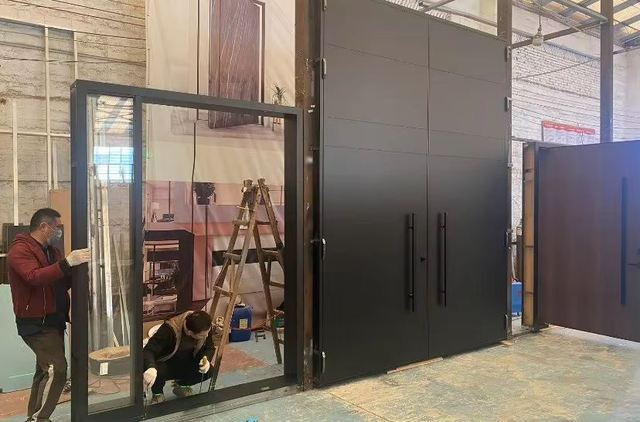
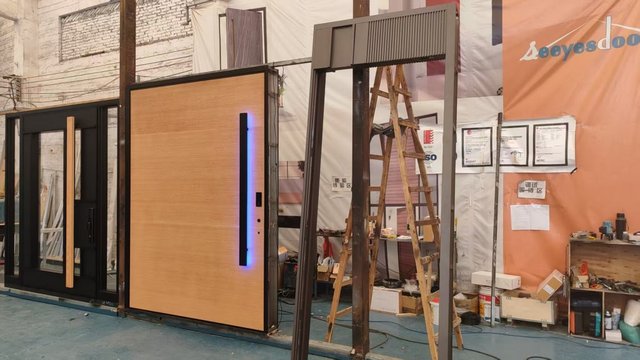
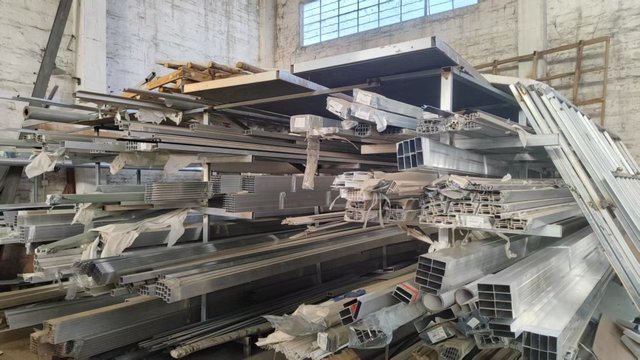
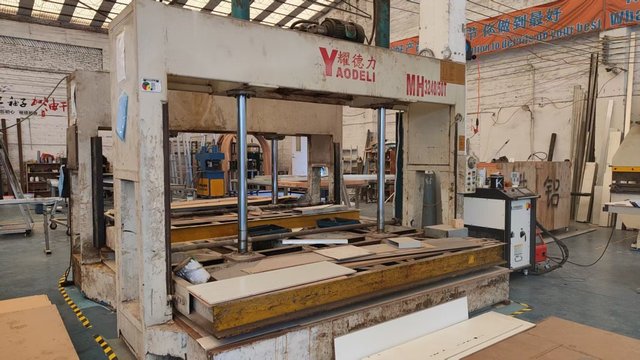
Designed for commercial establishments, hotels, and custom automated logistics applications requiring variable dock profiles.
A deep dive into cross-border sourcing, TCO reduction, and building structures compliant with local regulations.
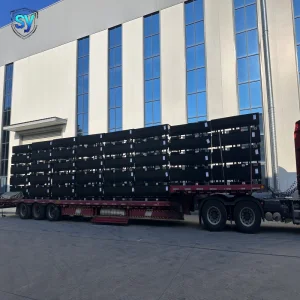
For US facility developers, industrial contractors, and procurement managers, selecting loading dock components involves a detailed balancing act between high-durability specifications and budget caps. Sourcing directly from top-tier Chinese factories allows project managers to leverage state-of-the-art structural robotic welding, scale economies, and premium materials while enjoying a much lower cost base than domestic manufacturers. Working with experienced exporters ensures that standard containers are packed to prevent deformation during sea shipping, custom documents are prepared to minimize port clearance delays in the US, and technical manuals are written in native English to simplify construction tasks.
In heavy-duty industrial environments, the cheapest option upfront often leads to the highest cost over time due to repairs and maintenance down the road. High-frequency operations quickly wear down thin deck plates, leading to structural sagging or "dished" lips. Gerald Doors addresses this problem by using top-grade ASTM A36 high-tensile steel plates reinforced with structural I-beams. This heavy-duty design prevents structural sagging, reduces structural stress, and lowers the risk of dock lockouts, ensuring your operations keep running smoothly and cost-effectively for years to come.
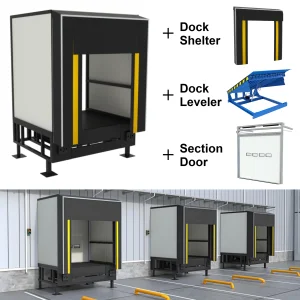
A high-performance loading dock is a system of integrated parts. To ensure smooth operation and prevent issues like thermal bridging, modern layouts combine several components: a hydraulic pit-style leveler, a heavy-duty sectional dock door with structural tracks, and a surrounding compression foam dock seal. Together, these parts seal the building's envelope, preventing drafts and maintaining a clean, energy-efficient workspace inside. By sourcing levelers, high-speed doors, and overhead systems from a single provider, you ensure all components align perfectly. This reduces the risk of alignment issues, speeds up project completion, and simplifies communication with a single technical point of contact.
Our engineers will design customized pit drawings to align with your building's concrete specifications, complying fully with all regional construction codes across North America.
Contact Engineering DepartmentThe next generation of dock intelligence, energy efficiency, and safety systems for Class-A industrial logistics centers.
Real-time pressure sensors monitor fluid levels and detect cylinder leaks, alerting maintenance teams to fix potential issues before they cause costly downtime.
Next-gen inflatable dock seals create an airtight seal around incoming trailers, preventing energy loss and maintaining stable temperatures for cold storage facilities.
Our programmable logic controller (PLC) systems sync dock doors, levelers, and safety truck restraints. The dock door won't open until the trailer is locked, and the leveler won't deploy until the door is fully raised.
Detailed answers to structural, chemical, mechanical, and logistical questions frequently asked by engineering firms.
Static capacity refers to the weight a dock leveler can support when it is parked and flat, with no vehicles moving across it. Dynamic capacity, on the other hand, accounts for the sudden stresses caused by a heavy forklift carrying cargo driving onto the leveler deck. ANSI/MHI MH30.1 standards recommend a safety factor of at least 2.5:1. For example, if you use a 10,000 lbs forklift, you will need a dynamic capacity rating of at least 25,000 to 30,000 lbs to safely absorb these moving loads over the equipment's lifespan.
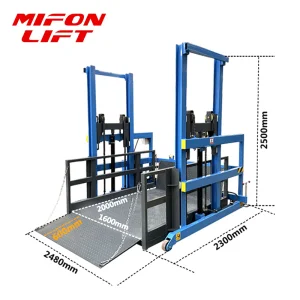
Cold storage warehouses require strict temperature control to prevent condensation and keep cooling costs down. Standard pit-style levelers can create a "thermal bridge," allowing hot air from the outside to seep into the refrigerated space. To solve this, developers use vertical-storing dock levelers, which park upright inside the warehouse when not in use. This design allows the overhead sectional door to close completely flush with the warehouse floor, sealing out external air and keeping the indoor climate stable.
OSHA regulation 29 CFR 1910.26 requires that trailers remain securely parked during loading and unloading. This is done using wheel chocks or automatic vehicle restraints that lock onto the trailer's Rear Impact Guard (RIG). For maximum safety, these restraints can be linked to indoor and outdoor LED stop-and-go lights, giving truck drivers and forklift operators clear visual cues when it is safe to move.
For Northern states like Illinois, Minnesota, and New York, where winter temperatures drop below freezing, standard hydraulic oils can thicken, making the leveler respond slowly or fail. We recommend using multi-grade, low-temperature anti-wear hydraulic fluids (like ISO VG 15 or 22 with low pour points down to -40°F). This ensures smooth, reliable valve operation and quick lifting times, even in freezing weather.
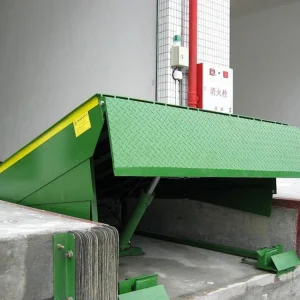
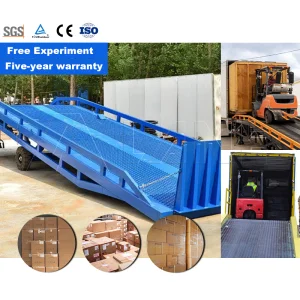
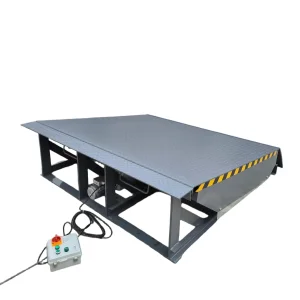
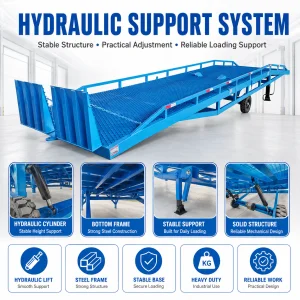
Industrial-grade hydraulic levelers, pit installations, and mobile container ramps engineered for heavy-duty warehousing applications.
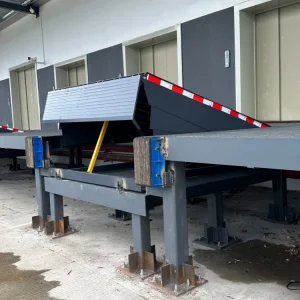
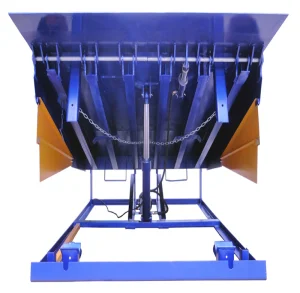
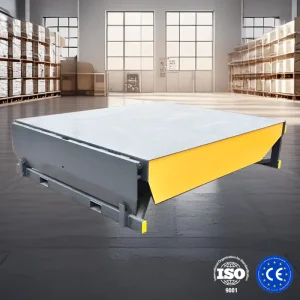
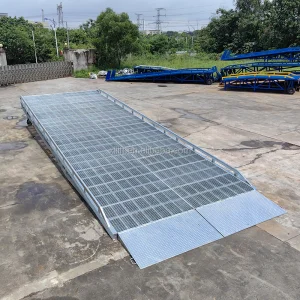
Whether building a new fulfillment center or upgrading an existing commercial facility, our engineering team provides complete support—from drawing layouts to direct container shipping and customs clearance.
Send Inquiry Now Gerald Doors