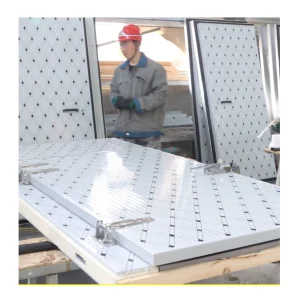
Explore the engineering designs and specialized access systems manufactured to optimize operational throughput, thermal insulation, and physical security parameters.
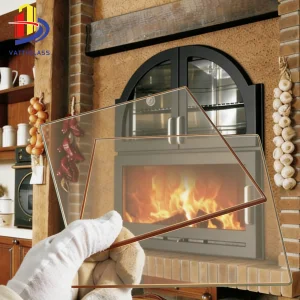
Analyzing structural architectural changes, supply chain demands, and localized engineering specifications shaping the international access systems market.
In modern industrial and commercial design, the entry system is no longer simply a point of access. It is a critical component of building envelopes, affecting energy efficiency, logistical efficiency, safety, and operational resilience. Global distribution centers, cold chain facilities, high-tech factories, and aviation hangars depend on high-performance closures to keep operations running smoothly under tough environmental conditions.
As smart cities and automated logistics hubs grow globally, developers face tougher regulatory and structural performance standards. In regions prone to severe weather, like the coastal parts of North America and Southeast Asia, steel doors must withstand high windloads and prevent water ingress. In industrial settings, fire protection and sound insulation are critical for safety and keeping workspaces functional. At the same time, cold chain logistics depend on doors with high thermal isolation values to keep temperature-controlled supply chains intact and reduce energy consumption.
China's steel door manufacturing sector has evolved to meet these demands by adopting advanced production techniques. Using automated CNC roll-forming, laser-cutting, structural polyurethane injection, and advanced surface coating, Chinese manufacturers provide architectural solutions that match or exceed Western performance standards at competitive price points. Dongguan Gerald Doors Co., Ltd. represents this shift, supplying highly specialized commercial, residential, and industrial solutions designed to perform under strict operating conditions worldwide.
Engineered to withstand high wind pressures in coastal regions and typhoons. Tested to meet ASTM and EN structural standards for high-span gates and hangars.
Features structural insulation, fire-resistant minerals, and thermal breaks that prevent energy loss and meet EN-standard 1-hour and 2-hour fire exposure tests.
Equipped with cycle-tested torsion springs, heavy-duty guide rails, and VFD controllers designed for over 100,000 continuous operating cycles.
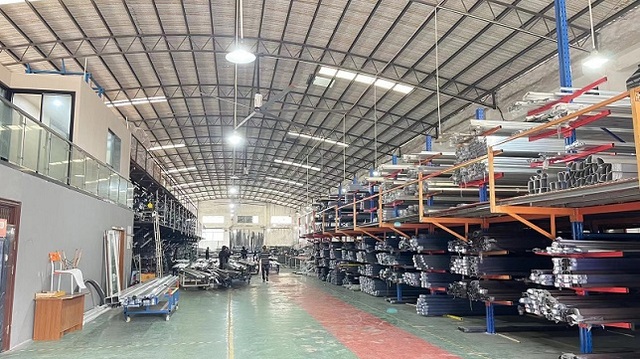
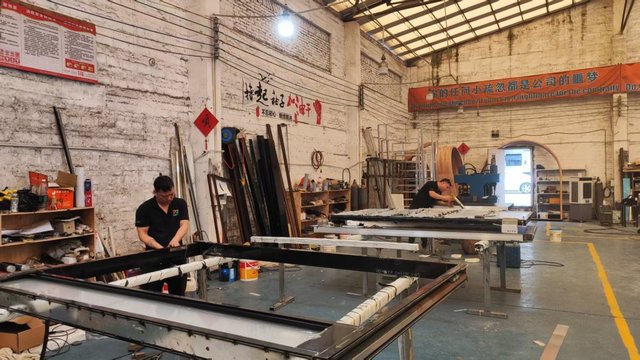
A look at the manufacturing infrastructure, quality control systems, and custom engineering capabilities that support our global distribution network.
Dongguan Gerald Doors Co., Ltd. is a leading China garage door manufacturer specializing in residential, commercial, and industrial door solutions for customers worldwide. With a strong focus on quality, innovation, and reliability, Gerald Doors provides a comprehensive range of entrance and access systems designed to meet the needs of modern buildings, warehouses, logistics centers, factories, and residential properties.
Our product portfolio includes residential garage doors, commercial garage doors, industrial overhead doors, sectional doors, roller shutter doors, high-speed doors, fire-rated doors, security doors, and customized access solutions. Engineered with premium materials and advanced manufacturing technologies, our products are designed to deliver superior durability, safety, energy efficiency, and long-term performance in diverse operating environments.
At Gerald Doors, we understand that every project has unique requirements. Our experienced engineering and production teams work closely with customers to develop tailored solutions that match specific dimensions, operational needs, architectural styles, and performance standards. From design and manufacturing to quality control and delivery, we maintain strict production processes to ensure consistent product excellence.
Serving clients across North America, Europe, the Middle East, Southeast Asia, and other global markets, Gerald Doors has built a reputation for dependable products, responsive customer service, and competitive manufacturing capabilities. We continuously invest in research and development to improve product functionality, automation technologies, and smart access solutions that support the evolving demands of residential and industrial applications.
Driven by a commitment to quality and customer satisfaction, Dongguan Gerald Doors Co., Ltd. strives to be a trusted global partner for innovative, secure, and high-performance door systems.
An examination of the materials science, mechanical design, and thermal performance calculations behind industrial steel doors.
To understand the performance differences of Chinese-manufactured steel doors, we need to look at the engineering details. These specifications show how the doors maintain structural integrity, contain fire hazards, and prevent thermal transfer.
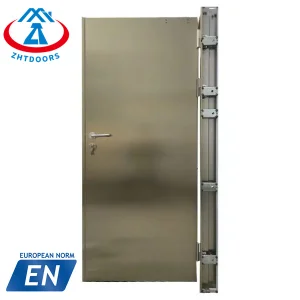
Fire-rated doors are critical for compartmentalizing industrial facilities to prevent fire spread and protect evacuation routes. High-hardness EN-standard fire doors from Gerald Doors are built with high-density rock wool or custom-formulated silicate cores, wrapped in double-sided galvanized steel sheets. When exposed to heat, the doors use intumescent seals that expand to seal the gap between the door leaf and frame, blocking fire, hot gases, and smoke. Testing to EN 1634-1 and BS 476 protocols ensures these systems can withstand structural stresses and thermal gradients for up to 120 minutes.
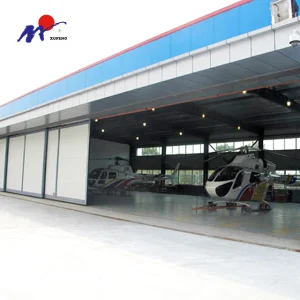
Large openings, such as aircraft hangars and warehouse loading bays, require doors that can withstand high wind pressures. Structural calculations focus on panel flex and guide rail security. Using high-tensile aluminum alloys and structural steel, doors like the Automatic Aircraft Sliding Hangar Door use double-walled panels reinforced with internal struts. Windlock guide tracks and reinforced rollers prevent the door panels from pulling out of their tracks during high winds, ensuring safe operation and weather protection in coastal regions.
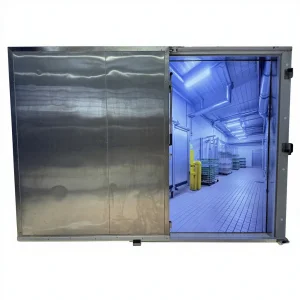
In cold storage facilities, maintaining the temperature boundary is critical for product quality and energy efficiency. Standard door designs can suffer from thermal bridging, where heat travels through the metal frame, leading to condensation, frost buildup, and energy loss. To prevent this, specialized cold room doors use non-conductive thermal break profiles, magnetic perimeter gaskets, and high-density polyurethane cores (typically 42 kg/m³). This design keeps thermal transmittance low, preventing condensation and reducing refrigeration system workload.
How specialized entry systems are customized and deployed across different industries, from smart warehouses to high-end residential garages.
Industrial access systems must be tailored to their specific applications. Each industry presents unique challenges, from the high duty cycles of logistics centers to the security requirements of residential villas.
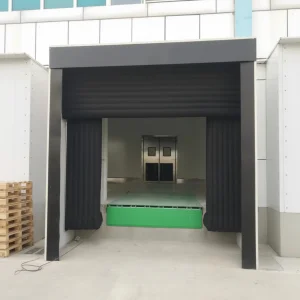
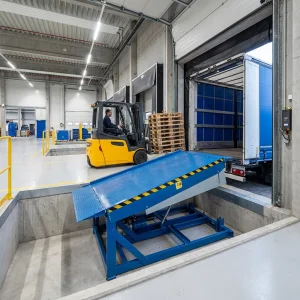
Modern distribution hubs operate continuously, requiring heavy-duty, fast-acting entry systems. Standard doors are too slow and wear out quickly under these conditions. The combination of Pit-Type Hydraulic Dock Levelers, inflatable dock seals, and Advanced High-Speed Industrial Doors creates a sealed, efficient loading bay system. The door control system uses radar, photoelectric sensors, and induction loops to open and close automatically as forklifts approach, minimizing open time, maintaining indoor temperatures, and preventing dust and pests from entering.
Aviation hangars and heavy assembly halls require massive doors that remain easy to operate. Using traditional overhead doors is often impractical due to structural span limits and weight. Automatic Sliding Hangar Doors solve this with bottom-rolling, multi-track systems that distribute the door's weight across the ground foundation rather than the building header. Integrated safety sensors, optical warners, and automated safety stops ensure safe movement for large aircraft and machinery.
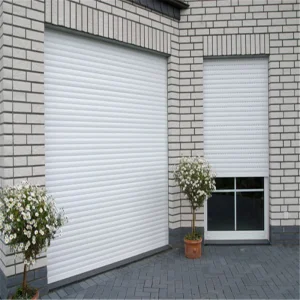
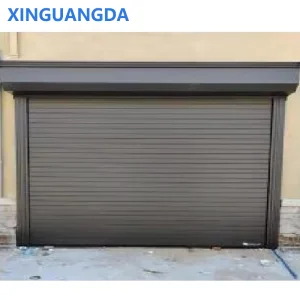
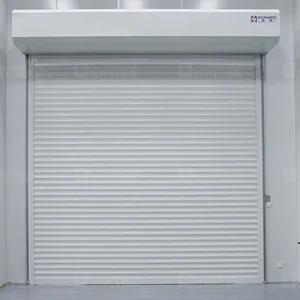
Residential garage doors need to combine aesthetics with high-performance security, wind resistance, and low noise. Villa Aluminum Alloy Roller Shutter Doors use polyurethane-filled slats to provide insulation and quiet operation. Side-running tracks with brush seals block drafts and dirt. Integrated anti-lift devices, automatic obstacle sensors, and smart app integration make these systems reliable and easy to use for modern homes.
The convergence of physical access barriers with IoT networks, cloud control systems, and automated security protocols.
The industrial door industry is shifting toward smart, connected systems. Modern entry systems are increasingly integrated into building management networks (BMS) and cloud platforms to improve security and operational efficiency.
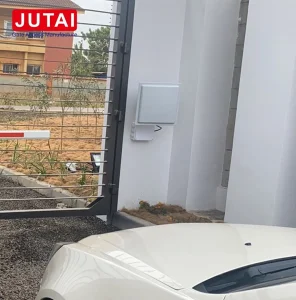
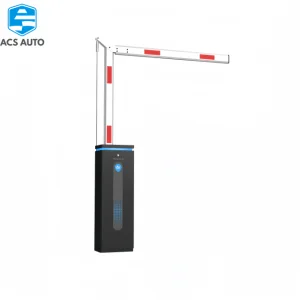
This integration begins with automated identification systems, like the ACS Auto RFID Integrated Boom Gate System. Instead of manual keycards or remote controls, vehicles are identified via long-range RFID readers or license plate recognition (LPR) cameras. This data is processed in the cloud, allowing facility managers to track vehicle movements, manage permissions, and monitor system performance in real-time across multiple locations.
Furthermore, sensor integration improves safety on the shop floor. Modern high-speed doors use laser scanners, light curtains, and wireless safety edges to detect obstacles instantly. This allows high-speed doors to close quickly to save energy while keeping personnel and vehicles safe.
Detailed answers to key engineering, compliance, and installation questions asked by project engineers and architects.
To meet international standards, manufacturers use certified materials and structural testing. Our fire-rated steel doors are built using double-sided galvanized steel skins and mineral wool cores (density >= 100 kg/m³). We use intumescent seals that expand at high temperatures to block smoke and heat. These configurations are tested under standard temperature-time curves to verify their fire resistance rating.
We use Finite Element Analysis (FEA) to simulate wind pressure on the door panels and support structure. For large hangar doors, we use double-walled aluminum or steel profiles with internal truss reinforcement. Windlocks in the guide rails help transfer horizontal wind loads to the building's structural frame, preventing panel pull-out under high wind conditions.
Thermal break technology uses a low-conductivity material, like polyamide or polyurethane, to separate the inner and outer metal skins of the door. This breaks the thermal bridge, preventing heat transfer. Combined with magnetic perimeter seals and optional sill heating, this keeps the outer skin above the dew point, preventing condensation and ice formation.
For safe operation, we recommend a combination of photoelectric sensors to detect vehicle presence, hydraulic pressure sensors to monitor load status, and electronic interlocks that prevent the door from opening until the dock leveler is securely in place.
Although high-speed doors have a higher initial cost, their fast operation and durable components reduce energy loss, minimize door damage from collisions, and lower maintenance costs. This leads to a lower total cost of ownership in high-traffic logistics environments.
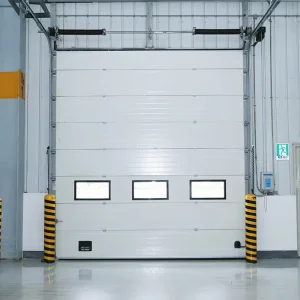
Explore our second selection of technical access solutions, including insulated overhead panels, high-performance cold storage barriers, and automated boom gates.
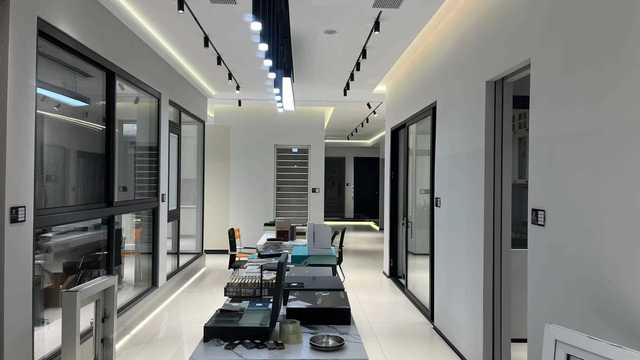
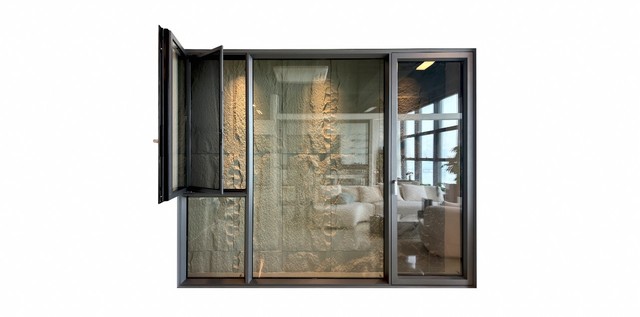
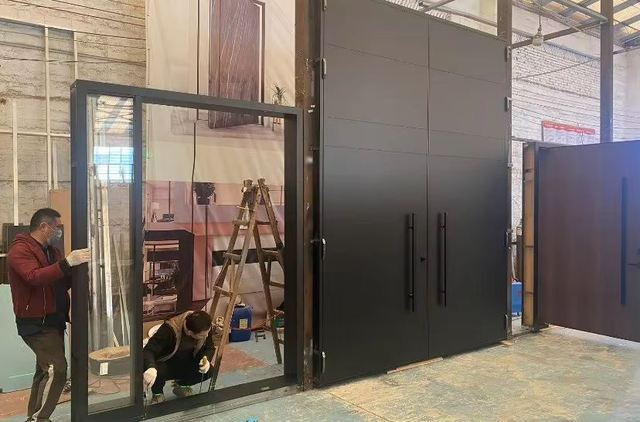
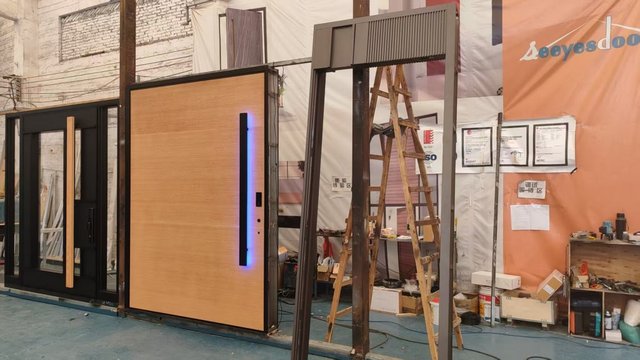
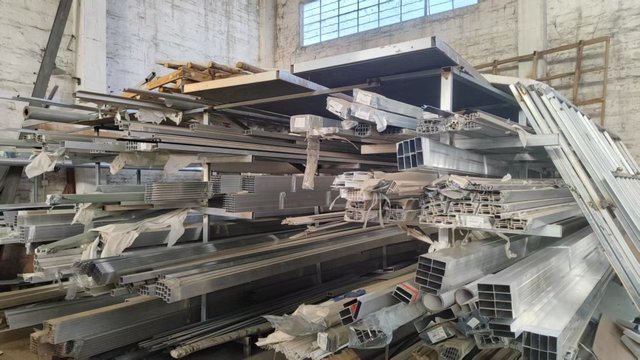
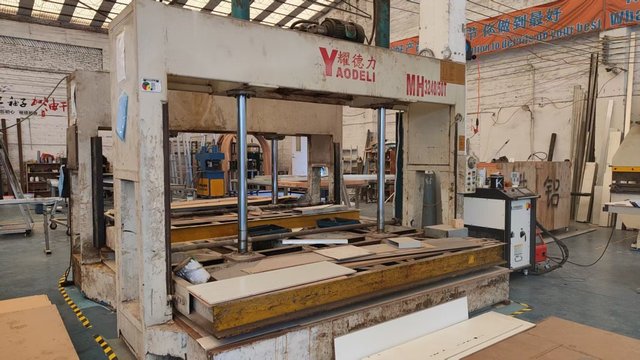
A gallery of the manufacturing facilities and processes at Dongguan Gerald Doors Co., Ltd., demonstrating our commitment to quality standards and production capacity.
 Gerald Doors