Explore our leading array of commercial, residential, and industrial access systems engineered for high performance, thermal insulation, and strict safety specifications.
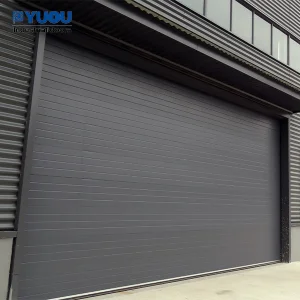
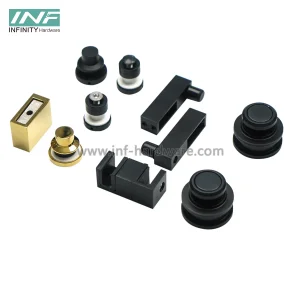
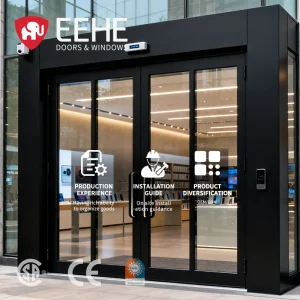
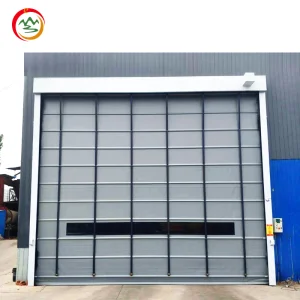
In high-density industrial corridors, modern logistics hubs, and sophisticated commercial infrastructures, passive fire protection (PFP) is no longer a secondary structural consideration—it is a critical pillar of human safety and liability management. Fire protection door systems act as dynamic barriers designed to compartmentalize intense thermal loads, toxic gasses, and pressure differentials during a catastrophic combustion event. The integrity of these systems relies heavily on the integration of materials, precise manufacturing tolerances, and standardized hardware engineering.
A true fire-rated barrier system is defined by its ability to maintain structural integrity under temperatures exceeding 1,000°C (1,832°F) as defined by standard heating curves like the ASTM E119 or ISO 834. Selecting the correct manufacturer requires deep technical knowledge of critical components, including intumescent graphite core seals that expand up to 30 times their volume to block hot gasses, mineral fiberboard insulation cores with low thermal conductivity, and heavy-gauge galvanized steel frame profiles engineered to prevent buckling under severe heat stress.
For international procurement directors, cross-border compliance represents the single greatest barrier to entry. Different regions rely on distinct regulatory standards. Sourcing fire-rated doors without verifying these localized credentials can lead to structural failures, delayed inspections, and major financial losses.
| Region | Primary Standards | Testing Authority / Methods | Key Requirements |
|---|---|---|---|
| North America | UL 10B, UL 10C, NFPA 252, ASTM E2074 | Underwriters Laboratories (UL), Intertek (Warnock Hersey) | Positive pressure testing, hose stream resistance tests |
| Europe | EN 1634-1, EN 13501-2, BS EN 1634 | CE Marking body testing (Exova, Warringtonfire) | Classifications: E (Integrity), EW (Radiation Control), EI (Insulation) |
| United Kingdom | BS 476 Part 22 | UKAS Accredited Laboratories | Stability and integrity measurements over fixed time durations (FD30 to FD120) |
| Asia Pacific | GB 12955-2008, AS 1905.1 | National Center for Quality Supervision (China), Standards Australia | Class A/B/C insulation, fire integrity, mechanical load tests |
Choosing a reliable supplier involves more than comparing unit costs. Sophisticated projects demand industrial-scale manufacturing capability, engineering support, and audited quality control systems. Our analytical evaluation framework examines the top global manufacturers based on testing certifications, material quality, and custom design flexibility.
The global leader in access control, offering specialized steel and timber fire doors certified to European EN and American UL standards. Excellent integration with modern digital locks and access security networks.
Renowned for cold-rolled steel and stainless steel industrial door systems. Their automated fire-rated sectional doors feature advanced thermal breaks and multi-point sealing mechanisms.
An innovative leader in high-performance access systems. Gerald Doors integrates advanced production technologies with custom sizing and automation features, serving markets in North America, Europe, the Middle East, and Southeast Asia.
A leading manufacturer of architectural wood doors. VT Industries specializes in high-aesthetic interior wood veneer fire doors for hospitality and high-end residential towers, achieving ratings up to 90 minutes.
Specializes in emergency exit and automatic panic door systems. Dormakaba excels at combining mechanical integrity with electromechanical hardware interfaces for smart building integration.
An Assa Abloy group brand focused on commercial hollow metal doors. They offer robust structural configurations and design options for heavy industrial plants and government buildings.
The remaining top positions are held by regional powerhouses like **Teckentrup (Germany)**, **Raynor Garage Doors (USA)**, **Sanwa Holdings (Japan)**, and **Overhead Door Corporation (USA)**. These companies shape industry standards with their continuous testing programs, material upgrades, and advanced automation platforms.
Dongguan Gerald Doors Co., Ltd. is a leading China garage door manufacturer specializing in residential, commercial, and industrial door solutions for customers worldwide. With a strong focus on quality, innovation, and reliability, Gerald Doors provides a comprehensive range of entrance and access systems designed to meet the needs of modern buildings, warehouses, logistics centers, factories, and residential properties.
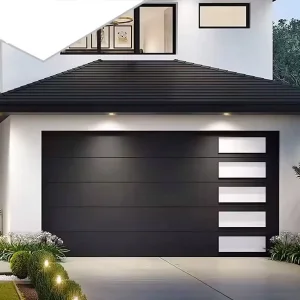
Our product portfolio includes residential garage doors, commercial garage doors, industrial overhead doors, sectional doors, roller shutter doors, high-speed doors, fire-rated doors, security doors, and customized access solutions. Engineered with premium materials and advanced manufacturing technologies, our products are designed to deliver superior durability, safety, energy efficiency, and long-term performance in diverse operating environments.
At Gerald Doors, we understand that every project has unique requirements. Our experienced engineering and production teams work closely with customers to develop tailored solutions that match specific dimensions, operational needs, architectural styles, and performance standards. From design and manufacturing to quality control and delivery, we maintain strict production processes to ensure consistent product excellence.
Serving clients across North America, Europe, the Middle East, Southeast Asia, and other global markets, Gerald Doors has built a reputation for dependable products, responsive customer service, and competitive manufacturing capabilities. We continuously invest in research and development to improve product functionality, automation technologies, and smart access solutions that support the evolving demands of residential and industrial applications.
Driven by a commitment to quality and customer satisfaction, Dongguan Gerald Doors Co., Ltd. strives to be a trusted global partner for innovative, secure, and high-performance door systems.
Gerald Doors uses continuous automated production lines and digital profiling systems to manufacture high-precision components. The images below highlight our manufacturing plant and custom-engineered installations delivered worldwide.
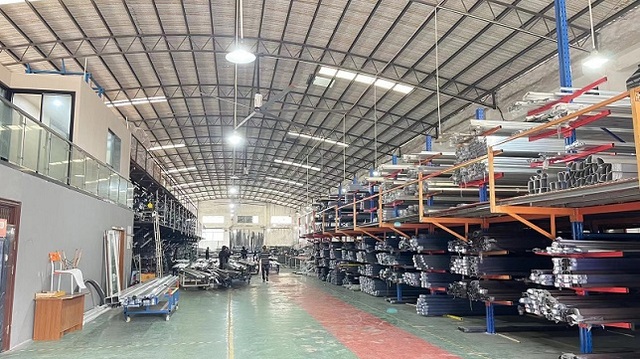
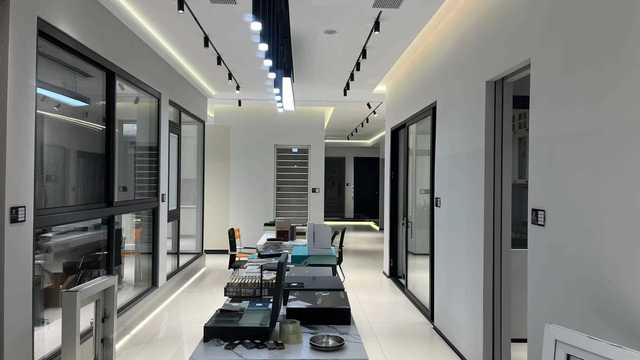
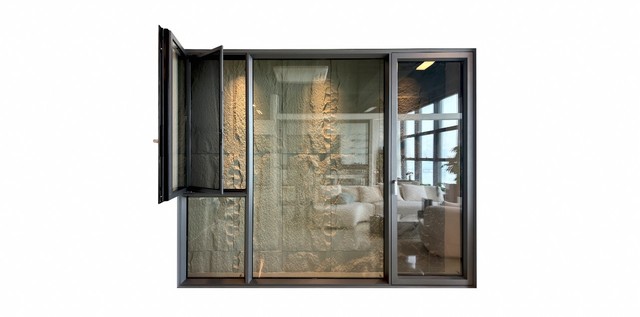
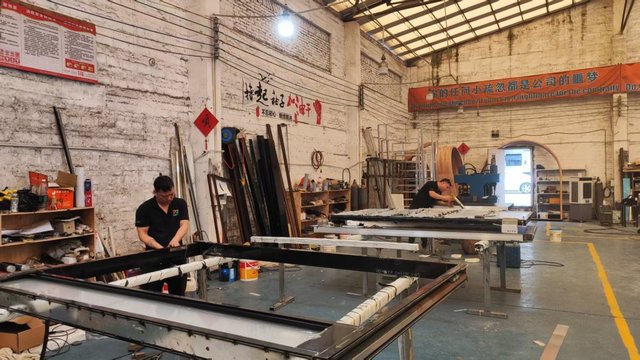
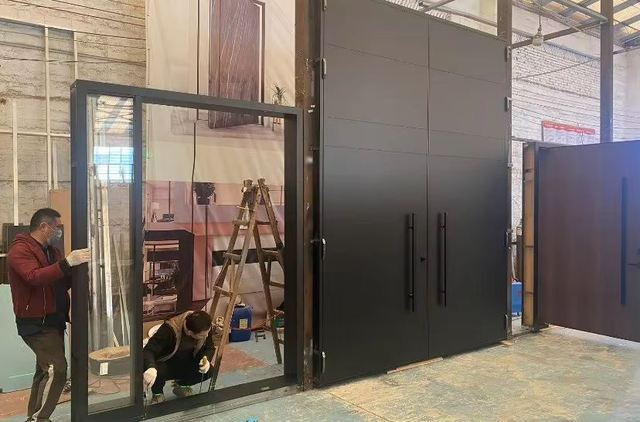
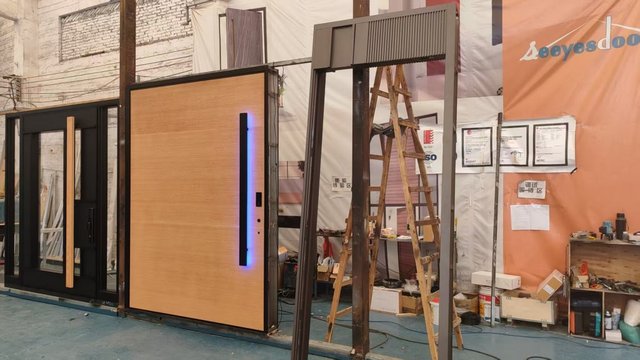
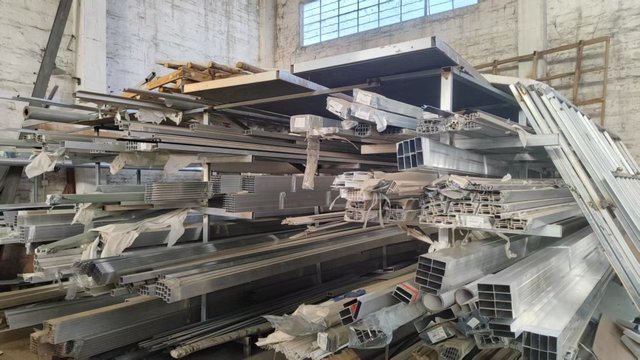
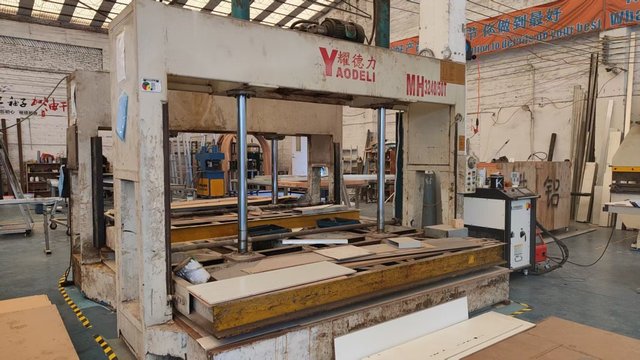
The manufacturing of fire protection door systems has evolved from traditional metalwork to smart, automated Factory 4.0 environments. Leading Chinese factories have invested heavily in automated machinery to achieve micro-level precision, which is essential for ensuring consistent fire resistance. If a door panel is misaligned by even 1.5mm, it can cause structural buckling under high heat, leading to premature barrier failure.
Chinese manufacturers offer clear advantages to global sourcing managers through integrated manufacturing and deep material supply chains:
This streamlined supply chain enables Chinese factories to deliver high-quality, fully certified fire and industrial doors at competitive price points, helping developers manage costs on large-scale projects.
Procuring fire-rated door systems for international projects requires careful planning. Sourcing directors should prioritize the following verification steps to reduce risk and ensure project compliance:
Always request the original testing laboratory reports and their associated reference numbers. Cross-reference these numbers directly on the public directories of certification bodies like UL Product iQ or the Intertek Directory of Building Products. Ensure the certified design details match the door dimensions required for your project.
A fire door is only as reliable as its hardware. Specify the brand and rating of hinges, closures, panic bars, and magnetic holders. Standard hardware cannot withstand the thermal loads of a fire door; only UL/EN listed components should be used.
Industrial doors are large, heavy, and susceptible to physical damage during transit. Any dent or twist in a fire door frame can compromise its safety rating. Ensure your supplier uses reinforced, moisture-resistant packaging and coordinates secure container loading.
Fire and industrial doors are tailored to meet the specific requirements of different installation environments:
Modern distribution centers require both speed and thermal efficiency. High-speed rolling shutter doors and insulated sectional overhead doors help maintain internal temperatures and control dust. In the event of a fire, automated systems close these barriers to isolate the affected zone.
Cleanroom environments need doors that minimize air loss and prevent contamination. Flush-fitting stainless steel sliding doors with non-porous surfaces and airtight gaskets are essential for maintaining cleanroom pressure differentials.
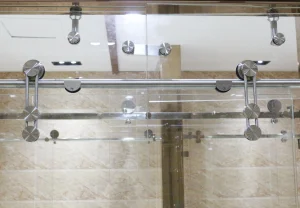
Retail and hospitality venues require high visibility along with reliable security. Heavy-duty aluminum storefront doors and frameless glass sliding systems provide clear sightlines while integrating with building safety systems for emergency exits.
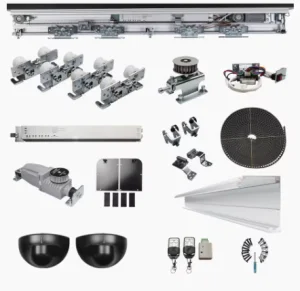
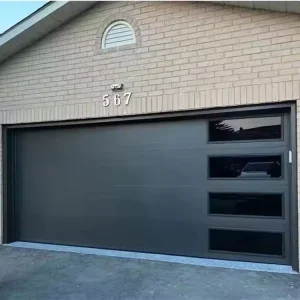
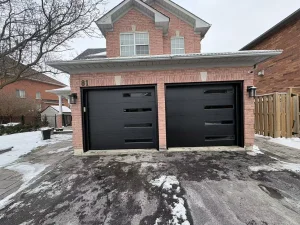
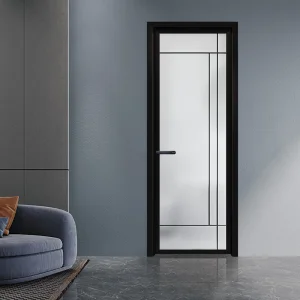
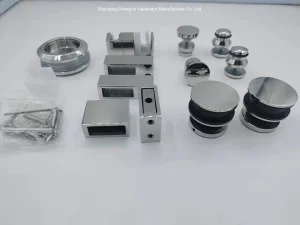
Review our selection of residential and industrial automation components, high-insulation garage doors, and custom hardware accessories.
 Gerald Doors