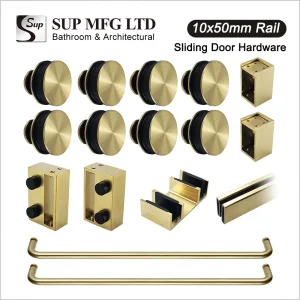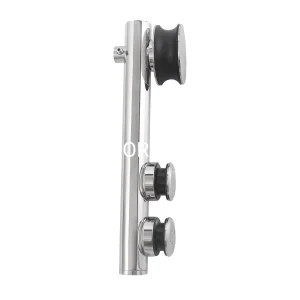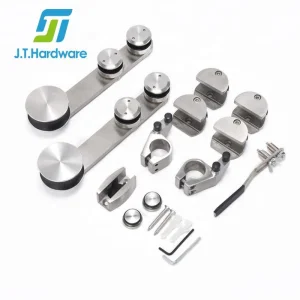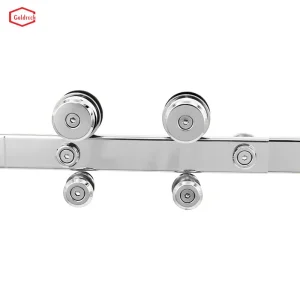
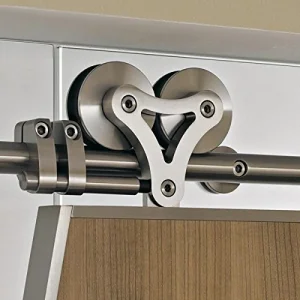
As a central logistics hub for the European Union, the Belgian market demands high-performance entry solutions. Driven by rapid expansion in cold-chain logistics, pharmaceutical hubs near Brussels, and automated distribution centers near Antwerp, the requirement for robust steel door systems has reached unprecedented heights. Industry operators prioritize energy efficiency, rigorous safety controls, and structural durability that comply with stringent European directives (e.g., EN 16034 and EN 13241-1).
For commercial buildings and manufacturing facilities in Flanders and Wallonia, doors are no longer simple entry barriers; they are thermal buffers, acoustics dampers, and secure high-frequency access interfaces. Transitioning to smart factories necessitates integrated security door systems capable of linking with Building Management Systems (BMS).
Procurement directors and project managers overseeing European construction projects face challenging criteria. Sourcing steel door components and partition systems requires balancing strict structural properties with global logistics timelines.
Procurement teams require traceable material mill certifications (EN 10204 3.1) proving chemical composition and load-bearing performance, especially for stainless steel variants (Grade 304 and 316).
High-frequency commercial doors must undergo test cycles reaching up to 1,000,000 operations without structural failure. This guarantees long-term durability and lower maintenance costs.
Low U-value thresholds are key for sustainable development. Advanced hardware configurations must minimize thermal bridging, supporting BREEAM and LEED green building goals in Belgium.
The steel door and architectural glazing manufacturing industry is undergoing a transition driven by smart automation, sustainability, and material science.
Future steel door installations are incorporating integrated telemetry. Sensors embedded within track rollers, hydraulic dampers, and lock actuators communicate directly with central Facility Management software. This allows predictive maintenance models to flag roller replacement needs before structural misalignment occurs, reducing system downtime in busy logistic areas.
In line with Belgium's Circular Economy policies and the European Green Deal, manufacturers are transitioning to low-emission recycling pathways for carbon steel and stainless steel alloys. Up to 85% of core raw materials used in specialized roller fittings and structural frameworks can be recaptured at the end of their operational lifecycle.
For maritime and high-humidity environments, such as the Port of Antwerp or specialized chemical laboratories, standard physical properties are augmented with physical vapor deposition (PVD) coatings and electro-polishing treatments. These methods prevent pitting corrosion caused by salt air, industrial chemicals, or aggressive cleaning agents.
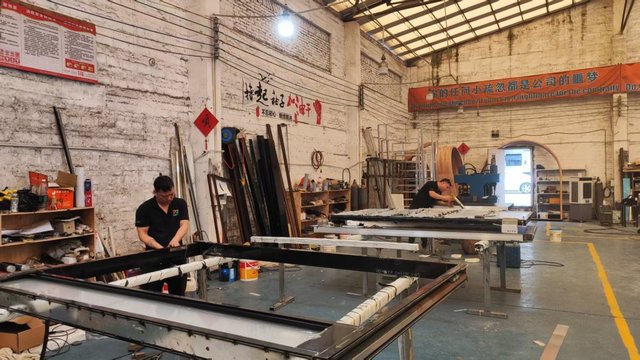
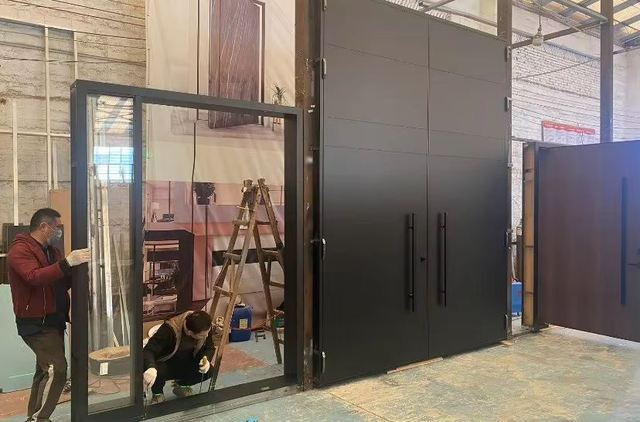
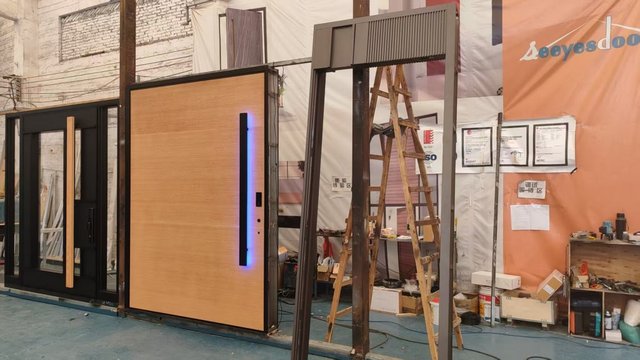
Dongguan Gerald Doors Co., Ltd. is a leading China garage door manufacturer specializing in residential, commercial, and industrial door solutions for customers worldwide. With a strong focus on quality, innovation, and reliability, Gerald Doors provides a comprehensive range of entrance and access systems designed to meet the needs of modern buildings, warehouses, logistics centers, factories, and residential properties.
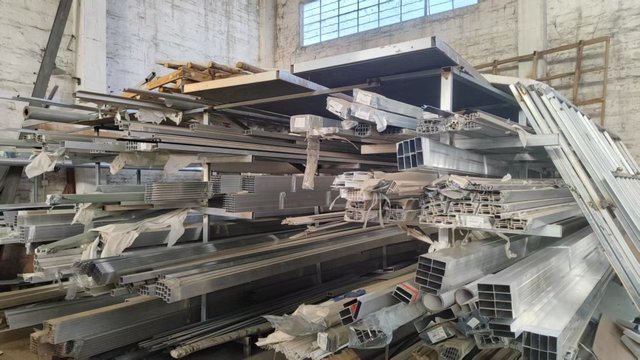
Our product portfolio includes residential garage doors, commercial garage doors, industrial overhead doors, sectional doors, roller shutter doors, high-speed doors, fire-rated doors, security doors, and customized access solutions. Engineered with premium materials and advanced manufacturing technologies, our products are designed to deliver superior durability, safety, energy efficiency, and long-term performance in diverse operating environments.
At Gerald Doors, we understand that every project has unique requirements. Our experienced engineering and production teams work closely with customers to develop tailored solutions that match specific dimensions, operational needs, architectural styles, and performance standards. From design and manufacturing to quality control and delivery, we maintain strict production processes to ensure consistent product excellence.
Serving clients across North America, Europe, the Middle East, Southeast Asia, and other global markets, Gerald Doors has built a reputation for dependable products, responsive customer service, and competitive manufacturing capabilities. We continuously invest in research and development to improve product functionality, automation technologies, and smart access solutions that support the evolving demands of residential and industrial applications.
Driven by a commitment to quality and customer satisfaction, Dongguan Gerald Doors Co., Ltd. strives to be a trusted global partner for innovative, secure, and high-performance door systems.
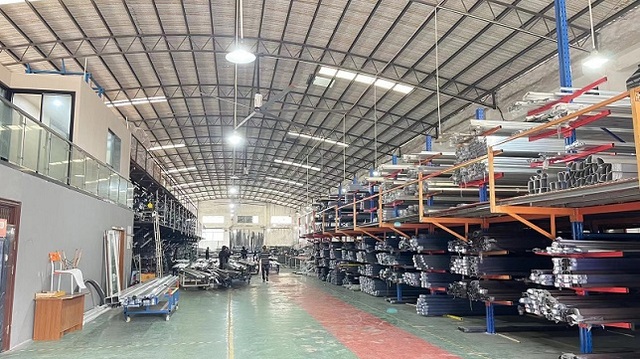
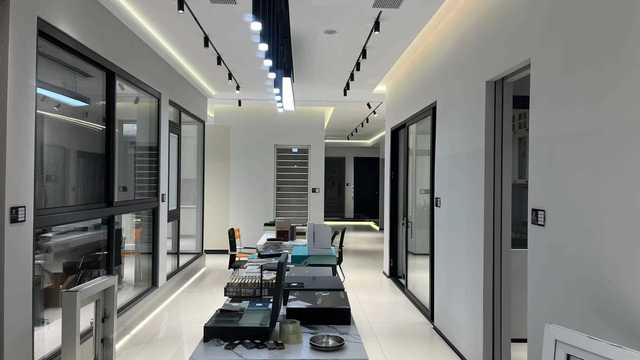
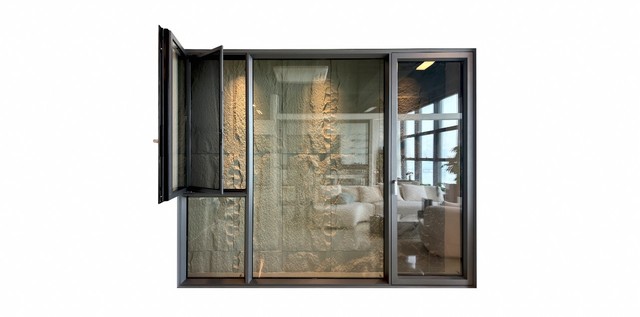
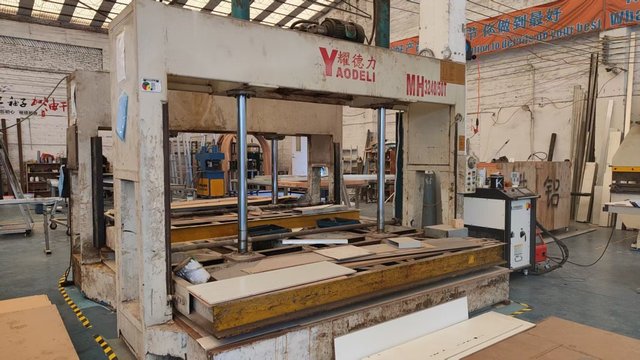
Operating in the Belgian territory requires strict compliance with domestic and European Union standards. Builders must adhere to regional directives (Flanders, Wallonia, and Brussels-Capital) which mandate energy efficiency and occupant safety.
This standard governs safety and functional parameters for industrial, commercial, and garage doors. Our structural steel systems undergo rigorous testing for wind-load performance, mechanical integrity, and anti-drop mechanisms to protect workers.
For specialized cleanrooms, laboratories, and warehouses, doors must offer thermal containment and structural barrier qualities. Meeting these requirements helps control temperature and support containment strategies during safety events.
A: Grade 316 (containing molybdenum) is recommended for maritime and coastal areas due to its resistance to chloride-induced pitting. For standard indoor installations, Grade 304 offers cost-effective mechanical performance.
A: Our doors feature polyurethane core insulation and full peripheral EPDM double-lip seals, reducing heat loss. This helps maintain low U-values, supporting green building assessments like BREEAM.
A: Yes, our engineering department provides CAD details and BIM models (.rfa, .ifc format) to assist project designers and architects during structural modeling.
A: Production schedules vary between 14 to 30 days based on customization. Maritime shipping from our facilities to Antwerp or Rotterdam takes approximately 28 to 35 days.
Connect with our engineering experts today to receive custom drawings, material certificates, and tailored pricing for your Belgian and European commercial operations.
Send Inquiry Now
 Gerald Doors