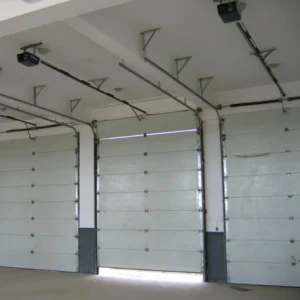
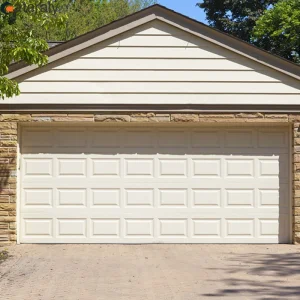
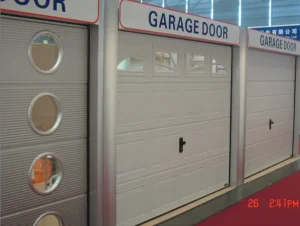
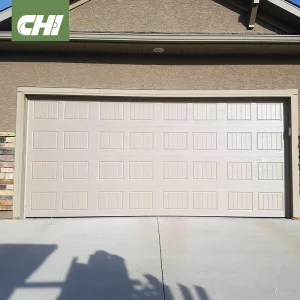
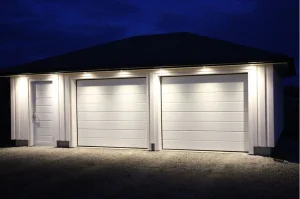
Premium residential door profiles featuring structural thermal isolation, engineered for immediate deployment across Helsinki, Tampere, Oulu, and Lapland microclimates.
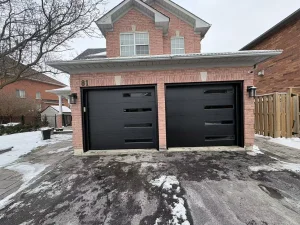
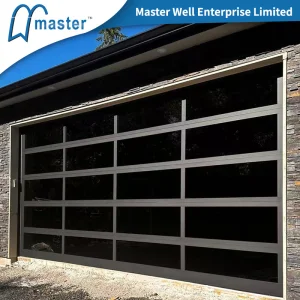
Finland's building stock is subject to some of the most stringent energy efficiency mandates in the European Union. Under the Finnish Land Use and Building Act and the National Building Code of Finland (Suomen rakentamismääräyskokoelma), residential envelopes must be designed to minimize thermal losses while mitigating structural cold-bridging. External barriers, such as sectional garage doors attached to heated envelopes (puolilämmin or lämmin autotalli), are strictly regulated to maintain precise operational heat transmission coefficients (U-values).
Historically, typical garage doors permitted significant energy leakages, creating heavy utility burdens during Baltic winters when ambient temperatures drop below -30°C. Modern architectural specifications in major population centers like Helsinki, Espoo, and Tampere demand high-density structural designs. For a heated garage, the baseline requirement is a U-value ≤ 0.9 W/m²K, which requires a minimum of 40mm to 50mm polyurethane (PU) core thickness with advanced thermal break engineering. The integration of high-performance perimeter seals that retain physical elasticity under sub-zero conditions is critical to preventing frost buildup, ice-wedging, and wind infiltration from coastal wind vectors along the Gulf of Finland.
To withstand extreme winter temperature differentials (where indoor spaces are kept at +18°C while outdoor environments plummet to -35°C), garage door designs must implement a multi-barrier physical structure. The core materials must resist thermal conductivity and moisture absorption. Dongguan Gerald Doors Co., Ltd. resolves this engineering challenge using high-density polyurethane injection, creating an impenetrable composite barrier.
The steel skins of our garage door panels are completely separated by a continuous, non-conductive polyamide thermal break profile. Without this break, thermal energy travels via conduction directly through the steel, causing severe condensation and frost buildup on the inner side of the panel. Our specialized design stops this cold transfer, lowering the risk of joint freezing and track locking.
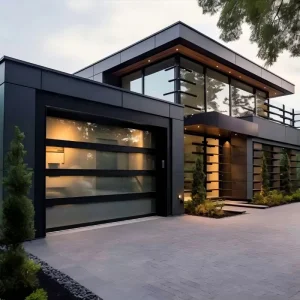
In Finland, residential architecture blends practical functionality with minimalist Nordic design. Garage doors are not just utility entries but key design elements of the home's facade. This requires precise color choices, panel styles, and smooth automation systems.
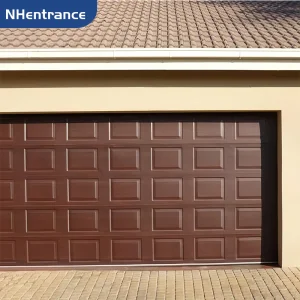
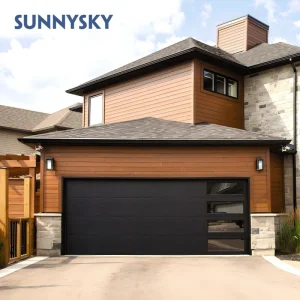
Modern housing developments favor dark, neutral tones that complement natural wood and stone facades. Anthracite Grey (RAL 7016), Jet Black (RAL 9005), and Dark Umber are highly requested. Our product range includes textured surfaces (woodgrain, stucco, and smooth sandgrain finishes) with advanced UV-resistant coatings that protect against intense summer sunlight and winter UV reflection.
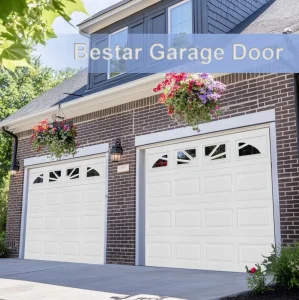
Functional additions like integrated pedestrian doors (pass-doors) are highly valued in Finland. They allow homeowners to enter the garage to retrieve tools, bikes, or sports equipment without opening the main overhead door, keeping warm air trapped inside and reducing heating costs.
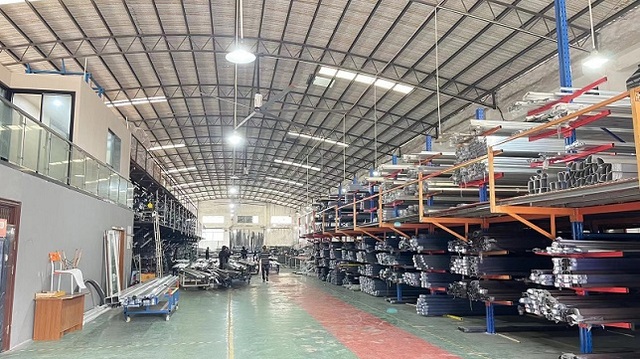
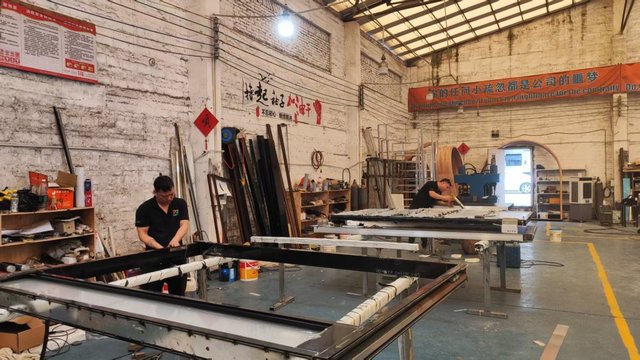
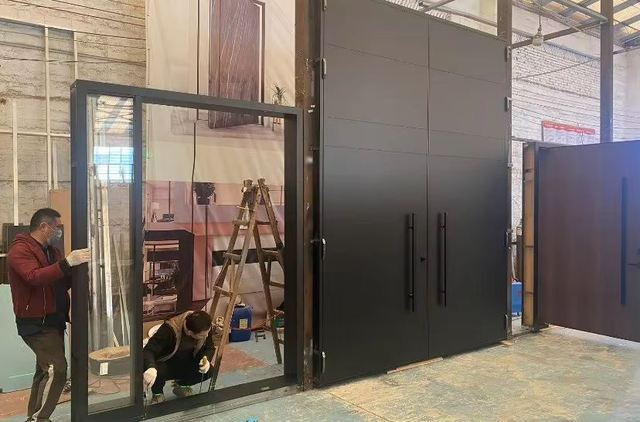
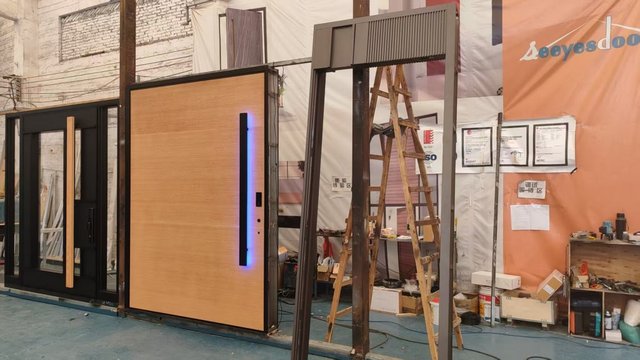
As a leading Chinese manufacturer, Dongguan Gerald Doors Co., Ltd. combines cost efficiency with reliable production quality. Our factory operates a fully automated continuous polyurethane foaming line. This advanced setup ensures even foam distribution, strong panel adhesion, and precise profile shaping, removing human error from the production process.
Our raw material procurement network guarantees steady pricing and reliable supply, shielding our clients from steel and chemical price spikes. We use automated quality control systems that check panel thickness, density, and paint finish consistency in real time, ensuring every shipment sent to Baltic ports meets strict standards.
We optimize our logistics for the Northern European market. By utilizing direct rail freight networks (the New Silk Road) and direct container shipping to the Port of Helsinki (Vuosaari), we reduce delivery times to 18–25 days. Our packages are secured in steel crates with moisture-absorbing materials, protecting the panels and tracks from saline air during sea transit.
Exporting garage doors to Finland requires strict adherence to European safety standards. All residential garage doors supplied by Dongguan Gerald Doors are CE certified and fully compliant with the European harmonized standard EN 13241-1, which covers safety and performance requirements for commercial, industrial, and residential doors.
We integrate several essential safety features into our systems: spring-break safety devices that halt the door if a torsion spring fails, cable-break safety devices to prevent uncontrolled drops, and finger pinch protection on both the inside and outside of the panel joints. Automated operators feature built-in electronic force-limiting sensors, stopping and reversing the door immediately if it encounters an obstacle, meeting EN 12453 safety requirements.
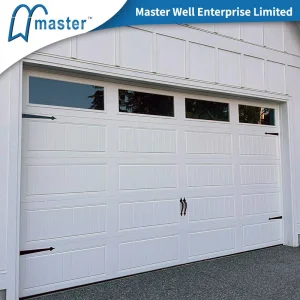
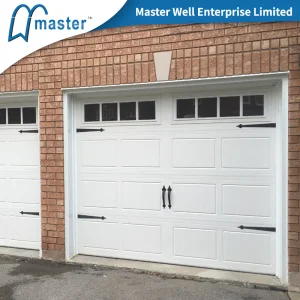
Full inventory of custom-engineered insulated sectional overhead doors with complete CE and Nordic performance ratings.
The future of garage door design is closely linked with smart home integration and sustainable building practices. In Finland, platforms like Home Assistant, Somfy TaHoma, and Apple HomeKit are widely used to manage home heating, lighting, and access. Our engineering team is adapting to these trends by developing IoT-connected door openers that offer real-time status tracking, geofencing, and remote operation via encrypted communication protocols.
To support net-zero building designs, we have reduced the power consumption of our automated operators to under 0.5W in standby mode. We are also testing solar-powered backup battery systems, which are ideal for off-grid summer cottages (mökki) that are being upgraded with smart systems. In line with the circular economy, our sandwich panels are constructed with high-recycle steel and eco-friendly pentane-blown foam, facilitating material recovery and recycling at the end of the door's lifespan.
 Gerald Doors