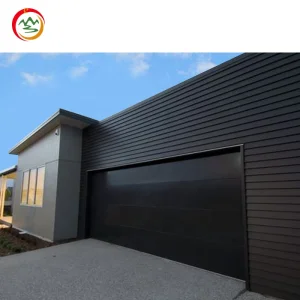
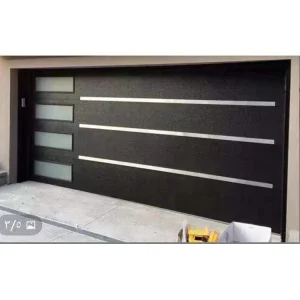
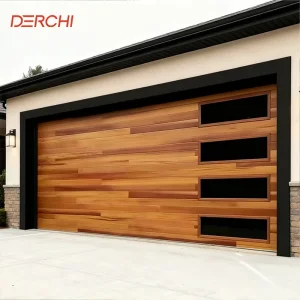
Engineered for high thermal performance, structural wind resistance, and seamless automated cycles in local distribution hubs.
The New York metropolitan market—spanning Manhattan's architectural commercial facades, Brooklyn's historic retrofits, and major logistics zones across Queens, Staten Island, and Long Island—demands unparalleled structural engineering standards from industrial overhead door systems. Driven by intense weather fluctuations, heavy Atlantic coastal winds, and dense urban layouts, real estate owners, contractors, and facility directors must ensure strict compliance with regional building guidelines.
Specifically, the New York State Construction Codes and local NYC Building Code (Chapter 16) require structural components to withstand severe wind loads. Industrial doors must satisfy ANSI/DASMA 108 (static pressure) and ANSI/DASMA 115 (impact standards for windborne debris in hurricane-prone regions). In regions like Eastern Suffolk County and coastal Queens, design wind pressures frequently dictate door specifications up to 140 MPH.
Furthermore, the ongoing enforcement of local energy conservation regulations (such as the NYCECC) necessitates highly insulated access barriers. Selecting door systems with optimal U-factors and high thermal-break profiles isn't simply about efficiency; it's a structural requirement to lower overall HVAC losses in vast distribution centers.
How modern supply chains are responding to advancements in smart building systems and high-density thermal insulation technology.
Modern overhead systems are integrated into building management networks. Sensors track operating cycles, thermal leakage, structural tension, and spring wear, enabling predictive maintenance that prevents system downtime.
Using continuous thermal breaks and CFC-free polyurethane cores prevents cold bridging. High-efficiency seals stop convective drafts along track systems, yielding measurable carbon footprint reductions.
High-risk locations leverage dual-cable anti-drop brakes, smart pneumatic safety bottoms, and sequential light barriers to comply with stringent regional safety frameworks and minimize workplace accidents.
| Performance Class | Material Construction | Wind Load Resistance | Insulation Core Thickness | Common Applications |
|---|---|---|---|---|
| Industrial Sectional T500 | Double-Skinned Galvanized Steel | Up to 150 MPH | 50mm PU Foaming (R-Value 16.5) | Distribution Centers, Logistics Terminals |
| Commercial Glass & Aluminum | Extruded Aluminum Frame with Tempered Glass | Up to 115 MPH | Insulated Glazing Options | Auto Dealerships, Fire Stations, Retail Fronts |
| Heavy Rolling Shutter | Interlocking Steel Slats (PU Foamed) | Up to 130 MPH | Double-wall insulated slats | Urban Storefronts, High-Risk Loading Docks |
Operating from Dongguan, the manufacturing heart of high-tech production, Dongguan Gerald Doors Co., Ltd. leverages state-of-the-art Industry 4.0 production infrastructure to support the global procurement pipeline. Through computerized automated foaming systems, precision roll-forming machinery, and robotic laser-welding lines, we achieve dimensional deviations under 0.5mm, ensuring absolute structural consistency on all panels.
In a macro-economic landscape defined by cargo delays and material cost fluctuations, procurement managers require manufacturing partners that deliver predictable timelines. Gerald Doors ensures supply chain stability through a strategic network of logistics pathways extending from the Port of Shenzhen directly to the Port of New York and New Jersey. Our comprehensive containerized booking and customs compliance protocols bypass standard transit bottlenecks, ensuring custom industrial components reach job sites on schedule.
By implementing automated manufacturing, Gerald Doors achieves a level of price competitiveness that offsets ocean freight overhead. This allows us to provide US clients with engineered door systems that meet or exceed local structural ratings at a highly competitive total cost of ownership (TCO).
Tailored sectional and rolling door installations designed for New York's micro-urban environments and logistics hubs.
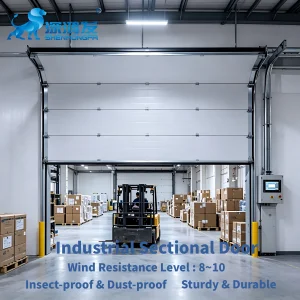
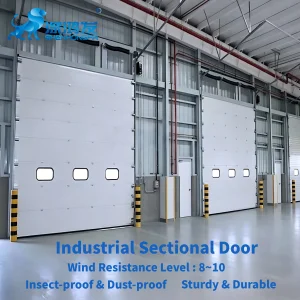
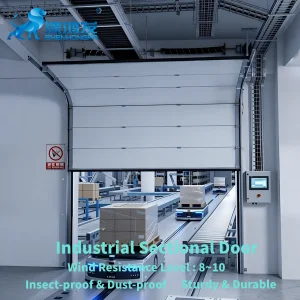
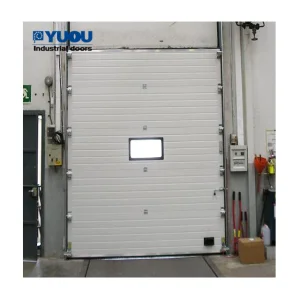
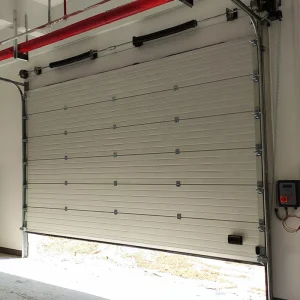
High-speed, heavily insulated sectional steel doors configured for heavy traffic flows. Outfitted with high-cycle spring assemblies and durable edge sensors to guarantee safe, continuous shipping and receiving operations.
Fully transparent, anodized aluminum frames fitted with tempered safety glass. These systems blend indoor retail layouts with city streets, offering clean modern lines while remaining weather-resistant and secure.
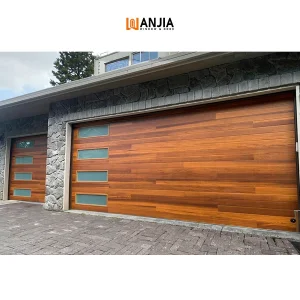
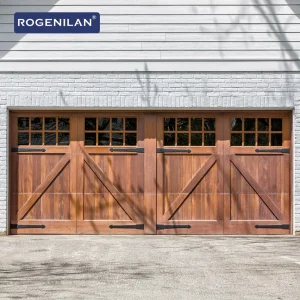
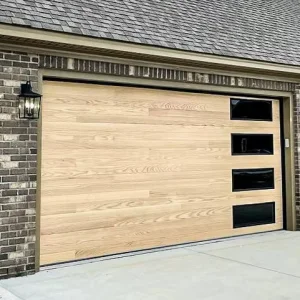
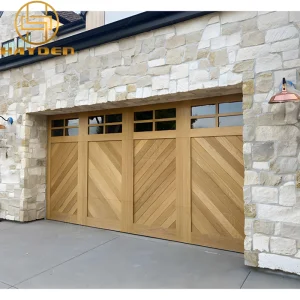
Custom-designed wood-grain and insulated panel assemblies that complement local architecture. Engineered to protect against damp coastal elements and winter conditions while maintaining curbside appeal.
Dongguan Gerald Doors Co., Ltd. is a leading China garage door manufacturer specializing in residential, commercial, and industrial door solutions for customers worldwide. With a strong focus on quality, innovation, and reliability, Gerald Doors provides a comprehensive range of entrance and access systems designed to meet the needs of modern buildings, warehouses, logistics centers, factories, and residential properties.
Our product portfolio includes residential garage doors, commercial garage doors, industrial overhead doors, sectional doors, roller shutter doors, high-speed doors, fire-rated doors, security doors, and customized access solutions. Engineered with premium materials and advanced manufacturing technologies, our products are designed to deliver superior durability, safety, energy efficiency, and long-term performance in diverse operating environments.
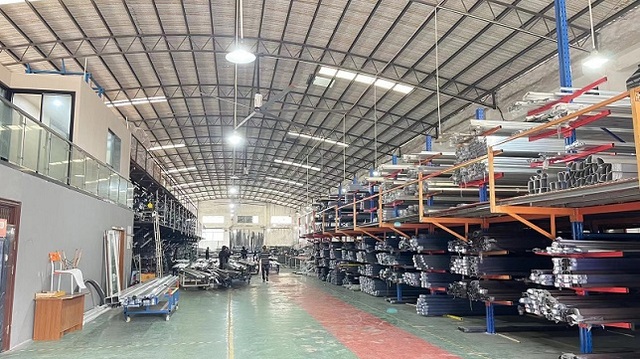
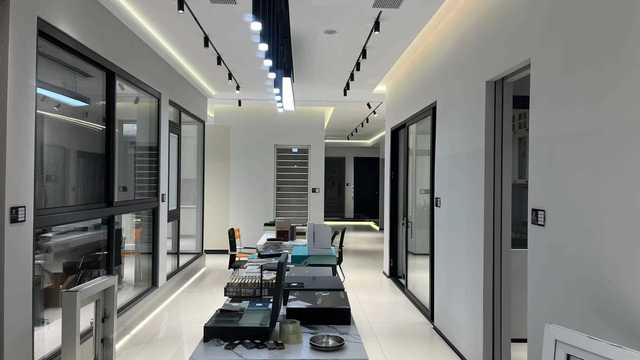
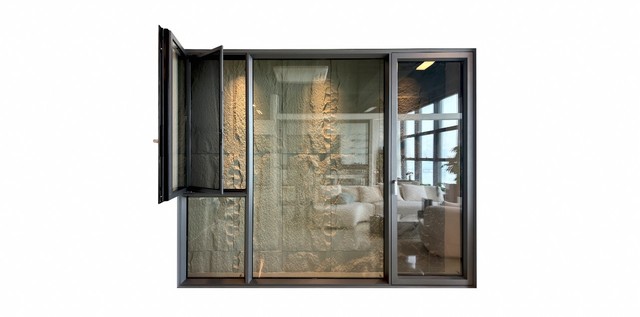
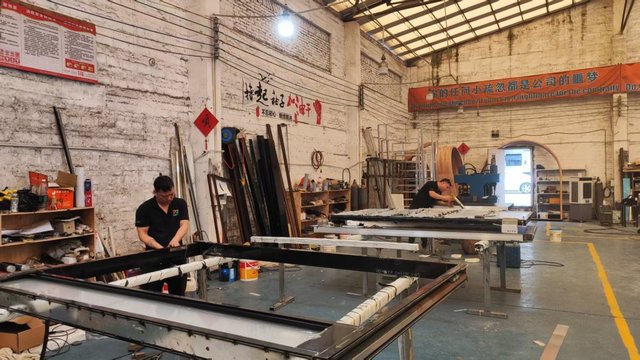
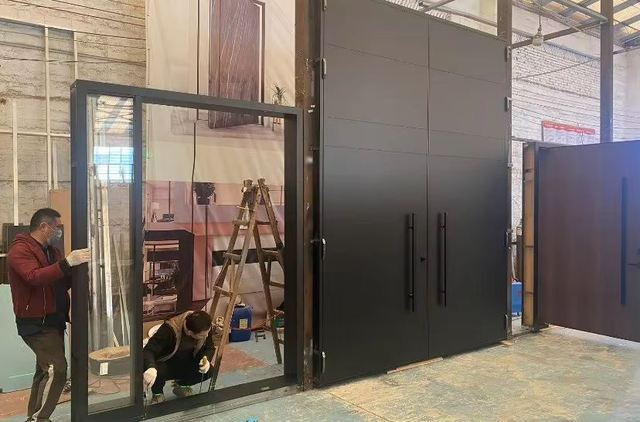
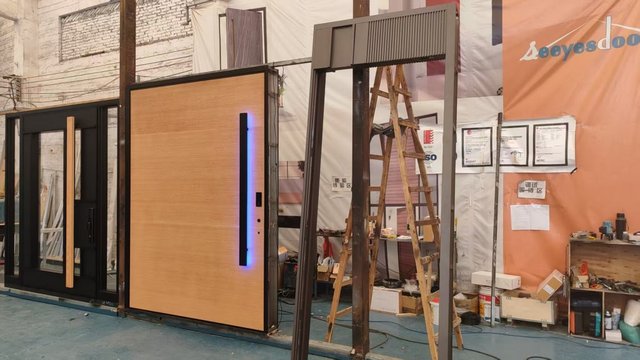
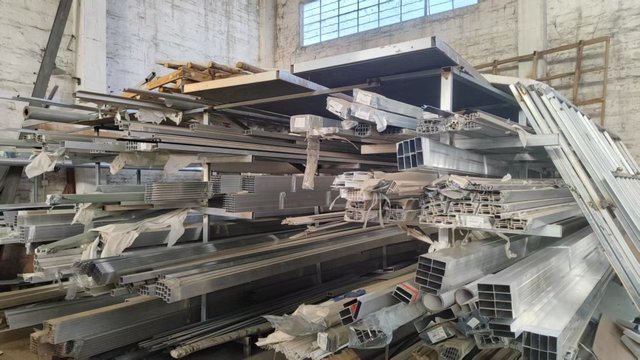
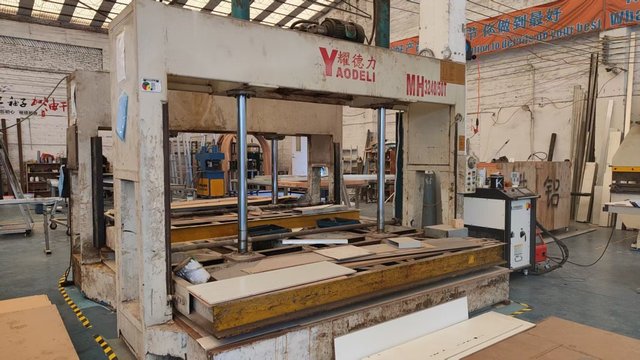
At Gerald Doors, we understand that every project has unique requirements. Our experienced engineering and production teams work closely with customers to develop tailored solutions that match specific dimensions, operational needs, architectural styles, and performance standards. From design and manufacturing to quality control and delivery, we maintain strict production processes to ensure consistent product excellence.
Explore our complete range of certified access solutions, built to order and shipped direct.
Critical specifications and engineering information for architectural designers, contractors, and project managers.
Our technical support team helps engineers, building designers, and commercial purchasing departments select the correct wind-load values, hardware specs, and panel configurations.
Connect with an Estimator Now Gerald Doors