Engineered to conform with British Standards (BS EN) and configured for high wind-load tolerances typical of UK coastal airports.
The United Kingdom's aerospace and aviation sectors represent one of the largest and most advanced markets globally, supporting a sprawling network of civil airports, defense facilities, Maintenance, Repair, and Overhaul (MRO) facilities, and advanced manufacturing campuses. As airports like London Heathrow, Gatwick, Manchester, and Prestwick continue to upgrade their infrastructure to accommodate next-generation aircraft and comply with stricter environmental mandates, the demand for robust, energy-efficient, and wind-resistant hangar door systems has reached an unprecedented peak.
Unlike standard commercial overhead doors, aircraft hangar doors are highly engineered, bespoke structures that must span vast clear widths—often exceeding 50 to 100 meters—while maintaining structural integrity against extreme aerodynamic forces. In the UK, coastal weather patterns and strong maritime winds necessitate systems certified to rigorous wind-load tolerances (specifically conforming to BS EN 12424 regulations). Furthermore, the UK's commitment to achieving Net-Zero carbon emissions by 2050 has placed thermal performance (U-values) at the forefront of procurement criteria. Modern hangar designs must act as thermal envelopes, minimizing heat loss in the winter and reducing energy expenditure for massive interior volumes.
Every hangar door installed in the UK must adhere to strict regulatory compliance guidelines. Structural engineers and procurement officers pay close attention to:
The choice of hangar door type is fundamentally dictated by clear opening dimensions, building support capacity, site topography, and operational frequency. The industry has moved beyond traditional manual rolling doors toward automated, sensor-guided, multi-leaf, and flexible fabric systems.
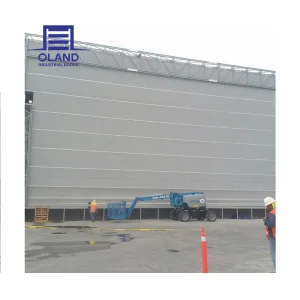
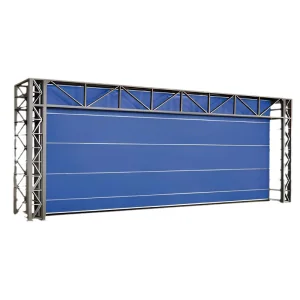
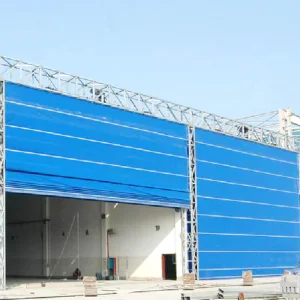
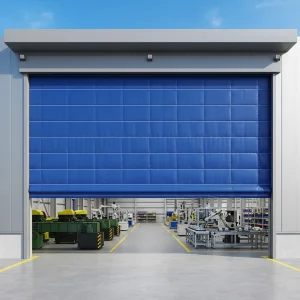
Designed for extreme sizes, vertical folding PVC fabric hangar doors consist of structural horizontal aluminum or steel truss sections enclosed within a double-layer, high-tensile PVC-coated polyester fabric. When opening, the bottom beam lifts, folding the intermediate trusses upward in a stack. The absence of floor tracks makes this system highly suitable for harsh environments where dirt, ice, or track obstruction is a concern.
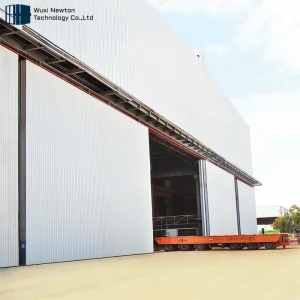
For ultra-large aircraft maintenance hangars (such as those housing Boeing 777 or Airbus A350/A380 fleets), multi-track bottom-rolling sliding steel doors remain the industry standard. These doors distribute their substantial weight onto dedicated steel rails embedded in the floor foundation, minimizing the vertical load exerted on the hangar’s structural steel canopy. Integrated drive motors offer variable speed control, soft-start, and soft-stop operations, complete with safety laser scanners to monitor the transit path.
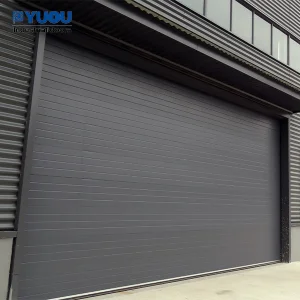
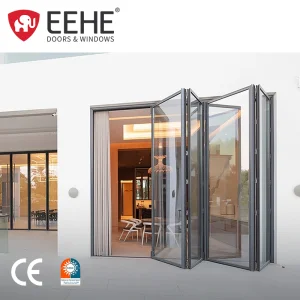
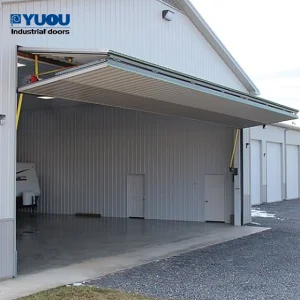
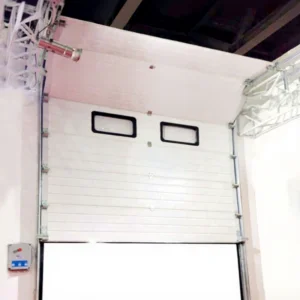
For mid-sized regional hangars, private jet FBOs, and military helicopter maintenance units, bi-fold folding and insulated sectional doors offer rapid open/close cycles, ensuring minimal thermal transfer. These systems utilize space-saving configurations that nest neatly in the header or fold to the sides, freeing up critical floor workspace.
| Door Type | Typical Width Range | Wind Resistance Limit | Thermal U-Value Target | Best Suited UK Application |
|---|---|---|---|---|
| Horizontal Sliding Steel | 30m - 120m+ | Up to Class 5 | 1.0 - 1.4 W/m²K | Commercial MRO Hangars (e.g., Heathrow, Manchester) |
| Vertical Folding PVC Fabric | 10m - 80m+ | Up to Class 4 | 1.2 - 1.6 W/m²K | Coastal Airfields, Military Harbours, Extreme Weather Zones |
| Insulated Sectional Overhead | 5m - 12m | Class 2 - Class 3 | 0.8 - 1.1 W/m²K | Regional Heliports, FBO Business Jet Hangars |
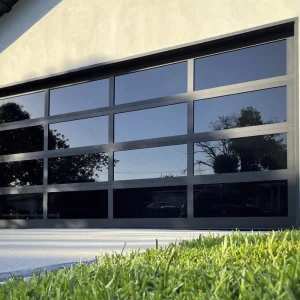
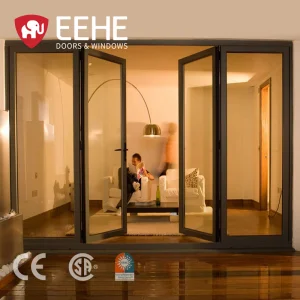
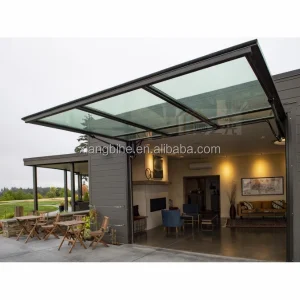
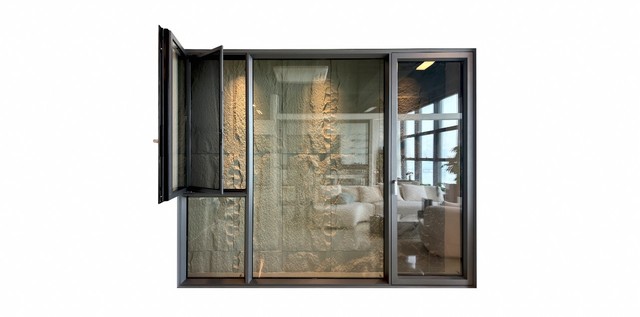
| Aluminum Bi-Fold Glass | 6m - 20m | Class 2 - Class 3 | 1.2 - 1.5 W/m²K | Showrooms, High-End Corporate Aviation, Heritage Hangars |
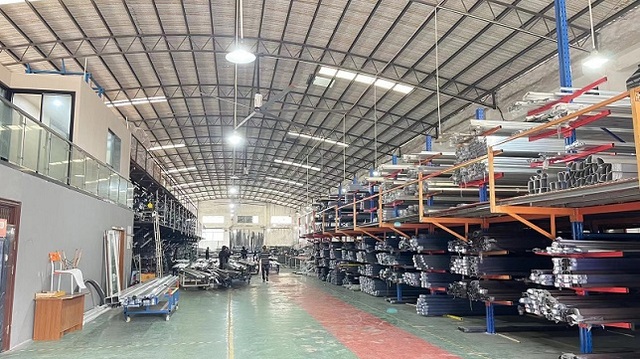
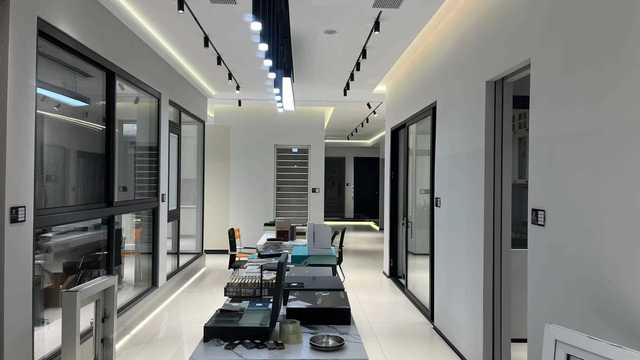
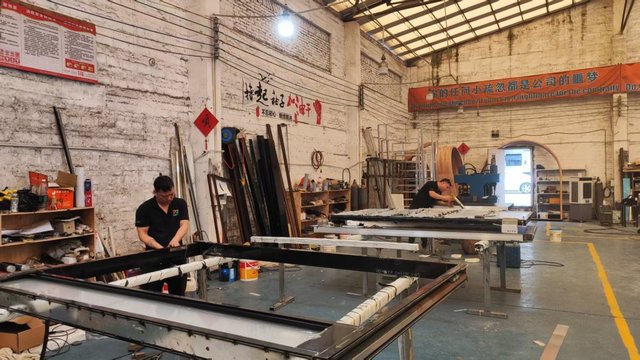
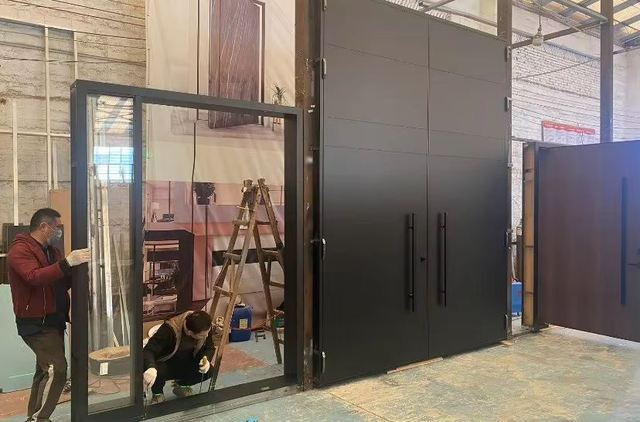
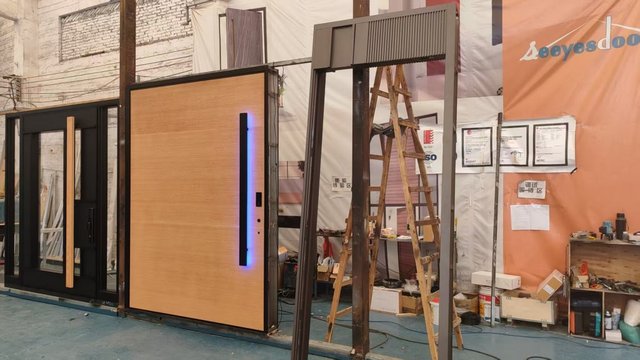
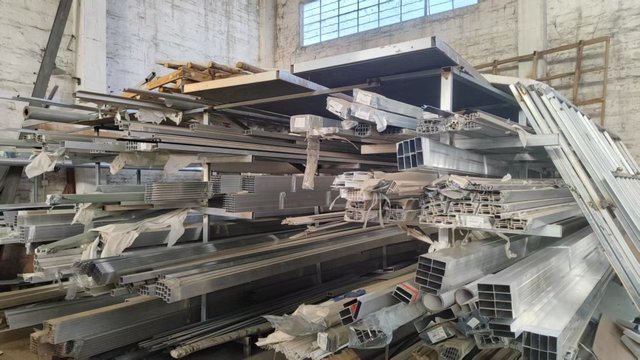
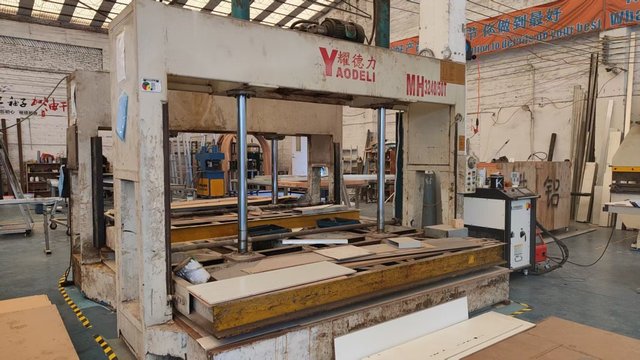
The manufacturing of large-scale structural hangar doors requires advanced material science, massive production capacities, and precision engineering. Chinese manufacturing hubs—typified by advanced facility complexes like Dongguan Gerald Doors Co., Ltd.—have integrated Industry 4.0 automation to deliver high-quality, compliance-tested components at competitive structural price points.
By leveraging automated hot-dip galvanizing lines, heavy-duty structural steel CNC laser cutting systems, and continuous polyurethane injection presses, Chinese factories ensure structural components meet European ISO 9001 and CE certification criteria. This engineering quality controls structural distortion over long spans, guaranteeing that a 60-meter hangar door retains its linear alignment and seal pressure year after year.
To mitigate logistics risks, Gerald Doors maintains deep supply chain resilience, partnering with major ocean carriers to provide door-to-door delivery across major UK ports, including the Port of London Gateway, Felixstowe, and Southampton. Every shipment is securely packed in reinforced modular steel frames to prevent transit warping, accompanied by comprehensive mechanical engineering calculations, wiring diagrams, and structural load documentation.
Hangar door installations in the UK vary extensively based on geographic location and operational focus. Below are three representative UK application scenarios where custom door systems are vital:
Airfields located near Aberdeen or the Orkney Islands face relentless North Sea weather. Hangar doors must incorporate Class 4 wind-load engineering, heavy-duty hot-dip galvanized tracks, and marine-grade C5-M anti-corrosion protective coatings on all steel fittings. PVC fabric folding doors are highly preferred here due to their non-corrosive skin and flexible resistance to wind buffet.
Private jet hubs like Farnborough and London Biggin Hill demand high aesthetic appeal, acoustic insulation to mitigate noise pollution, and ultra-fast operations. Here, thermally broken aluminum-framed glass bi-fold doors or insulated overhead sectional systems are utilized. They allow natural daylight ingress into the hangar space while matching the modern architectural aesthetics of adjacent corporate lounges.
East Midlands Airport and key logistics nodes require doors that can operate continuously. Double-layer windproof high-speed rolling or folding doors are deployed to separate warm interior spaces from loading bays, ensuring cargo handling speeds are maintained without losing interior heat.
Comprehensive technical insights to common challenges faced by UK structural engineers, main contractors, and aviation authorities.
Select from our extensive product range designed to meet the demands of aerospace hangars, shipyards, and large industrial properties.
Dongguan Gerald Doors Co., Ltd. is a leading China garage door manufacturer specializing in residential, commercial, and industrial door solutions for customers worldwide. With a strong focus on quality, innovation, and reliability, Gerald Doors provides a comprehensive range of entrance and access systems designed to meet the needs of modern buildings, warehouses, logistics centers, factories, and residential properties.
Our product portfolio includes residential garage doors, commercial garage doors, industrial overhead doors, sectional doors, roller shutter doors, high-speed doors, fire-rated doors, security doors, and customized access solutions. Engineered with premium materials and advanced manufacturing technologies, our products are designed to deliver superior durability, safety, energy efficiency, and long-term performance in diverse operating environments.
At Gerald Doors, we understand that every project has unique requirements. Our experienced engineering and production teams work closely with customers to develop tailored solutions that match specific dimensions, operational needs, architectural styles, and performance standards. From design and manufacturing to quality control and delivery, we maintain strict production processes to ensure consistent product excellence.
Serving clients across North America, Europe, the Middle East, Southeast Asia, and other global markets, Gerald Doors has built a reputation for dependable products, responsive customer service, and competitive manufacturing capabilities. We continuously invest in research and development to improve product functionality, automation technologies, and smart access solutions that support the evolving demands of residential and industrial applications.
Driven by a commitment to quality and customer satisfaction, Dongguan Gerald Doors Co., Ltd. strives to be a trusted global partner for innovative, secure, and high-performance door systems.
Receive comprehensive structural analysis, wind load calculations, and architectural BIM blueprints customized for your UK commercial project site.
Send Inquiry Now Gerald Doors