High-performance industrial, commercial, and residential entry systems engineered to maximize security, thermal performance, and logistics throughput.
Unpacking market demands, regulatory compliance, and urbanization trends shaping access infrastructure.
The global industrial and commercial door industry has evolved from providing simple barriers to supplying complex, highly integrated access ecosystems. In an era dominated by rapid urban development, mega-logistics hubs, and smart manufacturing facilities, architectural doors represent a critical nexus of safety, security, and thermal insulation. According to recent industrial building analyses, modern architectural openings represent up to 15% of a building's overall envelope energy transmission surface, highlighting their importance in modern carbon-neutral design initiatives.
Rapidly developing e-commerce markets, particularly across North America, Europe, and the Asia-Pacific region, have caused a surge in demand for high-speed roller doors and ultra-heavy-duty sliding systems. Facilities operating 24/7 require entrance hardware that can withstand thousands of cycles daily without mechanical failure. This shift has elevated industrial doors from static architectural elements to active, automated components within supply chains and facility management workflows.
Global demand is driven by modern architectural requirements, safety standards, and strict environmental targets:
How regulatory pressure, automated facilities, and structural science shape product development.
Stricter regional building regulations (such as the EU Energy Performance of Buildings Directive and US ASHRAE 90.1) are forcing operators to address thermal bridges in industrial openings. Using polyurethane-injected sandwich panels and multi-chamber thermal breaks helps minimize energy loss in conditioned facilities, logistics hubs, and cold-chain warehouses.
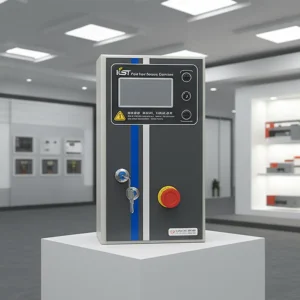
Modern doors are no longer isolated mechanical assets. The integration of programmable logic controllers (PLCs), high-frequency radar sensors, safety light curtains, and building management systems (BMS) enables automated opening cycles, predictive maintenance alerts, and real-time security tracking.
With extreme weather events increasing globally, architectural installations require higher structural strength. Doors deployed in coastal regions or high-altitude airports are built with reinforced steel wind bars and heavy-duty double-skin panels to withstand significant wind load ratings (up to EN 12424 Class 4 or higher).
"Modern industrial logistics depends on minimal delays. A single high-speed door failure at a distribution center can halt supply chain operations, costing thousands of dollars per hour. Choosing reliable, high-cycle components is critical to operational resilience."
Adapting entrance systems to regional challenges, environmental demands, and safety codes.
In Northern Europe, where winter temperatures regularly fall below freezing, maintaining thermal boundaries is essential. Cold-chain storage facilities require high-speed insulated doors combined with heated side guides to prevent frost accumulation. Minimizing door opening cycles prevents ambient air infiltration, helping operators comply with strict EU food preservation regulations and reduce refrigeration energy consumption.
Facilities in the Middle East face high temperatures, strong winds, and airborne sand particles. Standard doors can quickly fail due to abrasive grit in the tracks and high wind pressure on the panels. Heavy-duty, dust-sealed roller shutters with reinforced structural ribs and IP65-rated control panels are essential for maintaining operational safety and protecting interior environments from dust infiltration.
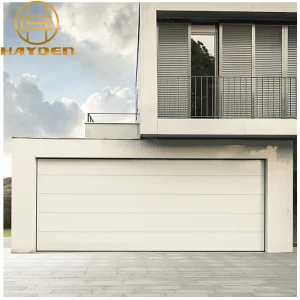
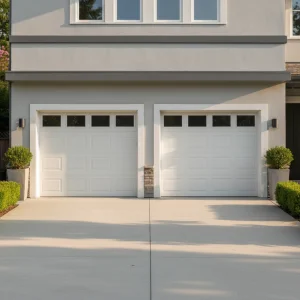
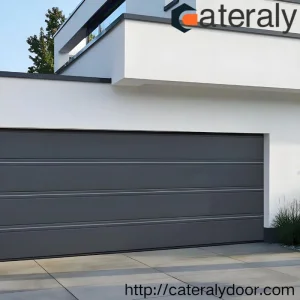
In North America, fire resistance (NFPA 80 compliance) and wind-load performance (such as Florida Building Code and Miami-Dade County high-velocity hurricane zone certifications) are key drivers for building materials. Residential sectional garage doors must feature pinch-resistant panel designs, heavy-duty torsion springs, and built-in insulation to handle seasonal temperature swings while ensuring reliable long-term performance.
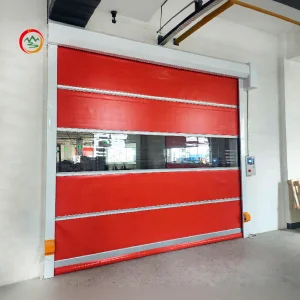
Densely populated Asian hubs rely on vertical logistics facilities and high-frequency automated warehouses. In these environments, doors are in near-constant operation. This requires high-speed fabric roll-up doors with soft bottom edges and self-reinserting zipper tracks to handle heavy, continuous forklift traffic and minor impacts without causing downtime.
The technology milestones driving the development of modern architectural access systems.
Integrating sensors within door guides and control systems tracks cycles, motor temperatures, and alignment in real time. This allows facility managers to schedule maintenance based on actual usage data, preventing costly unplanned downtime.
Transitioning to bio-based polyurethane foams and recyclable composite skin panels. This reduces the embodied carbon of access systems while maintaining high R-value thermal performance and structural strength.
Next-generation access points will use edge-computing vision sensors to anticipate pedestrian and vehicle approach angles. System speeds adjust dynamically based on traffic flow, optimizing climate control and ensuring site safety.
Tailoring physical barriers to the specific operational needs of modern industries.
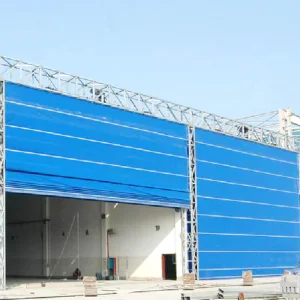
Airport hangars require massive structural openings to accommodate wide-body aircraft. Custom-engineered PVC fabric foldable doors provide wind-resistant, reliable barriers that operate smoothly under extreme structural loads. High-strength horizontal trusses distribute wind pressure, protecting aircraft and maintenance teams inside.
Distribution centers require reliable high-speed insulated doors to prevent temperature loss at loading docks. Combining fast-acting PVC doors with high-cycle sectional doors minimizes heat transfer during loading, protecting perishable inventory and lowering facility energy costs.
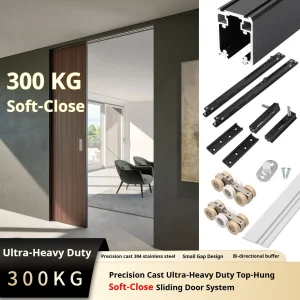
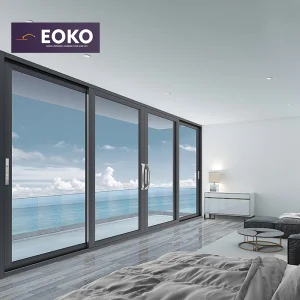
Hospitals, laboratories, and pharmaceutical facilities demand clean, sterile, and quiet environments. Automatic hermetic sliding glass doors and swing doors prevent air leakage and cross-contamination. Touchless activation sensors, stainless steel construction, and soft-closing mechanisms ensure seamless integration with cleanroom standards.
High-quality access systems for residential, commercial, and industrial projects worldwide.
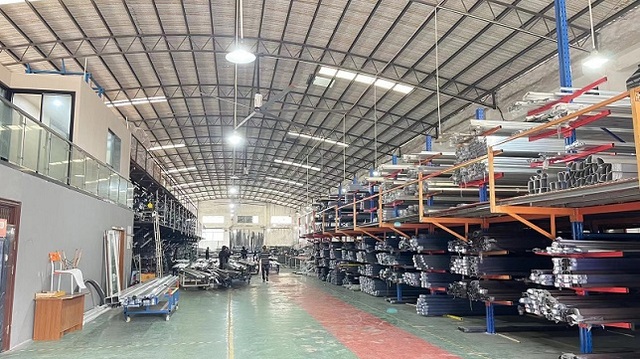
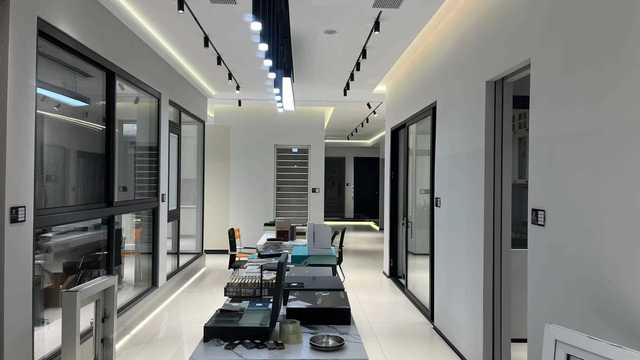
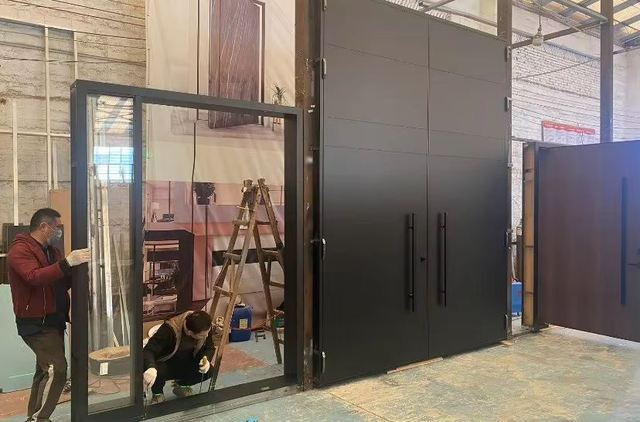
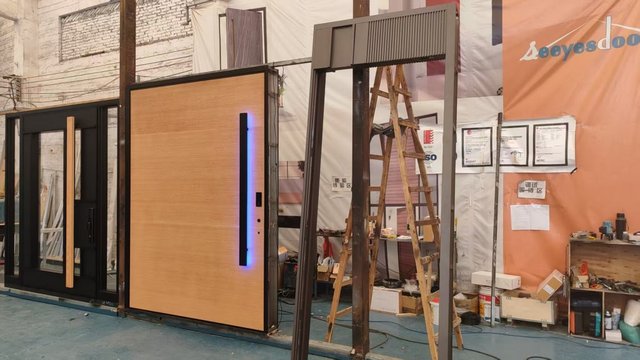
Dongguan Gerald Doors Co., Ltd. is a leading China garage door manufacturer specializing in residential, commercial, and industrial door solutions for customers worldwide. With a strong focus on quality, innovation, and reliability, Gerald Doors provides a comprehensive range of entrance and access systems designed to meet the needs of modern buildings, warehouses, logistics centers, factories, and residential properties.
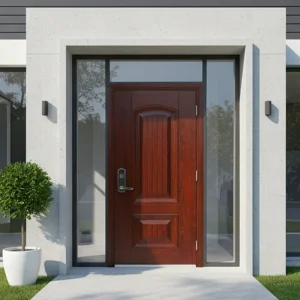
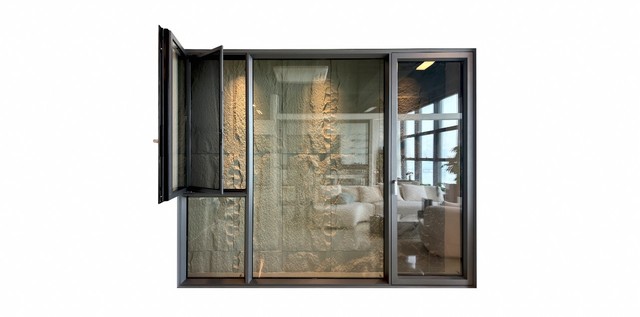
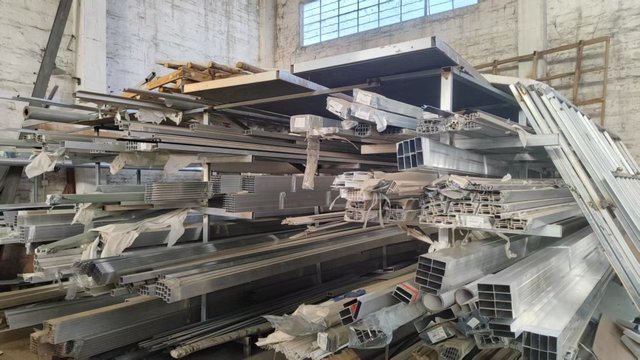
Our product portfolio includes residential garage doors, commercial garage doors, industrial overhead doors, sectional doors, roller shutter doors, high-speed doors, fire-rated doors, security doors, and customized access solutions. Engineered with premium materials and advanced manufacturing technologies, our products are designed to deliver superior durability, safety, energy efficiency, and long-term performance in diverse operating environments.
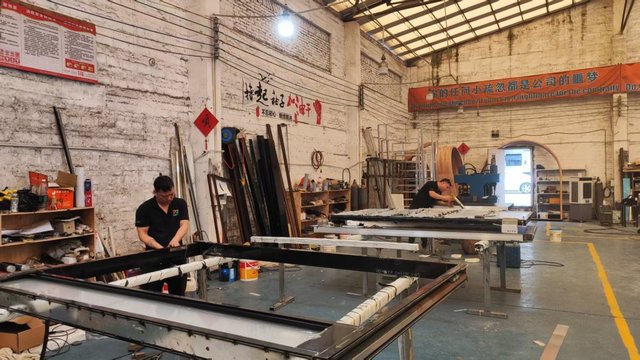
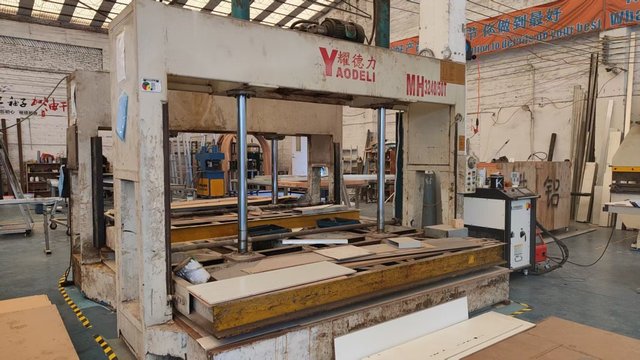
At Gerald Doors, we understand that every project has unique requirements. Our experienced engineering and production teams work closely with customers to develop tailored solutions that match specific dimensions, operational needs, architectural styles, and performance standards. From design and manufacturing to quality control and delivery, we maintain strict production processes to ensure consistent product excellence.
Serving clients across North America, Europe, the Middle East, Southeast Asia, and other global markets, Gerald Doors has built a reputation for dependable products, responsive customer service, and competitive manufacturing capabilities. We continuously invest in research and development to improve product functionality, automation technologies, and smart access solutions that support the evolving demands of residential and industrial applications.
Answers to common design, engineering, and maintenance questions from architects and contractors.
High-performance industrial, commercial, and residential entry systems engineered to maximize security, thermal performance, and logistics throughput.
 Gerald Doors