Explore our flagship catalog of industrial vertical lift doors, high-speed automated rolling shutters, dock leveling systems, and security integrations engineered for high-frequency operations.
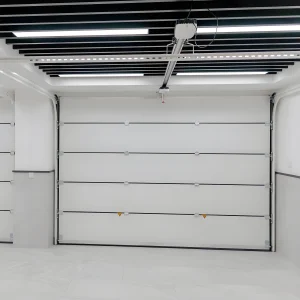
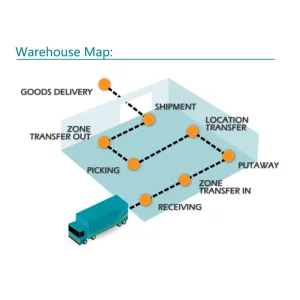
In today's highly integrated global supply chain, industrial facilities, manufacturing hubs, cold storage networks, and distribution hubs face unprecedented throughput pressures. Optimization is no longer confined to digital inventory trackers and robotic picking lines; it extends directly to physical structures. As facilities expand vertically to maximize footprint efficiency, traditional swing and horizontal sliding doors are giving way to high-performance, structurally superior Vertical Lift Doors. These systems move vertically upwards, sliding flush against the building interior walls or ceiling structures, which effectively eliminates the loss of critical floor space and dramatically mitigates the risk of loading-bay collisions.
From a global macroeconomic perspective, the rise of e-commerce, strict cold-chain regulations for biopharmaceuticals, and aggressive decarbonization goals have elevated the specifications of industrial entry systems. The global commercial door market is transforming from simple physical barriers into highly integrated nodes of facility thermal management, structural integrity, and automation. China, as the primary manufacturing powerhouse of the world, has developed world-class production infrastructure capable of fabricating heavy-duty vertical lift systems that match European and North American engineering standards at optimized economies of scale.
Vertical lift door configurations are uniquely suited for environments that demand rapid operational cycles, superior thermal control, and maximum safety protection. Unlike standard sectional garage doors, heavy-duty vertical lift variants rely on custom-engineered counterbalancing mechanisms—either robust torsion spring assemblies or counterweight systems—paired with variable-frequency drive motors. This ensures reliable vertical ascent, preventing horizontal protrusion and eliminating vulnerabilities to high winds or forklift traffic. Consequently, they serve as crucial infrastructure for heavy industries, distribution hubs, shipping ports, and advanced hangar facilities worldwide.
Global procurement directors and industrial engineers look far beyond unit cost when selecting vertical lift door suppliers. They assess the Total Cost of Ownership (TCO), material engineering compliance, safety credentials, and long-term maintenance availability. Key variables driving the selection process include:
“Supplier validation requires verification of raw material processing, track thickness, safety brake response time, and the quality of mechanical components like springs and hinges. Securing a reliable supply chain partner ensures operational continuity, minimizes dock downtime, and maximizes energy savings.”
Furthermore, local custom clearance requirements, sea-freight packing protocols, and multi-language installation manuals are key elements of a seamless procurement experience. Forward-thinking suppliers offer custom design parameters, enabling clients to choose panel thickness, structural reinforcements, view-port windows, and automated access interfaces tailored to their facility's unique demands.
Modern industrial vertical lift systems represent a peak of mechanical and electronic engineering, designed to optimize heat insulation, prevent dust infiltration, and ensure maximum workplace safety. The technology roadmap below details the core components and systems that set premium systems apart:
Utilizes high-density, CFC-free polyurethane cores (40 kg/m³) wrapped in dual-layer galvanized steel or stainless steel sheets. Integrated thermal breaks prevent thermal bridging and condensation in cold storage applications.
Equipped with dual-system fail-safes, including bottom-edge optical sensors, wireless safety edges, anti-drop brake devices, and cable tension monitors to prevent accidental door drops.
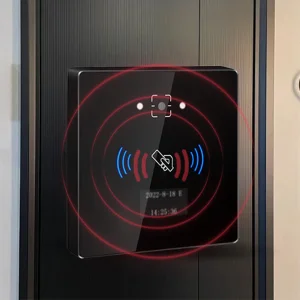
Features robust, variable-frequency drive motors paired with PLC control modules. Supports soft start/stop profiles, adjustable lift speeds, and seamless integration with RFID and radar sensors.
The core innovation of a vertical lift door lies in its track design. Unlike standard lift track systems that curve immediately over the lintel, true vertical lift tracks ascend straight up the wall. This requires vertical tracks to be manufactured from heavy-duty galvanized steel (at least 2.0mm to 3.0mm thickness) and securely anchored to the building's structural framework. Heavy-duty cable drums and industrial steel wire ropes transfer the weight of the door panels to the counterbalancing system. The counterbalancing mechanism is calibrated to offset the exact weight of the door structure, minimizing the mechanical force required from the electric motor and ensuring safe manual operation in the event of a power failure.
Choosing the correct door type is vital to maximizing workflow efficiency and minimizing energy loss. The comparative table below outlines the performance characteristics of key industrial door configurations:
| Parameters | Vertical Lift Sectional Doors | High-Speed PVC Roll-Up Doors | Standard Sectional Garage Doors | Heavy Roller Shutter Doors |
|---|---|---|---|---|
| Primary Application | Warehouses, Cold Storage, Dock Bays | Internal Cleanrooms, Logistics Channels | Residential & Light Commercial | Security Grilles, Retail, Industrial Units |
| Thermal Insulation | Excellent (U-Value < 0.5 W/m²K) | Moderate to Low | Good (Medium density cores) | Low (unless double-walled insulated profile) |
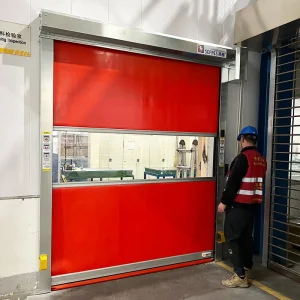
| Cycle Velocity | 0.25 - 0.4 m/s (Standard) | 0.8 - 2.5 m/s (High Speed) | 0.15 - 0.2 m/s | 0.1 - 0.2 m/s |
| Wind Load Resistance | Class 3 - Class 5 (High wind structures) | Class 1 - Class 2 (Requires reinforcement) | Class 2 - Class 3 | Class 3 - Class 4 |
| Lifespan (Cycles) | Up to 100,000 cycles | Up to 1,000,000 cycles | 20,000 - 50,000 cycles | 50,000 - 80,000 cycles |
Vertical lift doors are highly versatile and adapt easily to diverse industrial settings. Their designs can be optimized to meet the strict regulatory and environmental requirements of various sectors:
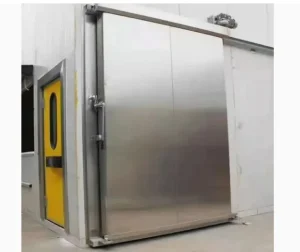
In cold-chain logistics, maintaining temperature control is essential to preserve product safety and comply with global regulatory standards. Energy-efficient cold storage doors prevent cold air escape, minimize frost accumulation along guides, and optimize heat transfer. Standard configurations utilize high-grade stainless steel hardware, integrated heating cables in track profiles, and double-lip perimeter EPDM seals to guarantee a complete airtight barrier.
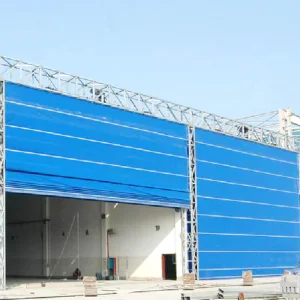
Aerospace hangars require massive openings to accommodate large wingspans, necessitating doors with exceptional wind load resistance. Custom-engineered vertical lift doors feature heavy structural steel wind-trusses, robust safety systems, and dual-run cables. These panels can lift as a single unit or split into interlocking sections, providing flexible clearance heights that improve facility security and energy efficiency.
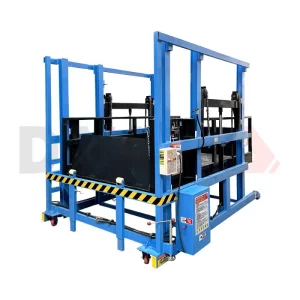
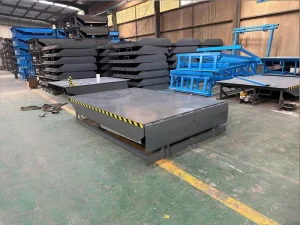
High-volume distribution hubs demand fast, reliable operation at every loading bay. Integrating vertical lift doors with dock levelers, inflatable shelters, and intelligent traffic light systems streamlines logistics workflows. The door controls can be linked to the dock leveler, preventing the leveler from operating until the door is fully raised, thereby minimizing mechanical damage and improving worker safety.
Navigating global regulatory compliance is essential for successful international installations. Leading Chinese manufacturers design their vertical lift doors to meet key global standards, including **CE marking** (EN 13241-1) for Europe, and **UL certification** for electrical drives and safety panels in North America. These quality assurance steps guarantee smooth customs clearance and compliant installation on site.
Additionally, ocean transport requires high-quality packaging to prevent damage. Door panels are packed in customized, export-grade wooden cases and secured with moisture-barrier films to prevent corrosion during sea transit. Hardware packs, springs, and motor kits are individually boxed and coded, ensuring clear organization and straightforward installation when the shipment arrives at your facility.
Dongguan Gerald Doors Co., Ltd. is a leading China garage door manufacturer specializing in residential, commercial, and industrial door solutions for customers worldwide. With a strong focus on quality, innovation, and reliability, Gerald Doors provides a comprehensive range of entrance and access systems designed to meet the needs of modern buildings, warehouses, logistics centers, factories, and residential properties.
Our product portfolio includes residential garage doors, commercial garage doors, industrial overhead doors, sectional doors, roller shutter doors, high-speed doors, fire-rated doors, security doors, and customized access solutions. Engineered with premium materials and advanced manufacturing technologies, our products are designed to deliver superior durability, safety, energy efficiency, and long-term performance in diverse operating environments.
At Gerald Doors, we understand that every project has unique requirements. Our experienced engineering and production teams work closely with customers to develop tailored solutions that match specific dimensions, operational needs, architectural styles, and performance standards. From design and manufacturing to quality control and delivery, we maintain strict production processes to ensure consistent product excellence.
Serving clients across North America, Europe, the Middle East, Southeast Asia, and other global markets, Gerald Doors has built a reputation for dependable products, responsive customer service, and competitive manufacturing capabilities. We continuously invest in research and development to improve product functionality, automation technologies, and smart access solutions that support the evolving demands of residential and industrial applications.
Driven by a commitment to quality and customer satisfaction, Dongguan Gerald Doors Co., Ltd. strives to be a trusted global partner for innovative, secure, and high-performance door systems.
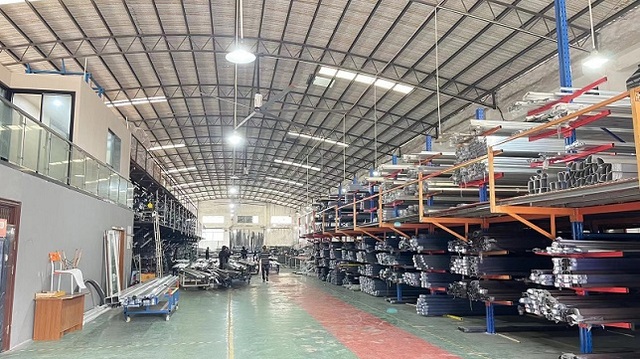
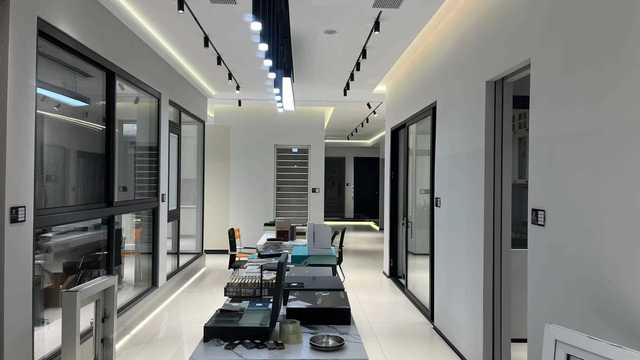
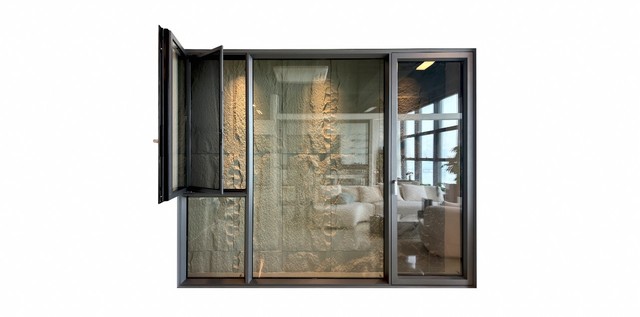
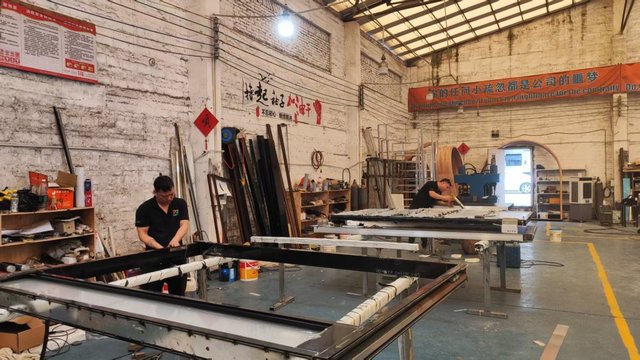
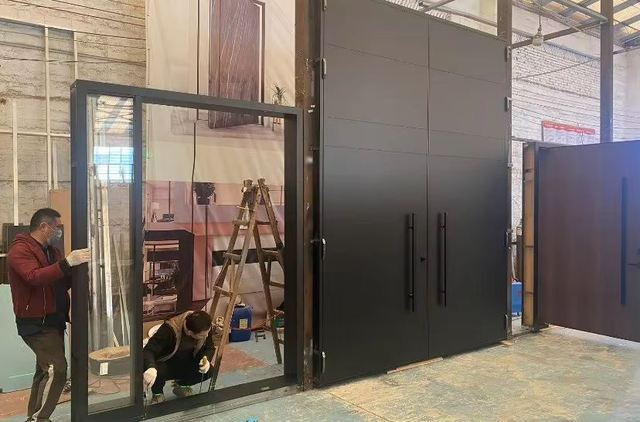
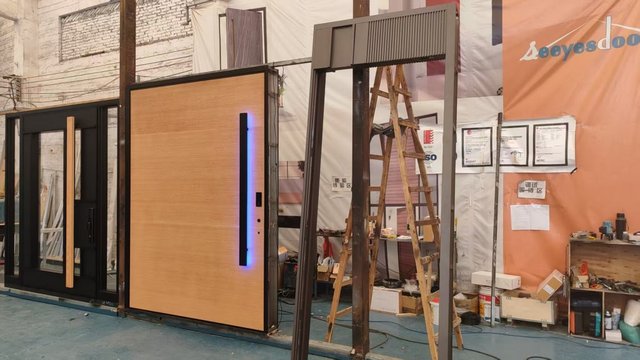
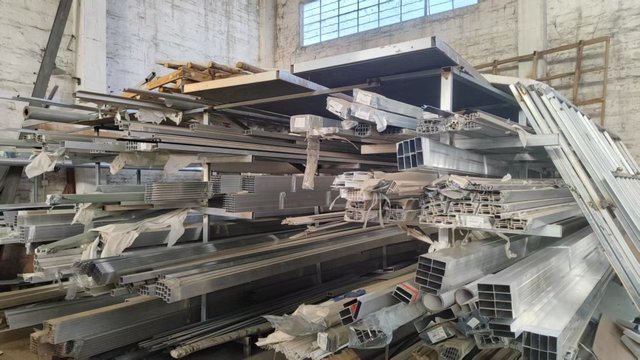
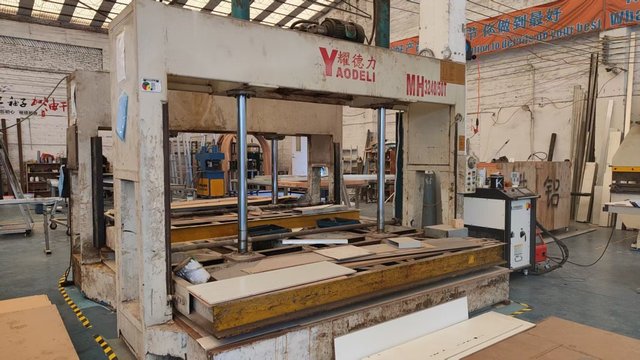
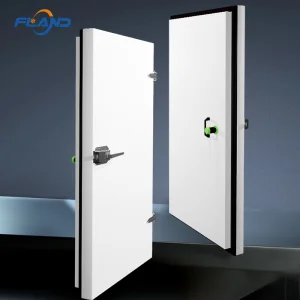
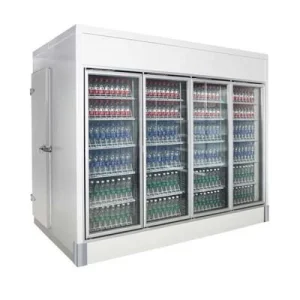
Discover our range of cold room doors, structural hardware accessories, rapid PVC rolling shutters, and smart automation systems designed for maximum energy efficiency.
 Gerald Doors