Explore high-performance automatic entry systems engineered for modern residential and industrial smart integration
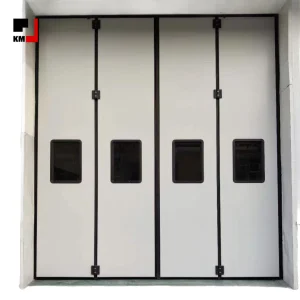
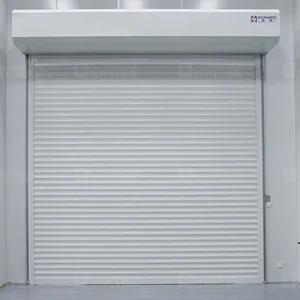
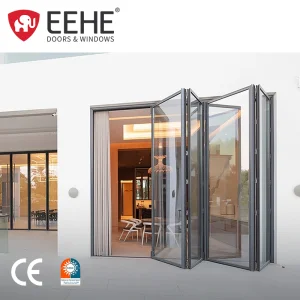
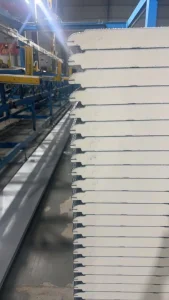
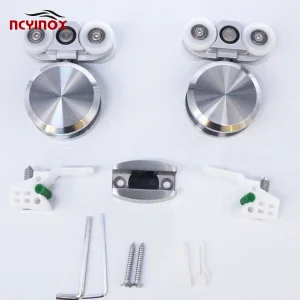
In the era of Semantic Search and advanced IoT security networks, smart locks are no longer isolated digital hardware components. They are structural anchor points in high-security environments. Global procurement standards demand a rigorous examination of how mechanical hardware interfaces with encrypted firmware. Leading manufacturers like Dongguan Gerald Doors Co., Ltd. have bridged this gap by combining physical durability (such as windproof sectional panels, fire-resistant rolling alloys, and sound-insulating profiles) with automated electrical drives and cutting-edge digital locking technologies.
According to Google's Search Quality Rater Guidelines, establishing **Experience, Expertise, Authoritativeness, and Trustworthiness (E-E-A-T)** requires transparent technical analysis of the engineering ecosystem. True smart lock technology relies heavily on robust motor control systems, high-cycle heavy-duty hinges, and precision-engineered access points. When procuring hardware for villas, large-scale medical facilities, logistics cold chains, or aviation hangars, purchasing directors must scrutinize the compatibility between smart credentials (RFID, biometric, BLE, and UWB) and physical structural resistance.
Understanding the core technologies utilized by top manufacturers is critical to selecting the correct OEM/ODM partner. Here, we analyze the top ten structural and digital lock technologies integrated into high-quality factory facilities.
Ultra-Wideband (UWB) chips calculate the exact time-of-flight (ToF) for spatial localization, offering hands-free and secure access control, highly resistant to relay spoofing attacks.
The emerging IP-based networking protocol standardizing smart home hardware. Direct, decentralized connectivity that allows locks to interact with garage doors and controllers locally without cloud dependency.
Integrated Secure Elements (SE) with military-grade EAL6+ encryption keys embedded directly in the lock's circuit board. Protects against remote hacking and local physical side-channel attacks.
Battery-free technologies that harness micro-movements of physical handles to generate electrical current. Ideal for remote infrastructure warehouses and emergency fire escapes.
Infrared projection mapping of facial topography or palm vein scanning. Immune to photo/video spoofing, operating in total darkness for high-security commercial facility main entrances.
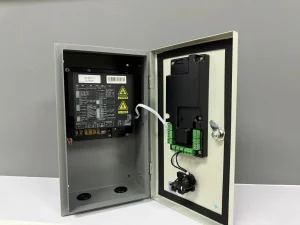
Integrated physical latch systems engineered directly into sliding or overhead industrial steel doors. Dynamically driven by advanced 1.5 Kw motor controllers to lock massive architectural frames.
Other key trends include Narrowband IoT (NB-IoT) connectivity for nationwide infrastructure deployments, **Decentralized One-Time Password (OTP)** mathematical algorithms for offline access permission, and **BLE/Wi-Fi hybrids** designed to toggle power states dynamically based on immediate distance metrics.
To understand the application of smart locks, one must look at the physical doors containing them. Dongguan Gerald Doors Co., Ltd. is a leading China door manufacturer specializing in residential, commercial, and industrial solutions for customers worldwide. Based in the industrial hub of Dongguan, China, the company engineers physical access frameworks that support smart automated lock mechanisms.
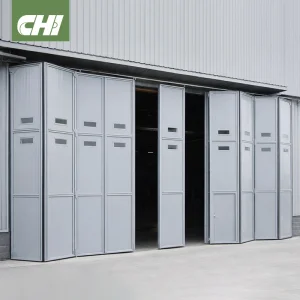
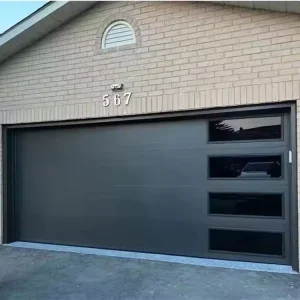
The product portfolio covers residential garage doors, commercial garage doors, industrial overhead doors, sectional doors, roller shutter doors, high-speed doors, fire-rated doors, and customized security doors. By coupling premium raw materials with high-cycle motorized control systems (such as their 1.5 Kw servo motors), Gerald Doors provides physical frames capable of resisting unauthorized intrusion, mechanical fatigue, and harsh environments.
Operating strict quality control measures across its manufacturing lines, Gerald Doors ensures each custom architectural solution fits standard and smart electronic hardware configurations seamlessly, aligning lock performance with frame structural ratings.
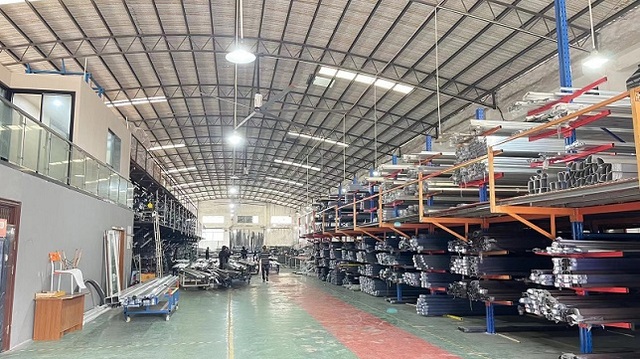
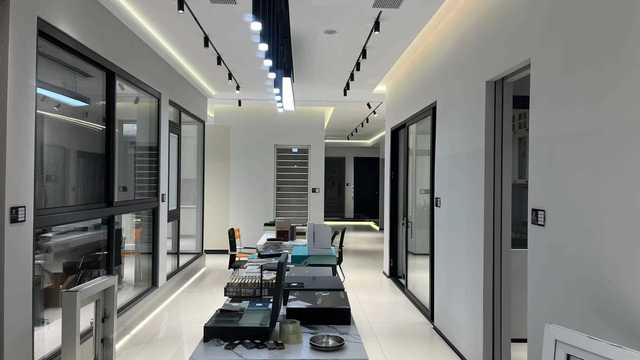
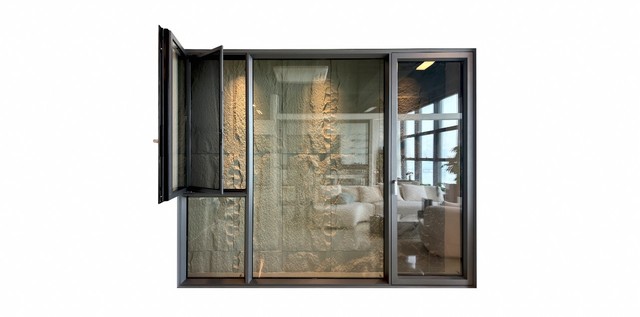
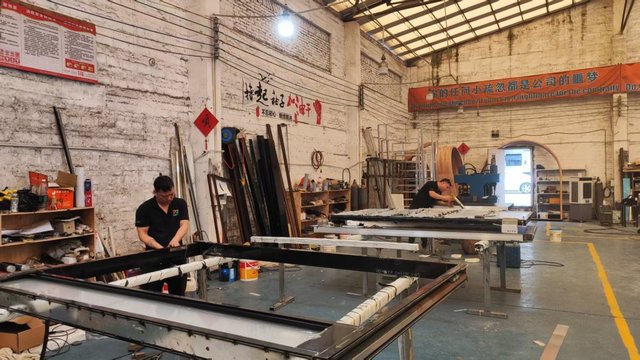
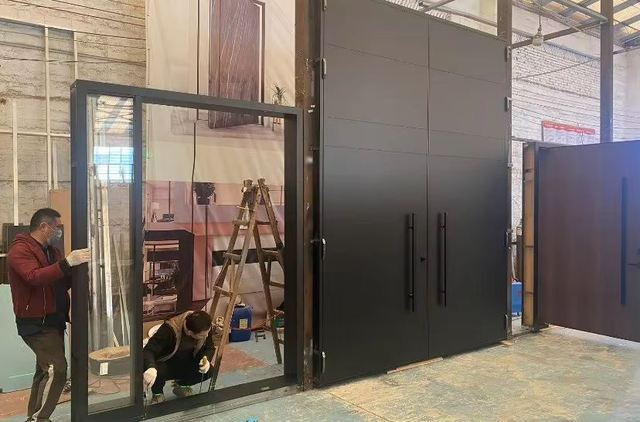
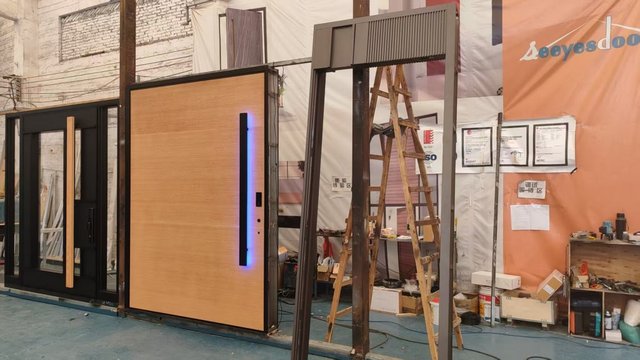
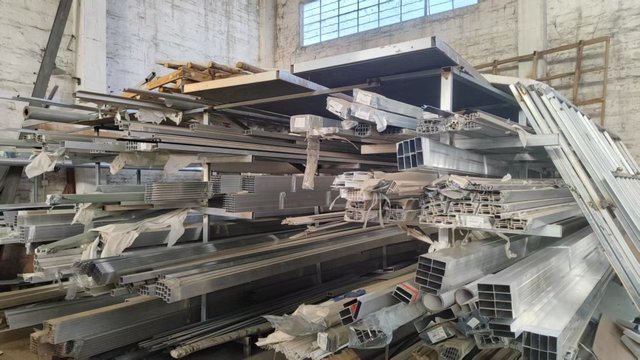
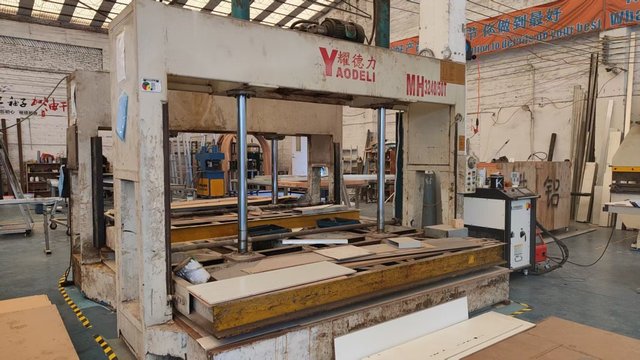
China represents over 70% of the world's smart lock manufacturing capacity. This dominance is not based purely on labor cost, but rather on deep structural supply chain integration. The Greater Bay Area (Dongguan, Shenzhen, Guangzhou) houses a dense concentration of precision casting foundries, electronic assembly houses, software engineers, and test laboratories.
For enterprise buyers, compliance is critical. A smart lock system cannot be deployed unless it satisfies municipal building safety regulations, electromagnetic compliance, and fire codes in the destination country.
ANSI/BHMA A156.25: Dictates the electromechanical requirements for cabinet and architectural locks.
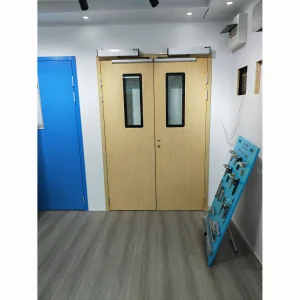
UL 10C: Fire tests of door assemblies. Highly critical when combining smart locks with fire-rated steel hospital or emergency escape doors.
EN 14846: Assesses electromechanically operated locks and locking plates for security, strength, and durability.
CE / RoHS: Ensures compliance with electromagnetic emissions rules and restricts hazardous materials in smart PCBs.
Deploying smart locks requires analyzing the exact environment where they will function. Different industries present unique mechanical and digital entry challenges:
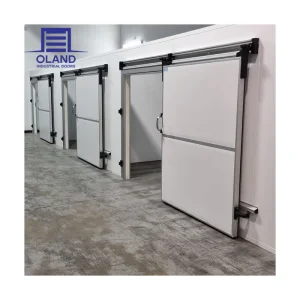
In cold-chain warehousing, doors must prevent thermal transfer. Smart lock systems must operate reliably at -25°C without battery failure or mechanical binding. High-torque motorized magnetic systems integrate with automatic closing steel refrigerator freezer doors to minimize thermal loss.
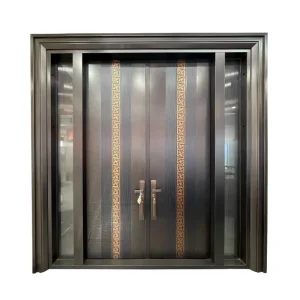
Modern residences require seamless integration. Glass garage doors and cast aluminum mansion entry doors are equipped with UWB and 3D face recognition. If a vehicle approaches, the garage door unlocks and lifts automatically using dynamic drive controllers synced with the home automation network.
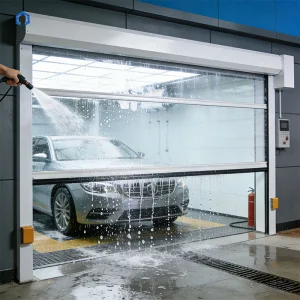
Automated pharmaceutical and electronics factories utilize high-speed PVC rolling doors. Access is controlled by motion sensors and contactless RFID locks. Interlocking program loops prevent consecutive doors from opening simultaneously, maintaining negative or positive air pressure gradients.
Premium hardware solutions and industrial components designed for demanding access conditions
 Gerald Doors