Explore our flagship high-performance structural systems, custom engineered for commercial, industrial, and heavy-duty logistics applications.
In modern architectural engineering, entry and exit interfaces are no longer merely functional boundaries; they are highly integrated, intelligent mechanical systems. Choosing the correct OEM/ODM Aluminum Door Solutions involves balancing structural design calculations, wind load resistance, thermal insulation metrics, and cycle lifespan parameters. As a premier China garage door manufacturer and exporter, Dongguan Gerald Doors Co., Ltd. delivers engineered systems configured for the rigorous operational environments of heavy industrial distribution nodes, cold chains, architectural facades, and luxury smart residential complexes.
Strategic Growth Director's Note on E-E-A-T & Google Semantic Search: Today's building procurement workflows require verified data. Rather than using generic marketing buzzwords, our technical documentation details specific thermal performances (U-factors), mechanical fatigue ratings (EN standards), and exact alloy tempers. This transparent information design ensures both construction engineering approval and premium search prominence.
Dongguan Gerald Doors Co., Ltd. specializes in commercial, industrial, and residential door solutions for global projects. With a focus on quality, innovation, and reliability, we provide high-performance systems for modern buildings, distribution facilities, factories, and residential properties. Our portfolio includes sectional doors, industrial overhead doors, high-speed shutters, fire-rated units, and smart entry access systems engineered to deliver safety and longevity.
High-efficiency entrance solutions are designed through rigorous material science. Below is our structural framework outlining core mechanical properties.
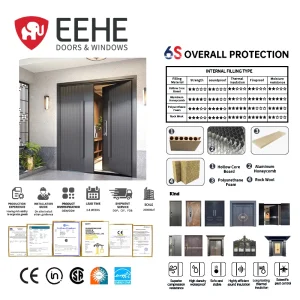
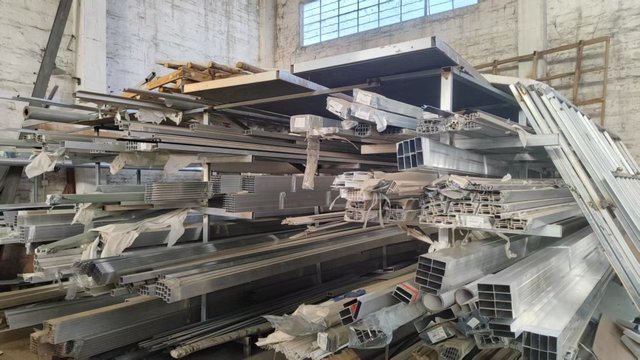
We use extruded aluminum alloys of grade 6063-T6. This material provides tensile strength up to 230 MPa, ensuring structural stability under high wind pressures and building movements.
Polyamide thermal breaks (PA66 GF25) coupled with polyurethane foam insulation minimize thermal transfer, assisting projects in achieving low U-values and reducing energy losses.
Surface treatments comply with Qualicoat and AAMA 2604/2605 requirements. Features include high UV resistance and salt spray protection for coastal and industrial environments.
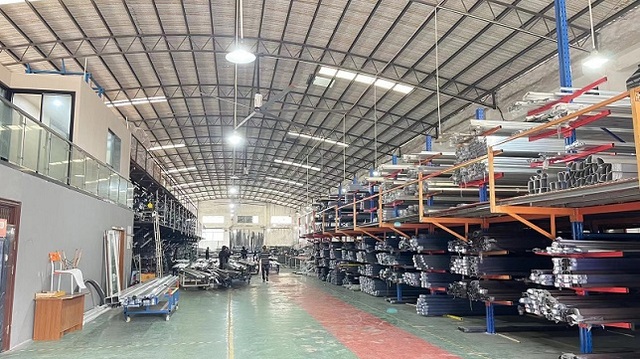
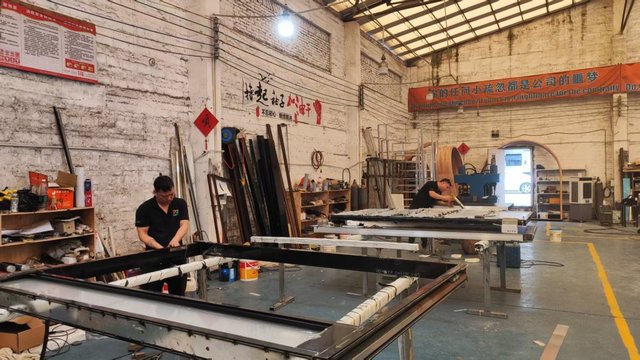
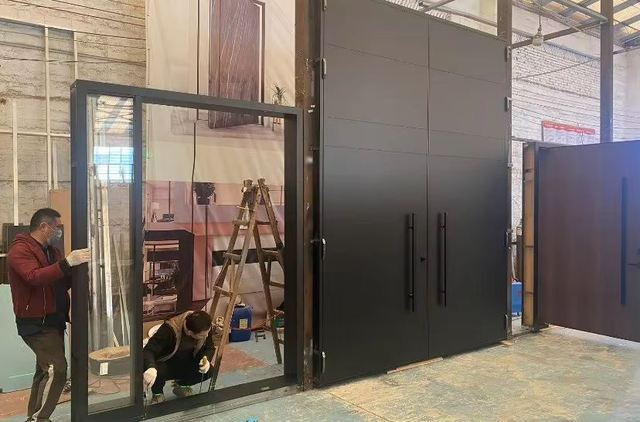
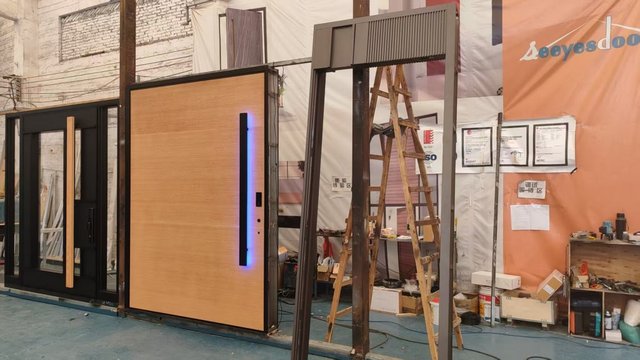
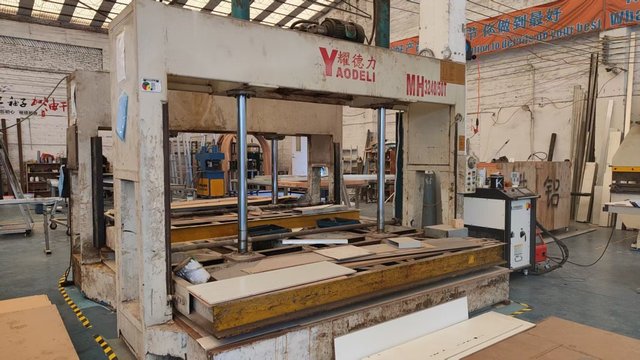
Operating out of Dongguan's industrial manufacturing corridor, Dongguan Gerald Doors Co., Ltd. implements a Factory 4.0 production framework. This facility integrates automated structural assembly lines, precision CNC machining, and computer-controlled polyurethane injection. These processes support consistent structural assembly tolerances within ±0.5mm across all large sectional and rolling door lines.
This automated workflow is complemented by a complete testing protocol. Every customized structural framework, whether configured for cleanroom high-speed operation or commercial full-view glass sectional requirements, is tested for dynamic balancing, motor limit alignment, and seal compression. This engineering rigor provides stable global shipping, allowing the units to install on-site with minimal field adjustments.
Tailored configurations built to optimize facility efficiency, minimize energy transmission, and provide structural protection.
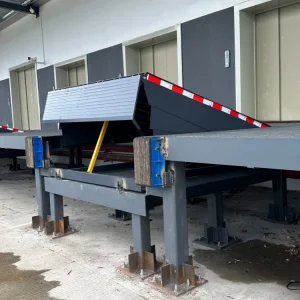
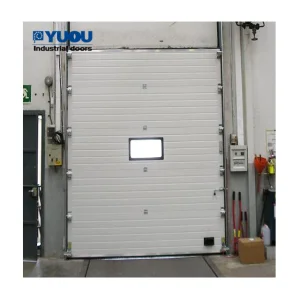
For modern logistics warehouses, we design complete entrance assemblies that integrate sectional overhead panels, rapid-cycle vertical fabric doors, and heavy-duty dock leveling equipment. By minimizing cycle times, this equipment reduces air infiltration and improves material handling efficiency.
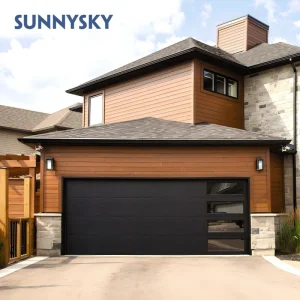
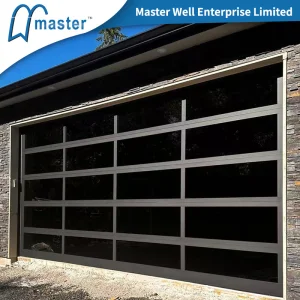
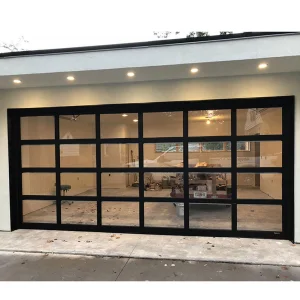
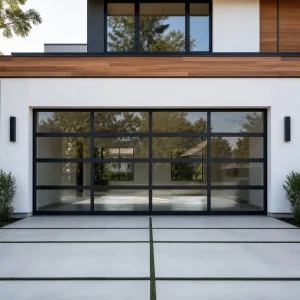
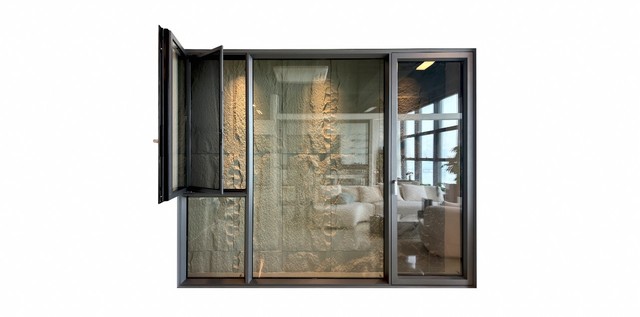
Our structural aluminum glass overhead doors combine modern style with structural stability. They feature large glazed surfaces made of tempered or insulated double-glazed units, providing natural light, views, and structural security for automotive showrooms and public venues.
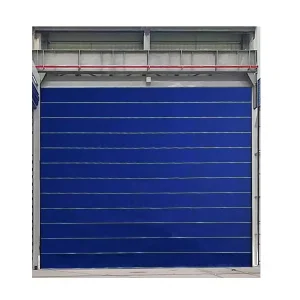
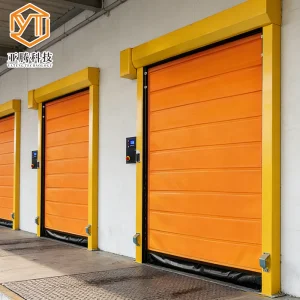
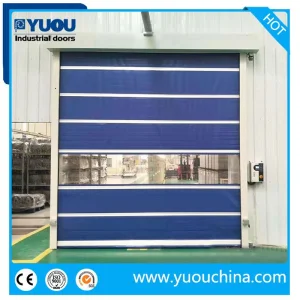
In high-speed logistics and temperature-controlled food processing facilities, zipper-equipped rapid-roll PVC doors and insulated sliding barriers maintain required thermal and pressure gradients. Fast cycle speeds reduce moisture entry and operational energy consumption.
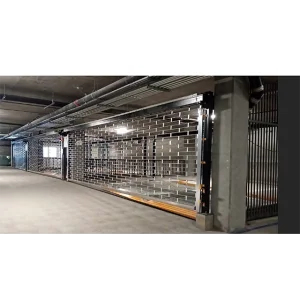
Our heavy-duty steel and aluminum rolling shutters and large stacking hangar doors are designed for large openings subject to strong winds, such as aviation hangars, shipyards, and heavy industrial facilities. These structures are built to withstand severe weather and seismic forces.
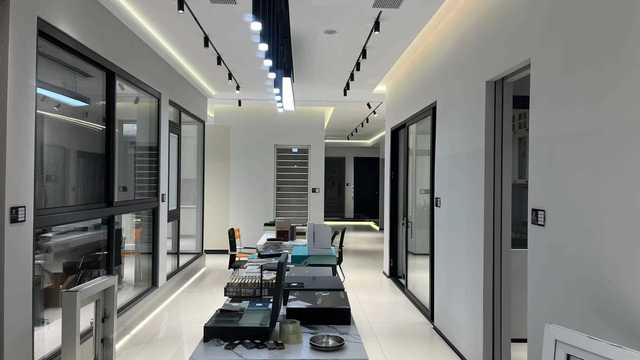
A transparent view of Dongguan Gerald Doors Co., Ltd.'s manufacturing facilities, structural components, and custom engineering capabilities.
The entrance system sector is shifting toward digital and ecological integration. In response, our research and development programs focus on three primary technological areas:
Navigating global building regulations requires detailed, verified compliance documents. Dongguan Gerald Doors Co., Ltd.'s product lines are tested and certified under various international standards, including:
A resource for procurement agents, MEP engineers, and project managers looking to source custom industrial and commercial doors.
From industrial-grade cold-room zipper entries to luxury architectural entry systems, view our complete production lineup.
 Gerald Doors