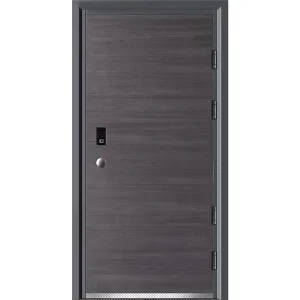
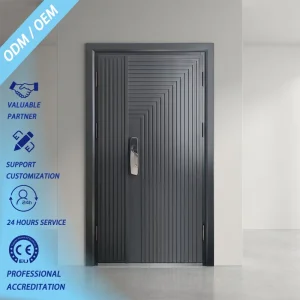
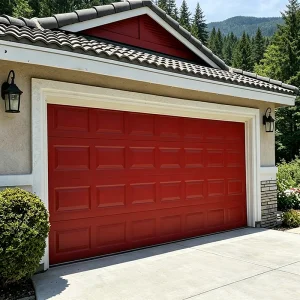
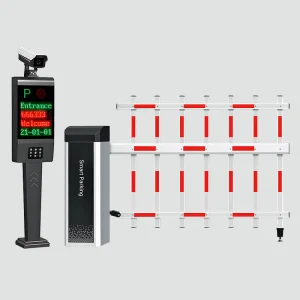
Engineered high-performance door systems and automated security portals optimized for modern architectural layouts and heavy-duty industrial use.
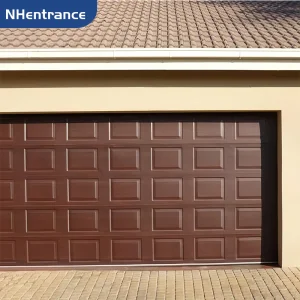
The global industrial storage, cold chain logistics, and supply chain infrastructure markets are undergoing a significant technological transformation. In an era dominated by rapid e-commerce expansion, automated distribution systems, and stringent energy efficiency mandates, the humble warehouse door has evolved from a simple physical barrier into a highly engineered, dynamic automation node. Today's commercial distribution hubs demand smart entrance systems that minimize thermal exchange, withstand high-velocity wind loads, and support million-cycle service lifetimes without mechanical failure.
From high-speed roll-up doors to heavy-duty sectional overhead systems, manufacturers are utilizing high-density insulated polyurethane infills, structural aluminum alloys, and integrated IoT monitoring solutions. These advancements directly address the primary challenges faced by modern warehouse operators: minimizing HVAC loss, enhancing forklift transit efficiency, maintaining strict cleanroom parameters (e.g., in pharmaceutical or electronics assembly facilities), and preventing unauthorized breaches. Global export patterns indicate a dramatic surge in demand for Chinese-manufactured door systems, as specialized factories consistently close the gap in high-precision engineering while maintaining competitive manufacturing advantages.
Energy Decarbonization: Stricter green building codes (like LEED and BREEAM) require warehouse outer envelopes to minimize thermal bridging. High-performance insulated sectional panels are now a necessity.
Operational Automation: The rise of Automated Guided Vehicles (AGVs) and Autonomous Mobile Robots (AMRs) requires doors integrated with smart PLCs and radar triggers to open and close in milliseconds.
Thermal Conductivity (W/m·K)
Rigorous CE & ISO Testing
Standard High-Speed Velocity
Maintenance-free Cycles
Understanding the engineering standards, mechanical durability, and safety integrations that distinguish industrial-grade access solutions.
Our sectional and spiral doors use CFC-free polyurethane cores with a density of 40-45 kg/m³. Together with specialized thermal breaks and triple-lip EPDM rubber weather stripping, they significantly reduce thermal conductivity and lower heating/cooling costs in climate-controlled environments.
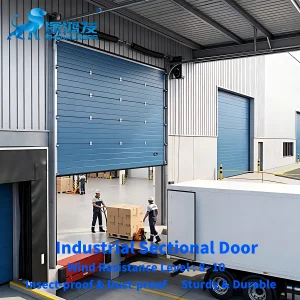
Built with high-strength double-layer hot-dipped galvanized steel panels, these systems are engineered to withstand extreme wind conditions (Class 3 to Class 5 wind resistance under EN 12424 standards). Excellent choice for coastal installations and typhoons/hurricane-prone zones.
Integrated with high-torque, variable-frequency motors (from 0.75kW up to 2.2kW systems) linked with precise PLC control panels. This allows smooth acceleration, soft-stop mechanics, and direct integration with fire alarms, safety loops, and motion sensors.
| Door System Category | Material Core / Gauge | Operating Speed | U-Value / Thermal Perf. | Ideal Application |
|---|---|---|---|---|
| Industrial Sectional Doors | Double-skin steel (0.5mm) + PU foam (40mm) | 0.2 - 0.4 m/s | U ≤ 1.2 W/(m²·K) | Loading Docks, Dry Storage, Heavy Distribution |
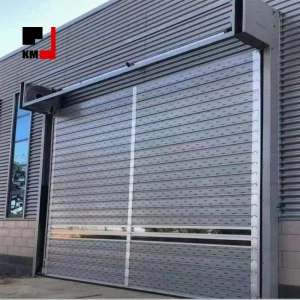
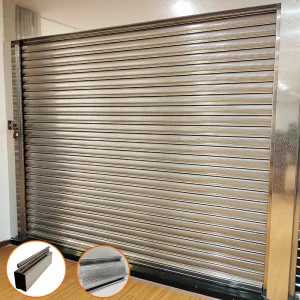
| High-Speed Spiral Doors | Extruded Aluminum + Double Insulated Laths | Up to 1.5 - 2.0 m/s | U ≤ 1.5 W/(m²·K) | High-throughput Entrances, Secure Bays |
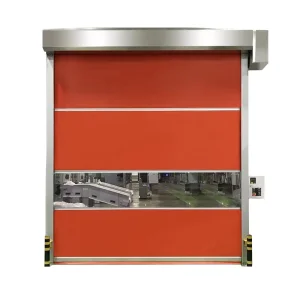
| High-Speed PVC Doors | Reinforced PVC curtain (0.8mm - 1.5mm) | Up to 2.0 m/s | Non-insulated (Wind resistant fabric) | Cleanrooms, Food Processing, Inner Subdivisions |
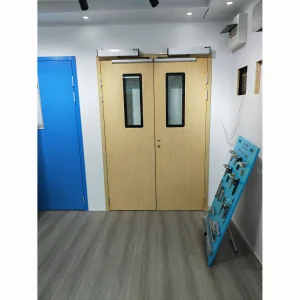
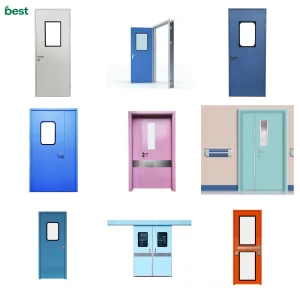
| Fire-Rated Steel Doors | Galvanized Steel + Rockwool Infill | Manual / Gravity Drop Fail-safe | Up to 90 min / 120 min rating | Hospital Exits, Safe Passages, Storage Divides |
Providing specialized access installations that comply with international regulatory frameworks and performance standards.
Cold chain facilities require minimal temperature variation during cargo transfer. The integration of high-speed insulated spiral doors combined with heavy-duty dock shelters ensures that refrigerated vehicles form an airtight seal before the industrial overhead doors open. This thermal barrier prevents ice buildup, saves energy, and preserves fresh produce or pharmaceutical cargo.
Pharmaceutical and high-tech electronics plants require strict control of airborne particulate concentrations. High-speed PVC doors with airtight side guides and electric soft-curtain lifters ensure that pressure drops between rooms are minimized, preventing cross-contamination during personnel and vehicle movement.
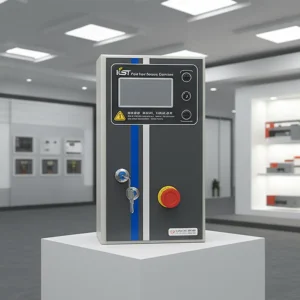
Specialized environments like airport hangars, terminal baggage centers, and customs areas require highly reliable door systems. Our 0.75kw Intelligent Industrial Door Management Systems are designed specifically for these high-demand applications. They feature structural reinforcements and automated status monitoring to ensure continuous operation under constant load.
Modern industrial facilities depend on seamless system integration. Gerald Doors products are engineered to connect with modern Building Management Systems (BMS). Using Modbus or Profinet communication protocols, our control systems send real-time data on cycle counts, motor temperatures, and obstruction detections back to your central control panel. This allows maintenance teams to schedule predictive service before a mechanical breakdown occurs.
Furthermore, as sustainability gains priority in global infrastructure projects, our thermal engineering is designed to help projects earn green building certifications. By incorporating thermal breaks, low-emissivity surface coatings, and fast opening speeds, our warehouse door systems minimize the energy load on HVAC systems, supporting net-zero targets in logistics hubs worldwide.
Dongguan Gerald Doors Co., Ltd. is a leading China garage door manufacturer specializing in residential, commercial, and industrial door solutions for customers worldwide. With a strong focus on quality, innovation, and reliability, Gerald Doors provides a comprehensive range of entrance and access systems designed to meet the needs of modern buildings, warehouses, logistics centers, factories, and residential properties.
Our product portfolio includes residential garage doors, commercial garage doors, industrial overhead doors, sectional doors, roller shutter doors, high-speed doors, fire-rated doors, security doors, and customized access solutions. Engineered with premium materials and advanced manufacturing technologies, our products are designed to deliver superior durability, safety, energy efficiency, and long-term performance in diverse operating environments.
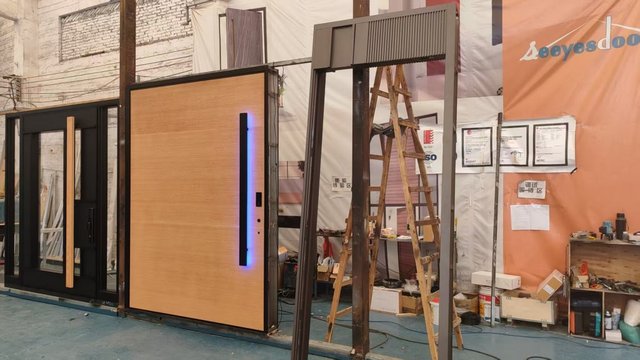
At Gerald Doors, we understand that every project has unique requirements. Our experienced engineering and production teams work closely with customers to develop tailored solutions that match specific dimensions, operational needs, architectural styles, and performance standards. From design and manufacturing to quality control and delivery, we maintain strict production processes to ensure consistent product excellence.
Serving clients across North America, Europe, the Middle East, Southeast Asia, and other global markets, Gerald Doors has built a reputation for dependable products, responsive customer service, and competitive manufacturing capabilities. We continuously invest in research and development to improve product functionality, automation technologies, and smart access solutions that support the evolving demands of residential and industrial applications.
Driven by a commitment to quality and customer satisfaction, Dongguan Gerald Doors Co., Ltd. strives to be a trusted global partner for innovative, secure, and high-performance door systems.
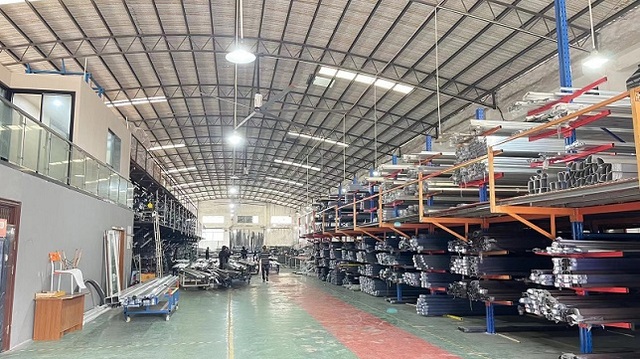
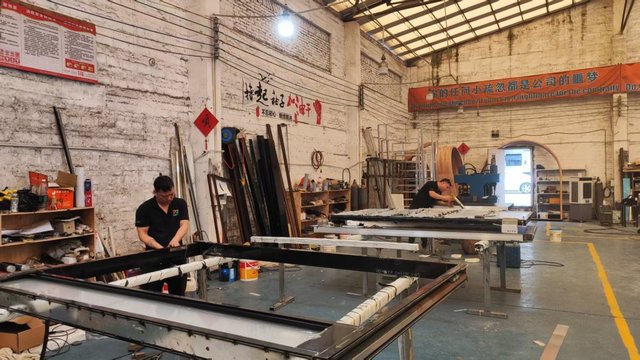
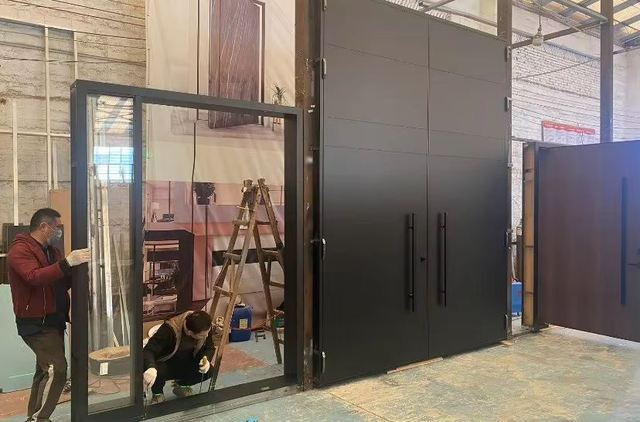
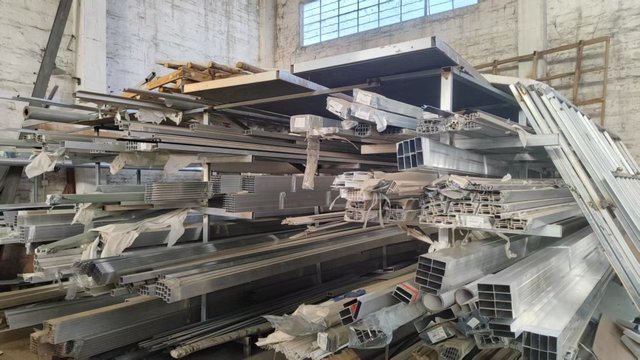
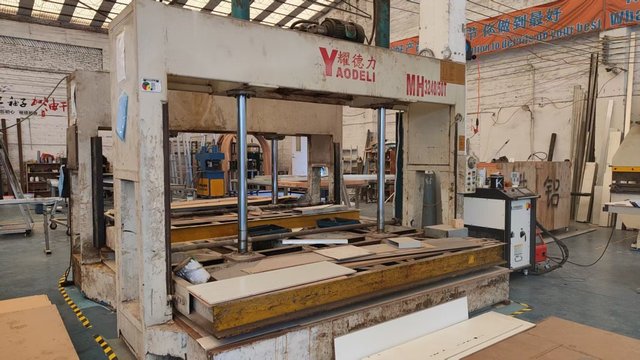
Our facility utilizes precision profiling and continuous polyurethane injection foaming lines to ensure uniform density, dimensional stability, and consistent thermal performance across all panels.
Every batch undergoes strict testing, including wind tunnel assessments, mechanical cycle tests, flame retardancy validation, and infrared thermography analysis for heat leakage.
We offer full support for international architectural specifications, including BIM models, custom dimensions, wind-load documentation, and voltage/frequency configuration adaptations for regional power grids.
The path toward intelligent, carbon-neutral, and safety-integrated access portals.
Integration of dynamic PLC processors running machine learning models locally on the door unit, adjusting operating speeds dynamically based on approach velocities.
Formulating eco-friendly insulation cores using blowing agents with ultra-low Global Warming Potential (GWP) to support LEED building certifications.
Replacing traditional single-point photocells with 3D LiDAR arrays and optical light curtains. This provides reliable safety margins for mixed human-robot industrial zones.
Cloud-based health monitoring networks that track motor winding temperatures, gear friction coefficients, and spring tension degradation in real time.
Answers to common structural, environmental, and mechanical integration questions from project engineers and buyers.
The overall R-value depends on the thickness of the panel, the density of the polyurethane injection foam core, and the design of the joint seals. A standard 40mm sandwich panel typically provides a thermal transmittance (U-value) of around 1.2 W/(m²·K). High-density cores (45 kg/m³) coupled with thermal breaks between the inner and outer steel skins prevent thermal bridging, keeping cold air contained within refrigerated bays.
Wind load rating dictates how much external wind pressure a door can handle without coming off its tracks or suffering structural failure. Under EN 12424, doors are rated from Class 1 to Class 5. For hurricane/typhoon-prone areas, sectional doors are built with structural wind ribs, heavy-duty rollers, and reinforced tracking profiles. This allows them to withstand structural loads exceeding 1.2 KPa (Class 4/5).
Yes. Our door systems are equipped with programmable PLC control interfaces (such as 0.75kw Intelligent Management Systems). These allow integration with AGVs, AMRs, and facility logistics networks. Using digital safety relays or industrial communications protocols, the door coordinates with the automated vehicle: opening quickly as it approaches and closing securely immediately after it passes.
Safety is critical in high-speed systems. Typical safety measures include light-curtain optoelectronic grids, bottom safety edges (which reverse the motor instantly if they contact an obstacle), wireless safety sensors, and emergency manual release chains. These features prevent injuries to workers and avoid damage to forklifts and cargo during transit.
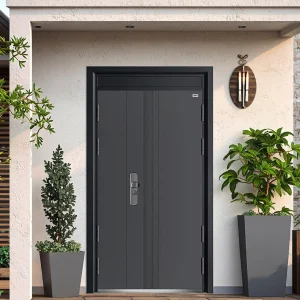
Heavy-duty commercial access portals, specialized fire exit closures, and automated structural barriers engineered for modern global infrastructure.
 Gerald Doors