Premium solutions engineered for safety, speed, structural integrity, and architectural integration
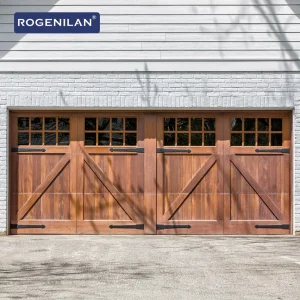
In the contemporary landscape of architecture, logistics, and industrial infrastructure, entrance access systems represent far more than simple spatial boundaries. They constitute the critical physical threshold that regulates microclimatic conditions, guarantees physical security, controls traffic dynamics, and achieves localized energy efficiency. As global supply chains consolidate and urban complexes scale, the requirement for robust, highly responsive, and structurally certified access assemblies has escalated.
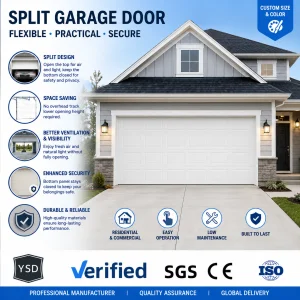
Dongguan Gerald Doors Co., Ltd. stands at the forefront of this industrial transition as a premier China garage door manufacturer and exporter. Based in the manufacturing hub of Guangdong, the company leverages cutting-edge CNC profiling, structural steel design, smart automation mechanisms, and premium surface engineering to deliver solutions that reconcile localized building regulations with exceptional industrial performance. From automated overhead sectional doors to rapid-insulation zipper barriers, their multi-tiered product line accommodates structural resilience, fire safety, windload protection, and smart motor drive intelligence.
Modern commercial facilities present multifaceted entry challenges that standard doors cannot satisfy. Our systems are engineered to target four primary macro-industry sectors:
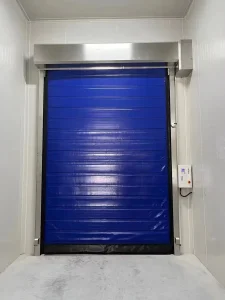
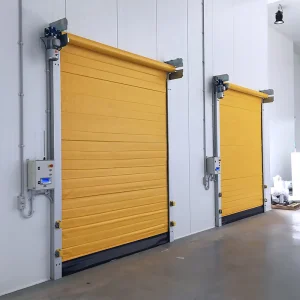
High-frequency operations demand speed, wind resistance, and zero downtime. Gerald Doors supplies fast-acting roll-up doors and automatic sectional dock doors that interface smoothly with mechanical loading docks and automated guided vehicles (AGVs), optimizing material handling cycles.
Thermal stability is vital for pharmaceutical and agricultural cold supply chains. Our custom PVC waterproof quick-zipper insulation doors maintain strict temperature separation, reducing HVAC losses. Rapid cycle intervals minimize structural thermal bridge transmissions.
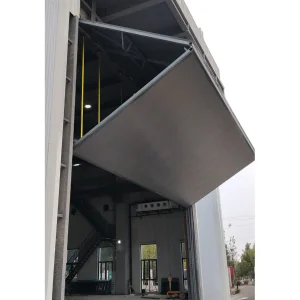
For large-scale hangars, structural airports, and manufacturing plants, our massive 25-meter pivot double-folding doors handle high wind loads and harsh environmental conditions using high-strength steel framing and custom counterbalanced drive networks.
Today's global access system market is shaped by urbanization, strict building energy codes (such as ASHRAE 90.1 and European EPBD standards), and the deployment of smart factories. Heavy industrial entities require entry barriers that actively prevent heat loss. As a result, the demand for insulated polyurethane sandwich panels has surged.
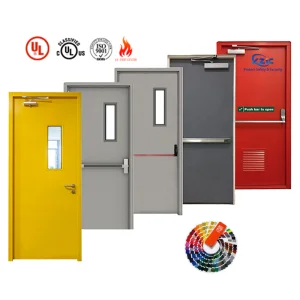
Furthermore, commercial building operators must address emergency safety and perimeter control simultaneously. This calls for fire-rated steel entry systems certified under international standards (such as Underwriters Laboratories - UL) to serve as both secure barriers and reliable emergency egress routes.
Designing and manufacturing access systems that exceed international building and environmental requirements
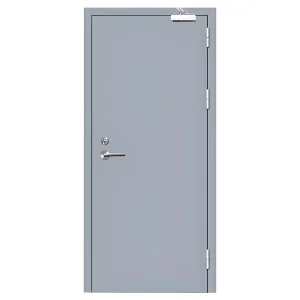
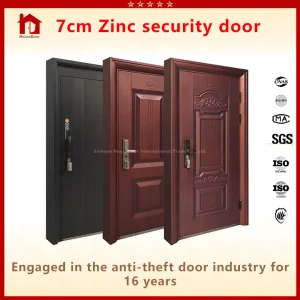
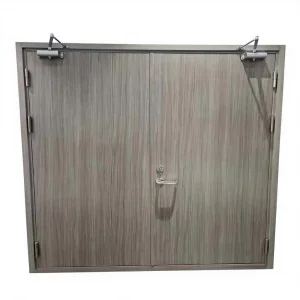
Fire safety requires rigorous, certified physical barriers. Gerald Doors manufactures heavy-duty fire-rated steel doors with wood grain finishes, mineral wool, or customized polyurethane insulation cores. These systems undergo strict thermal expansion testing and pressure validation, achieving structural integrity ratings that meet hospital, academic, and industrial exit standards.
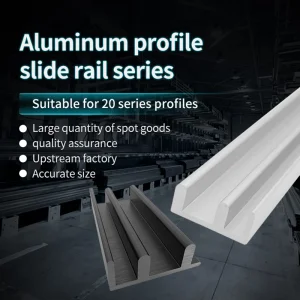
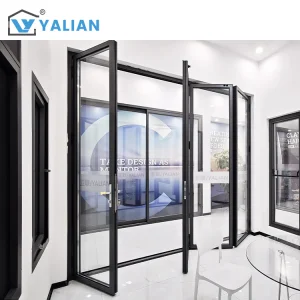
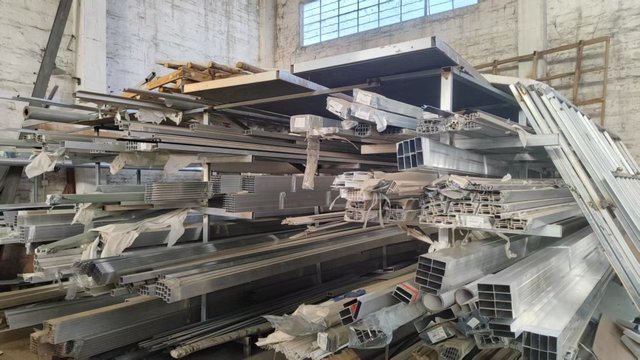
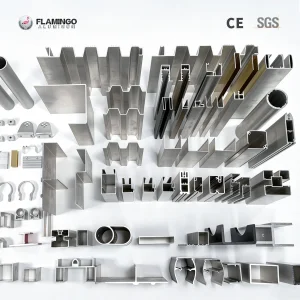
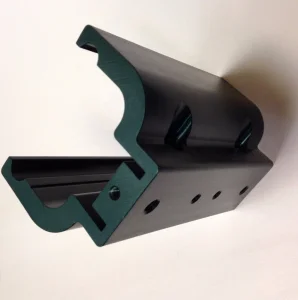
For smooth sliding and folding operations, structural track integrity is critical. Leveraging high-grade custom extruded aluminum profiles (primarily 6061 and 6063-T5 alloys), our track assemblies support high mechanical loads, resist bending, and remain highly corrosion resistant. Anodized surface finishes extend operational life in marine, coastal, and chemical production environments.
A look at the mechanical parameters and electrical hardware powering automated doors
At the core of high-speed industrial entryways is the drive motor system. Standard asynchronous motors struggle with the heat build-up of frequent starts and stops. To address this, our engineers developed the Advanced Smart Servo Drive. This system uses vector control parameters and absolute encoder positioning to deliver smooth acceleration curves, precise position control, and lower energy draw.
| System Component / Spec | Standard Configuration Options | Primary Application Benefits |
|---|---|---|
| Aluminum Sliding Track | 1530 / 3030 / 4040 / 5050 T-Slot Configuration | Modularity, high weight distribution capacity, smooth sliding action. |
| Insulated Core Insulation | High-density injected Polyurethane (CFC Free) | Thermal break protection, high R-values, sound dampening. |
| Servo Controller System | Permanent Magnet Synchronous Motor (PMSM) | Adjustable speed up to 2.0 m/s, overload protection, soft start/stop. |
| Glass Specifications | Double tempered glass, low-E coatings, Hurricane-proof PVB lamination | Impact resistance, energy conservation, excellent clarity. |
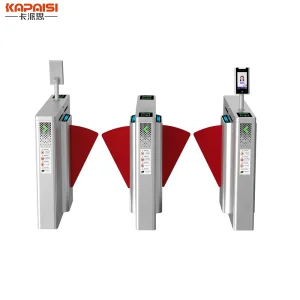
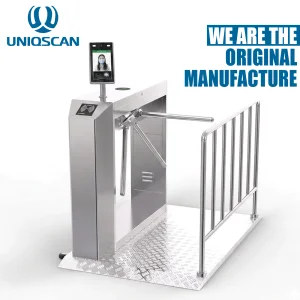
| Biometric Access Control | RFID / Fingerprint Recognition / Swing Flap Barriers | High-throughput crowd management, secure industrial entry. |
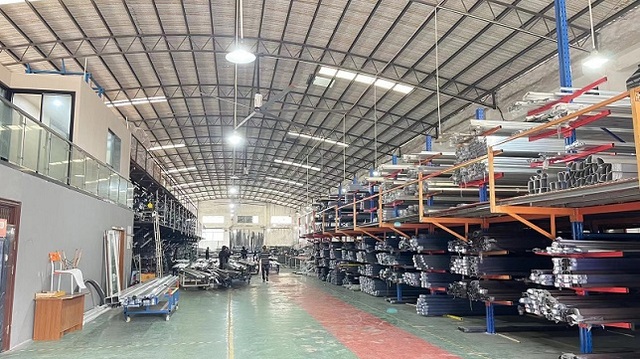
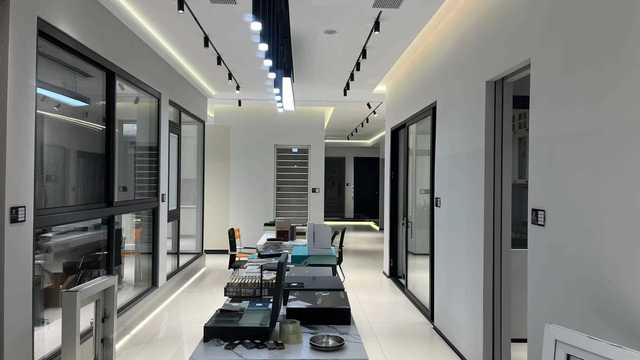
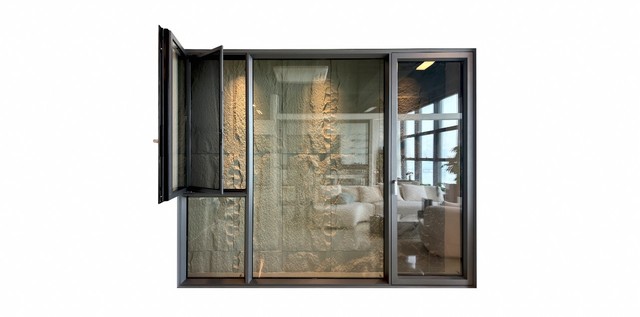
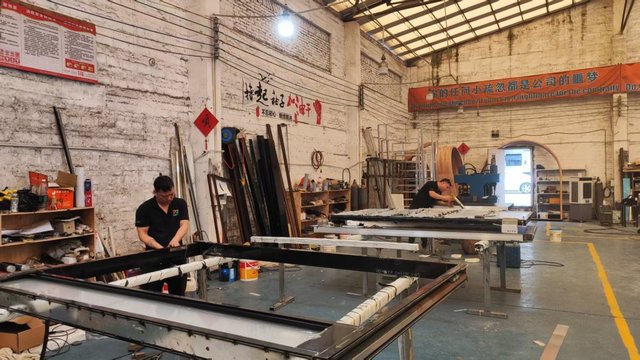
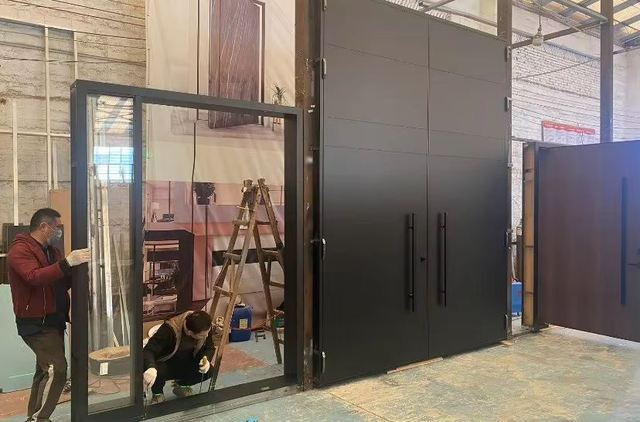
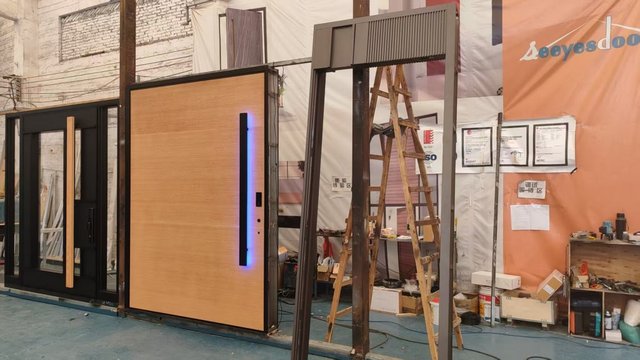
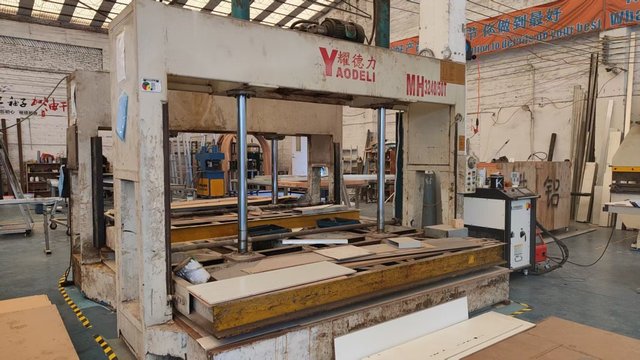
A visual insight into the high-performance fabrication workshops, materials storage, and assembly lines at Dongguan Gerald Doors Co., Ltd.
How IoT integration and advanced material science are shaping the next generation of building access points
Future drive modules will feature built-in vibration and speed sensors. By tracking torque deviations, the system detects roller wear or track alignment issues before failure occurs, alerting facility managers via Modbus or Ethernet protocols.
By optimizing the fit of thermal breaks in sectional panels and upgrading structural seal materials, our next-generation entries will play a direct role in minimizing building carbon footprints, supporting LEED Platinum certification targets.
We are incorporating advanced biometric turnstiles and long-range secure RFID tracking. This allows facilities to seamlessly manage access clearances for personnel and equipment in real time, from a single web-based dashboard.
Detailed engineering answers regarding customization limits, windload standards, and shipping procedures
Advanced commercial enclosures, structural extrusions, and biometric access mechanisms
 Gerald Doors