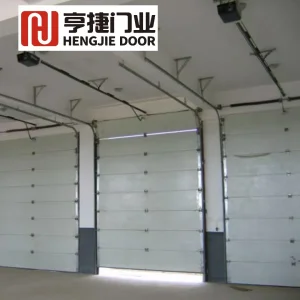
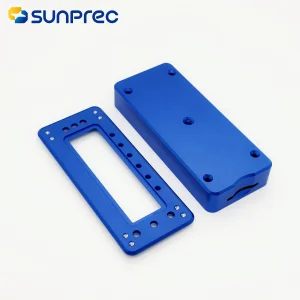
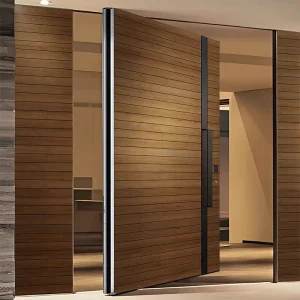
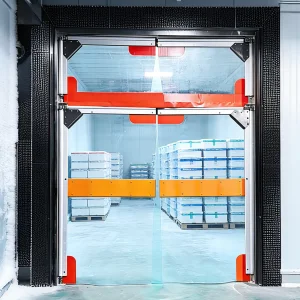
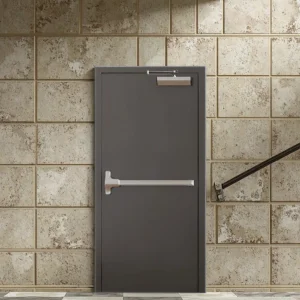
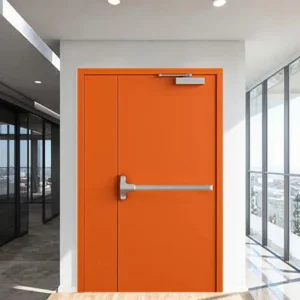
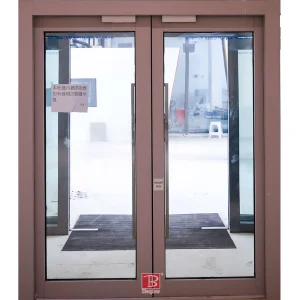
Examine our top-tier industrial barriers, custom automatic configurations, and high-performance entrance systems designed to complement advanced noise mitigation properties.
Understanding Sound Transmission Class (STC) and Weighted Sound Reduction Index (Rw) parameters within contemporary architecture.
Typical lightweight construction doors fail to mitigate low-frequency rumble because sound transmission is inversely proportional to mass. In contrast, premium sound-absorbing doors from an OEM factory employ the principle of Mass-Air-Mass (M-A-M). By nesting layers of dense sheet metals (e.g., galvanized steel panels), vibration-damping membranes, acoustic insulation board, and air cavities, these doors disrupt sound path transmission. Standard industrial grades usually offer Rw ratings ranging from 35dB up to 55dB+ for specialized plant installations.
Integrating elastomeric polymers between structural steel sheets allows shear deformation under acoustic stress, drastically dampening resonance frequencies.
Utilizing neoprene or silicone hollow bulb seals within magnetic frame rebates prevents airborne flanking paths through microscopic gaps.
Heavy-duty mechanical drop bars seal the threshold seamlessly when closed, shutting down the critical air gap at the bottom of the door panel.
Why global EPC contractors and acoustic consultants prioritize specialized Chinese factories for large-scale B2B supply chains.
How different modern infrastructure sectors apply CE certified sound isolation systems to meet regulatory noise criteria.
Requires high-level sound isolation (Rw 45dB to 55dB+) to prevent ambient environment contamination. Involves double-magnetic compression seal pathways and specialized resonance-free door frames.
Designed to isolate intense low-frequency noise (from compressors, generators, and HVAC chillers). Integrates heavy-gauge steel panels combined with industrial-strength fire protection.
Implements wood-veneer acoustic doors (Rw 35dB to 42dB) matching luxurious interiors, ensuring guest privacy while meeting European standard EN 1634 fire ratings.
Hygienic surface finishes integrated with quiet automatic sliding mechanisms or electromagnetic locks, allowing seamless, contamination-free patient transit and auditory testing quietness.
Provides high impact durability along with class-leading Rw 40dB soundproofing, keeping multi-purpose sports halls, music rooms, and lecture theaters acoustically isolated.
High-spec engineering solutions involving gas-tight airtight seals, combined with chemical-resistant steel coatings and strict vibration decoupling frame design.
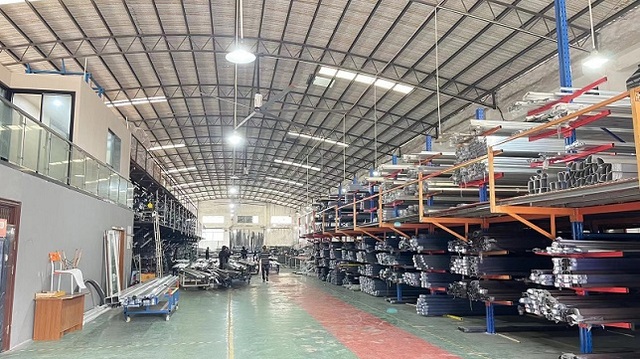
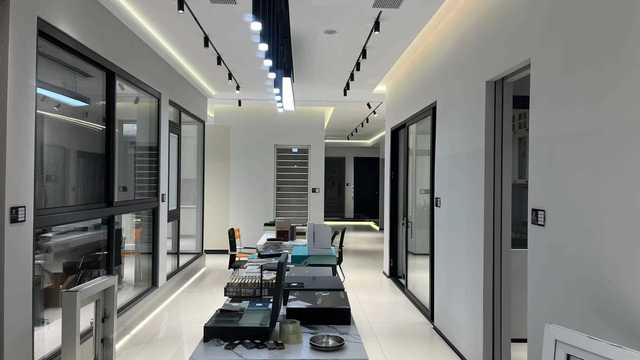
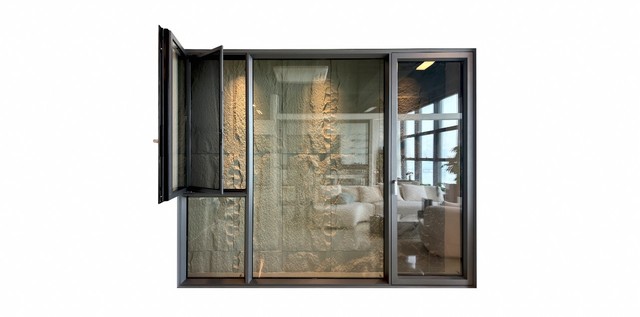
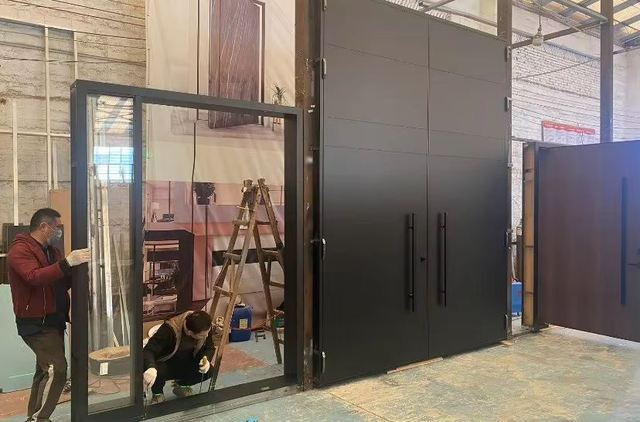
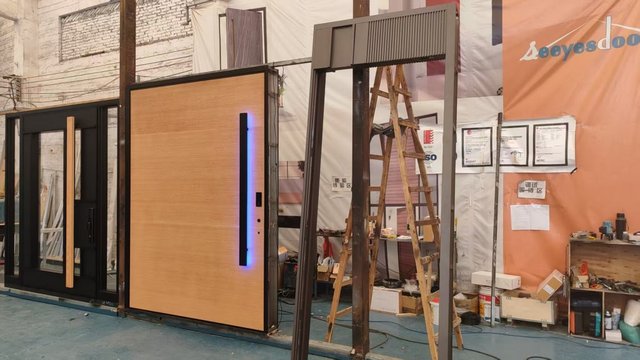
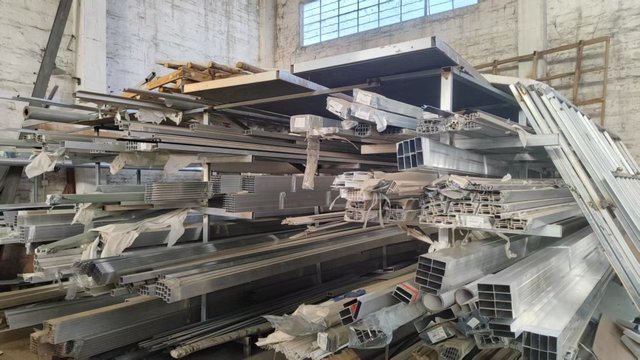
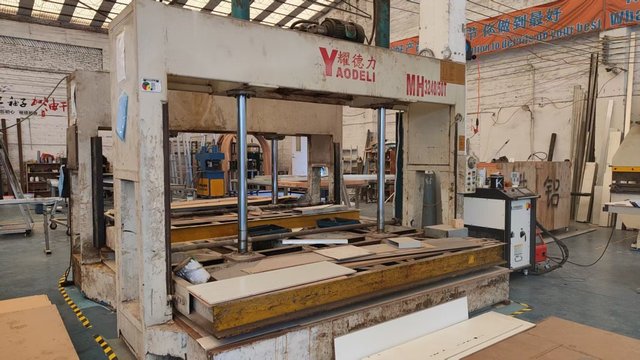
Visual highlights of our production lines, mechanical testing equipment, precision raw material processing, and quality checks.

How digitalization, environmental policies, and design standards shape next-generation acoustic solutions.
Global green building standards (such as LEED v4.1, BREEAM, and WELL Building Standard) place stringent demands on chemical emissions, material sourcing, and operational acoustics. Traditional acoustic doors relying on petrochemical-heavy resins or high-formaldehyde core adhesives are being replaced by bio-based, high-density wood fiber binders and naturally abundant volcanic basalt rockwool. These sustainable core formulations guarantee zero outgassing of volatile organic compounds (VOCs) while offering equivalent sound dampening performance.
Historically, acoustic performance doors were bulky, metal-clad industrial slabs that compromised interior aesthetics. Today, advanced machinery permits factories to apply rich wood grain laminates, high-pressure laminates (HPL), structural glazing, and architectural relief designs over reinforced steel and structural wooden panels. Modern designers can maintain consistent visual continuity throughout a facility without sacrificing acoustic integrity.
As smart building management systems (BMS) become standard, acoustic doors must be ready for electronic access control. Incorporating high-performance acoustic ratings alongside electronic magnetic locks, electric strikes, automatic sensor actuators, and cable transfer systems requires specialized CNC pre-machining by the factory. Precise structural engineering ensures that cabling conduits inside the core do not form dynamic sound leaks.
Get immediate clarity on certification, customized measurements, testing methods, and structural properties.
Examine our broader range of commercial entrance solutions, fire-resistant barriers, and specialty custom fabrications.
 Gerald Doors