When considering "what is the best material for garage doors," steel stands out as a top contender. Industry reports indicate that over 70% of homeowners prefer steel for its strength, durability, and low maintenance. Experts like John Smith from the Garage Door Association emphasize, "Steel provides unmatched security and weather resistance compared to other materials."
Steel garage doors can withstand extreme weather, making them ideal for various climates. In fact, they often last more than 30 years with proper care. This longevity means homeowners can save on replacement costs while ensuring their property remains safe. However, some still wonder if the upfront cost is worth it. Balancing expense and longevity can be challenging.
Moreover, while aesthetics in garage doors matter, many forget about insulation capabilities. Steel doors can be insulated, improving energy efficiency. Despite the advantages, some consumers feel overwhelmed by the choices. Reflecting on personal needs is crucial in determining the right fit. Ultimately, steel emerges as a reliable option, yet homeowners must weigh their specific circumstances.
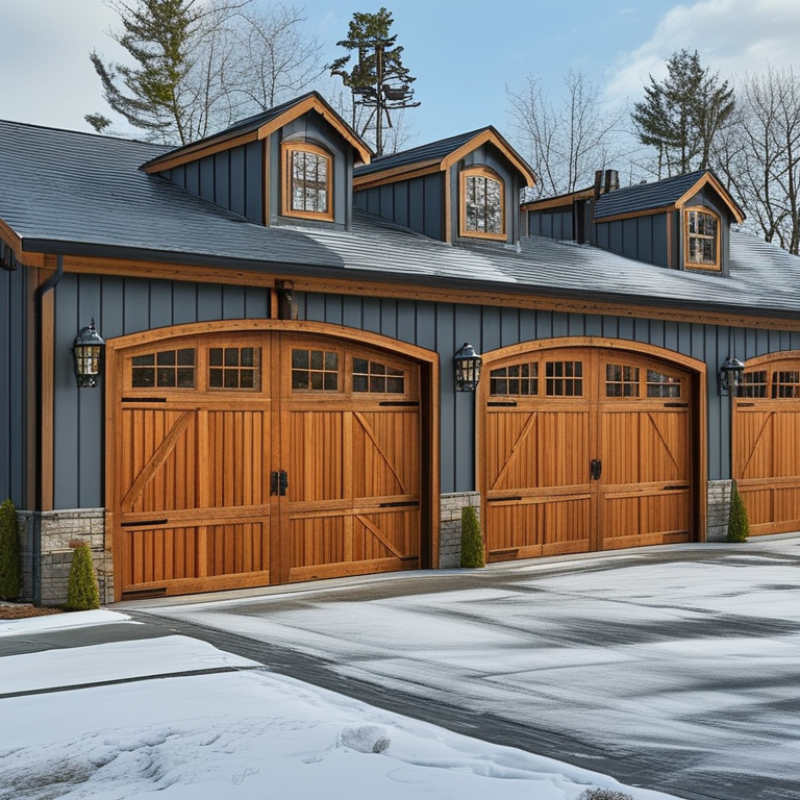
Steel stands out as the optimal material for garage doors due to its unique properties. Its strength and durability ensure that it can withstand harsh weather conditions. Steel garage doors resist warping, cracking, and shifting, unlike their wooden counterparts. This stability provides excellent security, protecting your home against intrusions.
When considering a steel garage door, insulation is key. Many steel doors come with insulated cores, offering better energy efficiency. This means your garage will stay cooler in summer and warmer in winter. In addition, insulated doors can reduce noise, making your garage more pleasant for any activities inside.
Tips: Investing in a quality steel door can save you money in the long run. Ensure you choose a door with a protective coating to enhance its rust resistance. Regular maintenance is essential to keep the door looking its best. Check for any dents or scratches and address them promptly to prevent further damage. Steel garage doors may chip over time, requiring some touch-ups.
Ultimately, while steel doors have many benefits, they may not satisfy everyone’s aesthetic preferences. Some feel they lack the warmth of wood. Reflect on your personal taste and the overall style of your home before deciding.
Steel garage doors are renowned for their durability and longevity. This material can withstand harsh weather conditions such as heavy rain, snow, and intense heat. Unlike wood, steel does not warp or crack over time. Homeowners can expect these doors to maintain their structural integrity for many years.
The strength of steel offers reliable security too. A well-constructed steel door can deter break-ins, providing peace of mind. Moreover, the maintenance is minimal compared to other materials. Occasional washing and a fresh coat of paint every few years can keep them looking new.
However, installing steel doors requires careful planning. They may dent upon impact, and repairs can be costly. It’s important to consider your specific environment. Some may find it challenging to balance aesthetics with durability. Overall, steel garage doors are a practical choice for anyone prioritizing long-term value.
| Feature | Steel Garage Doors | Other Materials |
|---|---|---|
| Durability | High resistance to dents, impacts, and harsh weather conditions | Can be prone to wear and tear over time |
| Longevity | Lasts 20-30 years with proper maintenance | Typically lasts 10-20 years |
| Maintenance | Requires little maintenance; resistant to rust when treated | May require regular repainting or treatment |
| Security | Offers strong protection against break-ins | Less secure, more susceptible to forced entry |
| Energy Efficiency | Can be insulated for better thermal performance | Insulation options vary; generally less efficient |
Steel garage doors are not only durable but also highly energy-efficient. According to the U.S. Department of Energy, insulated steel doors can reduce energy loss by up to 40%. This significant reduction directly influences energy bills and home comfort levels. Steel’s natural density contributes to its insulating properties, making it an excellent choice for temperature regulation.
What sets steel apart is its capacity for maintaining a consistent internal climate. When installed properly, insulated steel doors minimize drafts and temperature fluctuations. This efficiency leads to less reliance on heating and cooling systems. The International Energy Conservation Code indicates that energy-efficient garage doors can help homeowners achieve up to 20% savings on annual energy costs.
Despite these benefits, some owners may overlook maintenance needs. Rust can diminish steel's insulating capabilities if not managed. Periodic inspections and proper sealing can extend the lifespan of the insulation. Homeowners should weigh the initial investment against long-term energy savings to make an informed decision.
Steel garage doors are known for their durability. However, they do require specific maintenance to keep them functioning well. Regular inspection is key. Look for signs of wear, rust, or dents. These issues can escalate if left unaddressed. Applying a rust-resistant coating can prolong the lifespan of your door.
Cleaning is another essential element. A simple wash with mild detergent and water is often enough. Avoid harsh chemicals that can damage the surface. Inspect the seals regularly too. They help in preventing water from entering the garage. If you notice gaps, replace them promptly.
Lubrication is important yet often overlooked. Hinges and rollers need regular oiling to ensure smooth operation. A noisy garage door can indicate a need for lubrication or other attention. Remember, even steel doors can corrode over time, particularly in humid or salty environments. Being proactive can save time and money in the long run.
When considering garage doors, the material choice significantly impacts cost. Steel stands out due to its balance of price and durability. Compared to wood or fiberglass, steel provides a longer lifespan with lower maintenance costs. Homeowners can save on repairs over time, reinforcing steel's value.
Installation costs also factor into the equation. Steel doors are lightweight and easier to install than heavier materials. This efficiency translates to reduced labor costs when hiring professionals. Additionally, steel’s resistance to wear and tear means fewer replacements down the line, achieving more savings.
However, not everything is perfect. Steel can be susceptible to rust if not properly maintained. Paint scratches and dents can detract from its aesthetic appeal. While steel is generally cost-effective, the initial investment can be higher than other materials. Such trade-offs require careful consideration for those looking for long-term benefits.
: Steel garage doors are known for their durability and can withstand harsh weather conditions.
Steel doors are strong, which helps deter break-ins and provides peace of mind for homeowners.
Minimal maintenance is needed. Occasional washing and painting every few years keep them looking new.
Insulated steel doors can reduce energy loss by up to 40%, affecting energy bills positively.
Maintenance needs, like rust prevention, can be overlooked but are crucial for longevity.
Steel may dent on impact, and repairs can be costly, requiring careful planning before installation.
Steel may have a higher initial cost but offers long-term savings due to its durability.
Without proper maintenance, rust can decrease insulating capabilities and overall performance.
Steel doors are lightweight, making them easier and cheaper to install than heavier materials.
Paint scratches and dents can occur, impacting their appearance and requiring attention for upkeep.
When considering what is the best material for garage doors, steel stands out due to its exceptional properties. Steel’s inherent durability and longevity make it a reliable choice, as it can withstand harsh weather conditions and resist dents and scratches. Additionally, steel garage doors offer excellent energy efficiency, as they can be insulated effectively to help regulate temperature and reduce energy costs.
Maintenance for steel doors is generally minimal, requiring only occasional cleaning and checks for rust or wear, which contributes to their cost-effectiveness compared to other materials like wood or fiberglass. Overall, steel combines robustness, efficiency, and affordability, solidifying its reputation as the top material for garage doors.

Gerald Doors