What Are the Most Common Garage Door Problems?

Time:2026-10-08 Author:Ethan
0%

A garage door can fail quietly before it becomes dangerous. The opener may hum, yet the door stays closed. A frayed cable may hang beside the track. Small warning signs often appear first.

So, what are the common garage door problems? Homeowners most often report broken springs, worn rollers, damaged cables, bent tracks, noisy operation, and unreliable openers. The U.S. Consumer Product Safety Commission has repeatedly highlighted garage-door entrapment risks and the importance of correctly working reversing systems. Its safety guidance recommends testing the opener’s photo eyes and automatic reverse function regularly.

Industry standards add another layer. The Door and Access Systems Manufacturers Association (DASMA) publishes technical guidance covering door components, operator safety, and installation practices. These documents stress that springs, cables, and lifting hardware work as one balanced system. Replacing one part blindly can create another failure.

Tom Wadsworth, a recognized garage-door industry educator and technical expert, has described the garage door as “the largest moving object in most homes.” That detail matters. A heavy door moving above a family vehicle deserves more than a quick internet fix.

Common problems are not always obvious.

A grinding sound may indicate worn rollers. A door that drops suddenly may point to spring or cable failure. CPSC guidance also warns that damaged safety sensors can prevent proper reversal, especially when dust or misalignment blocks the light beam.

This guide examines these failures through practical symptoms, likely causes, and safer inspection choices. It also acknowledges an uncomfortable truth: some repairs look simple but require specialized tools, accurate measurements, and restraint.
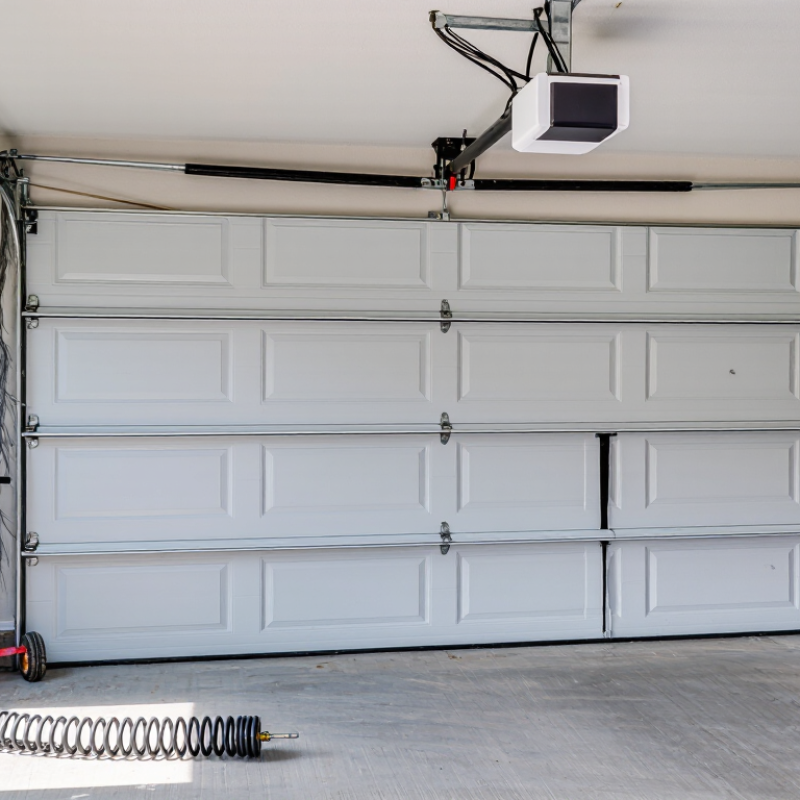
What Are the Most Common Garage Door Problems?

Common Garage Door Problems and Their Warning Signs

A garage door rarely fails without warning. During inspections, I look for uneven movement, delayed response, and unusual sounds. A grinding noise may point to worn rollers or poor lubrication. A sharp snap can signal a broken spring, which requires professional attention. If the door shakes while opening, its tracks may be bent, loose, or obstructed. Listen closely. These details often appear before a complete breakdown.

A door that reverses unexpectedly may have misaligned safety sensors. Dust, sunlight, or a small object can interrupt their beam. Wipe the sensor lenses gently, then check whether both units face each other. Never bypass this safety feature. It protects children, pets, and vehicles near the opening. Slow lifting can also suggest spring fatigue, excess weight, or a failing opener. Do not ignore it. Continued use may turn a minor adjustment into a costly repair.

Look at the cables and hardware from a safe distance. Frayed cables, loose bolts, rust around hinges, and gaps beneath the door deserve attention. A door that closes unevenly may leave one corner touching the floor first. This can damage weather seals and strain the lifting system. I have seen homeowners mistake normal motor noise for a serious fault, while overlooking a sagging panel. That is an easy mistake to make. If the door feels unusually heavy, stop testing it and arrange an inspection. Keep hands away from springs, cables, and moving joints.

How Garage Door Springs, Cables, and Rollers Fail

What Are the Most Common Garage Door Problems?

How Garage Door Springs, Cables, and Rollers Fail

Garage door springs carry most of the door’s weight during opening. Over time, repeated cycles create metal fatigue, rust, and small cracks. A broken spring may leave the door suddenly heavy or completely immovable. The door feels heavy. That matters. Never handle a high-tension spring without proper training and specialized tools. A qualified technician can test the spring system safely and confirm whether replacement is necessary.

Cables often fail after fraying, corrosion, or poor alignment around the drums. You may notice loose strands, uneven lifting, or a cable hanging beside the track. These signs should not be ignored. A loose cable can shift quickly when the door moves. In my experience, homeowners sometimes lubricate the mechanism and expect the problem to disappear. It rarely does. Lubricant cannot repair damaged wire or correct an unbalanced door.

Rollers usually wear more gradually. Dry bearings may cause grinding, squealing, or a door that shakes along the track. Nylon rollers can crack, while steel rollers may develop rough surfaces and rust. Inspect them with the door closed, but avoid placing fingers near moving sections. Cleaning the tracks helps, although it will not fix bent hardware. I have also seen technicians misdiagnose roller noise when the real issue was a loose hinge. Careful testing matters, especially when several symptoms appear together.

Why Garage Doors Become Noisy, Slow, or Unbalanced

A noisy garage door often signals friction, not age alone. Dry rollers, loose hinges, worn bearings, or a strained spring can create grinding, popping, or sharp snapping sounds. DASMA technical guidance commonly rates standard torsion springs for about 10,000 operating cycles. Heavy daily use can exhaust that rating sooner than expected. A slow door may have weak springs, dirty tracks, or an opener struggling against excess resistance. Do not keep adjusting the force setting blindly. That can hide a mechanical fault.

An unbalanced door is more serious. Disconnect the opener only if the manufacturer’s instructions allow it, then lift the door manually. It should move smoothly and remain near waist height. If it drops, rises, or feels unusually heavy, the spring system may be uneven. A trained technician should inspect it. The U.S. Consumer Product Safety Commission has repeatedly warned about entrapment risks involving defective or poorly maintained garage doors. Small changes matter. A door that shudders today may stop tomorrow.

Tips: Listen during one complete cycle each month. Check whether the tracks remain straight and clear. Lubricate approved moving parts, but never coat the tracks with heavy grease. Record unusual sounds and repair dates. The 2024 Cost vs. Value Report found garage door replacement recovered about 194% of its cost nationally, but replacement is not always necessary. I have seen owners replace an entire system when a worn spring was the real problem. Get a written inspection before approving major work.

Garage Door Opener, Sensor, and Remote Control Issues

What Are the Most Common Garage Door Problems?

Garage door problems often begin with the opener, sensors, or remote control. If the motor hums but the door does not move, inspect the wall control and power supply. A tripped circuit or loose connection may stop the opener completely. If the opener works intermittently, worn wiring or an aging internal component could be responsible.

Sensors cause many frustrating failures. They usually sit near the floor on both sides of the doorway. Their small indicator lights should appear steady when aligned. Dust, spider webs, sunlight, or a slightly bent bracket can interrupt the safety signal. Clean the lenses gently and check that both sensors face each other. I once blamed the opener, but a shifted sensor was the real problem. It is easy to miss.

Tips: Replace the remote battery before testing complicated repairs. Stand close to the door and press the button once. Repeated presses can confuse the diagnosis. Keep the remote away from moisture and extreme heat. If the door reverses, closes unevenly, or makes grinding sounds, stop using it. Disconnecting power before inspecting electrical parts is safer, but some repairs require a trained technician. A professional can test force settings, wiring, and balance without guessing. DIY checks help, though they do not reveal every hidden fault.

When to Repair a Garage Door and When to Call a Professional

What Are the Most Common Garage Door Problems?

When to Repair a Garage Door and When to Call a Professional

Many garage door problems begin with small warning signs. The door may scrape, shake, move slowly, or stop halfway. You can often handle simple issues safely. Replace a weak remote battery. Clean dust from the safety sensors. Check that both sensors face each other. Apply garage-door lubricant to hinges and rollers. Do not use household oil.

Loose bolts can also cause rattling. Tighten accessible hardware only when the opener is unplugged. Watch the door during its next cycle. If it reverses unexpectedly, stop using it. A faulty sensor, worn roller, or damaged track may need professional inspection. The problem may be deeper than it looks.

Call a qualified technician for broken springs, frayed cables, bent tracks, or a door that has fallen off its track. These parts hold substantial tension. Incorrect adjustments can cause severe injury or additional damage. Never try to cut, stretch, or replace a torsion spring yourself. If the door feels unusually heavy, leave it closed. That detail matters.

Ask for a written diagnosis and repair estimate. Confirm that the technician has relevant training, insurance, and local approval where required. A quick repair can hide another failure, so ask what caused the damage. Even careful homeowners can misjudge a worn part. When safety is uncertain, professional evaluation is the better repair.

FAQS

What warning signs suggest a garage door needs attention?

Watch for scraping, shaking, slow movement, delayed response, or stopping halfway. Listen for grinding, popping, or sharp snapping sounds. Small changes matter. These signs may appear before a complete failure.

Why does a garage door make grinding or popping noises?

Dry rollers, loose hinges, worn bearings, or spring problems may create unusual sounds. A dry roller can sound harsh during every cycle. Lubricate approved moving parts only. Heavy grease on tracks can attract dirt and worsen movement.

What should I do if the door reverses unexpectedly?

Stop using the door until the cause is clear. Dust, sunlight, or a small object may interrupt the safety sensors. Gently clean both sensor lenses. Check that they face each other directly. Never bypass this feature.

How can I recognize a broken or weak spring?

A sharp snap may indicate a broken spring. Slow lifting, unusual heaviness, or uneven movement can suggest spring fatigue. Leave the door closed if it feels extremely heavy. Do not cut, stretch, or replace the spring yourself.

Can I fix a noisy or slow garage door myself?

You may replace a remote battery, clean sensors, or lubricate suitable hinges and rollers. Use garage-door lubricant, not household oil. Tighten accessible bolts only with the opener unplugged. I might misread a simple noise. A written inspection is wiser when symptoms continue.

How do I check whether a garage door is unbalanced?

Disconnect the opener only when the instructions permit it. Lift the door manually to about waist height. It should move smoothly and remain there. If it drops, rises, or feels heavy, stop testing. A trained technician should inspect the spring system.

Which garage door problems require professional help?

Call a qualified technician for broken springs, frayed cables, bent tracks, or a door off its track. These components can hold dangerous tension. Keep your hands away from springs, cables, and moving joints. A quick adjustment may hide a deeper failure.

What should I ask before approving major garage door repairs?

Request a written diagnosis and repair estimate. Ask what caused the damage, not only what failed. Confirm relevant training, insurance, and required local approval. Replacement is not always necessary. One worn spring may be the real problem.

Conclusion

Understanding what are the common garage door problems can help homeowners recognize warning signs before a small issue becomes a major repair. Frequent problems include worn or broken springs, frayed lifting cables, damaged rollers, loose hardware, and tracks that are bent or out of alignment. These failures may cause the door to become noisy, slow, shaky, or unbalanced. A door that drops suddenly, struggles to open, or sits unevenly should not be ignored, as it may place extra stress on other components.

Garage door openers can also malfunction because of weak batteries, damaged remotes, faulty sensors, or electrical interruptions. Safety sensors that are blocked or misaligned may prevent the door from closing properly. Minor issues, such as replacing batteries, clearing sensor obstructions, or tightening accessible hardware, may be manageable for a homeowner. However, spring, cable, track, and opener repairs can involve significant force and risk. When the door is stuck, unstable, unusually heavy, or unsafe, contacting a qualified professional is the best choice.

Ethan

Ethan

Ethan is a seasoned marketing professional with a deep expertise in our company's innovative product line. With a passion for sharing knowledge and insights, he takes the lead in regularly updating our corporate blog, where he explores industry trends, product features, and effective marketing......