2026 Top Factors to Consider for Your Commercial Door System?

Time:2026-07-20 Author:Amelia
0%

When considering a commercial door system, you may ask, "what should I look for in a commercial door system?" This decision impacts security, aesthetics, and functionality. A well-chosen door is crucial for business operations. You should focus on durability and ease of use.

Material is an important factor. Steel doors offer strength, while glass doors provide visibility and modern appeal. Assess how much foot traffic your door will handle. Heavy use requires a robust design. Think about weatherproofing, too. A door that can withstand various conditions performs better over time.

Security features should not be overlooked. Look for options like advanced locking systems or reinforced frames. These elements provide peace of mind. Additionally, consider energy efficiency. Insulated doors can reduce heating and cooling costs. Balance your budget with quality. Sometimes, a lower cost means sacrificing critical features. Reflect on what aspects matter most to your business needs.
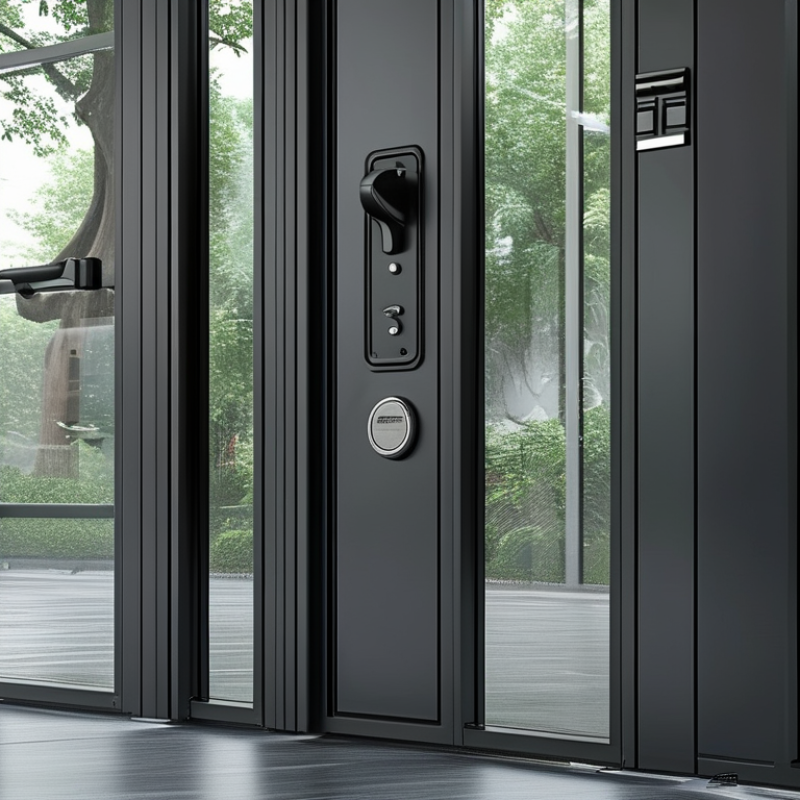
2026 Top Factors to Consider for Your Commercial Door System?

Key Features to Evaluate When Choosing a Commercial Door System

When selecting a commercial door system, evaluating key features is essential. Security, durability, and energy efficiency should be at the forefront. Industry reports indicate that over 30% of businesses experience losses due to inadequate security. A strong door system helps mitigate these risks. Materials like steel and fiberglass are often recommended for their durability and resistance to wear.

Energy efficiency is another critical factor. According to the U.S. Department of Energy, commercial buildings can lose up to 30% of their energy through doors. Insulated door systems significantly reduce heating and cooling costs. Investing in energy-efficient doors not only helps the environment but also lowers operational expenses.

Consider the door's operational ease. Accessibility is vital for both employees and customers. Many business owners overlook this feature, which can lead to frustration. Reports show that 25% of customer complaints in commercial settings stem from accessibility issues. Proper selection can minimize these challenges. Ensure the chosen system complements your property's design and enhances its usability.

Materials and Durability Considerations for Long-lasting Performance

When selecting a commercial door system, material and durability are key. The right materials directly impact longevity. Steel is popular for its strength, while aluminum offers lightweight flexibility. Wood can bring aesthetic charm but may require more maintenance. Each choice comes with its pros and cons. Some materials resist weathering better than others.

Consider the environment where the door will be used. Humid conditions can affect wood, causing warping. On the other hand, rust can be an issue with untreated metal. This is where coatings or treatments come into play. They enhance durability but can raise costs. Frequent evaluations are essential to ensure the door remains functional.

A door should not only look good but also perform well over time. Frequent use can wear down even the toughest materials. Gaps can form, leading to security issues or energy loss. Regular maintenance can address many concerns, but it's not a fail-proof solution. Over time, the initial material choice may no longer be adequate. Reflecting on these considerations can guide decisions for better long-term performance.

Security Measures and Their Impact on Door System Selection

When selecting a commercial door system, security measures should take center stage. Choosing the right materials can significantly enhance safety. Durable materials like steel or reinforced fiberglass deter break-ins effectively. Additionally, employing multiple locking mechanisms strengthens security further. Each component must work together to create a resilient barrier.

Consider access control solutions as part of your door system. Keycard readers and biometric scanners provide secure entry points. These technologies limit access to authorized personnel only. Yet, they require regular updates and maintenance to function optimally. This requires foresight in budgeting for ongoing service.

Reflect on the importance of regular security audits. A door system that meets current standards today might not suffice in the future. Evolving threats necessitate constant reassessment. Organizations should not overlook potential vulnerabilities in their security plans. Balancing technology and practical measures ensures a robust and reliable door system.

2026 Top Factors to Consider for Your Commercial Door System

Factor Description Impact on Selection
Security Features Includes locks, access control systems, and video surveillance. Essential for ensuring safety and preventing unauthorized access.
Material Quality Door materials such as steel, aluminum, and fiberglass. Determines durability, maintenance requirements, and security level.
Energy Efficiency Insulation properties to control heating and cooling costs. Affects long-term operating expenses and environmental impact.
Aesthetic Appeal Design options that match building architecture and branding. Influences customer perception and enhances overall building image.
Compliance and Codes Adherence to local safety regulations and accessibility standards. Necessary to avoid legal issues and ensure safety for all users.
Cost Initial purchase price and long-term maintenance costs. Critical for budgeting and overall project financials.

Energy Efficiency Ratings and Their Importance for Commercial Spaces

Energy efficiency is crucial for commercial spaces. It not only reduces utility costs but also contributes to a sustainable environment. Selecting a door system with high energy efficiency ratings can significantly enhance insulation and minimize air leakage. This ensures that heating and cooling systems operate efficiently.

When considering energy efficiency, look for features like insulated cores and proper weather stripping. These elements play a vital role in maintaining indoor temperatures. Poor insulation can lead to increased energy usage, which affects the bottom line. An often-overlooked aspect is the door’s lifecycle impact. A durable, energy-efficient door system reduces the need for replacements and repairs.

Many businesses struggle with the upfront cost of energy-efficient products. However, the long-term savings can be significant. It's essential to weigh immediate expenses against future benefits. Continuous evaluation of energy ratings helps make informed decisions. This approach can improve overall operational efficiency and build a greener reputation.

Maintenance Requirements and Service Life of Commercial Door Systems

When considering commercial door systems, maintenance requirements and service life are crucial factors. Regular maintenance plays a significant role in ensuring the longevity of your door systems. A report from the Association for Facilities Engineering noted that 70% of door failures are due to lack of maintenance. This statistic underscores the importance of implementing a routine check-up schedule.

Typical maintenance tasks include lubricating hinges, inspecting seals, and checking electronic components. Neglecting these tasks can lead to minor issues becoming critical failures. For example, doors that are not properly lubricated may experience jamming or misalignment. This often results in costly repairs or even replacements, which could be avoided.

The average service life of commercial door systems is around 10 to 15 years, depending on usage and maintenance practices. A study published in the Journal of Facilities Management indicates that systems receiving regular maintenance often last up to 20% longer. However, many businesses overlook this necessity. Regular evaluations not only help in identifying issues early but also enhance safety and security. Rethinking your maintenance approach can significantly prolong the lifespan of your door systems.

FAQS

: What materials enhance the security of door systems?

: Durable materials like steel and reinforced fiberglass effectively deter break-ins.

How can multiple locking mechanisms improve security?

They provide stronger protection by making unauthorized access more difficult.

What technologies can be used for secure access control?

Keycard readers and biometric scanners limit entry to authorized personnel.

Why are regular updates necessary for access control systems?

Without upkeep, security technologies may not function optimally, leading to potential vulnerabilities.

How can energy efficiency in doors benefit businesses?

It reduces utility costs and helps maintain a sustainable environment.

What features should be considered for energy-efficient door systems?

Insulated cores and weather stripping are essential for reducing air leakage.

How does poor insulation affect energy usage?

It leads to increased energy consumption and higher operating costs.

Why is it important to evaluate energy ratings continuously?

Regular assessments support informed decision-making and enhance operational efficiency.

What is the long-term benefit of investing in energy-efficient doors?

They reduce replacement and repair needs, saving money over time.

What should businesses reflect on regarding their door security?

They must not overlook changing threats and vulnerabilities in their security plans.

Conclusion

When considering what to look for in a commercial door system, several key factors come into play. Evaluating the features of the door system is essential, as this directly impacts functionality and convenience. Additionally, the materials used must be durable to ensure long-lasting performance, safeguarding your investment. Security is another critical aspect; implementing robust measures can greatly influence your choice of door system, enhancing safety for commercial spaces.

Furthermore, energy efficiency ratings should be prioritized to minimize operational costs while providing comfort within the premises. Lastly, understanding maintenance requirements and the expected service life of the door systems will help in making an informed decision. By focusing on these factors, businesses can select a commercial door system that meets their needs for security, efficiency, and longevity.

Amelia

Amelia

Amelia is a seasoned marketing professional with a wealth of expertise in our company’s core offerings. With an unwavering passion for driving growth and innovation, she plays a pivotal role in shaping our marketing strategies and enhancing brand visibility. A key aspect of her responsibilities......