Signs Your Garage Door System is Failing and What to Look For?

Time:2026-07-10 Author:Sophia
0%

A garage door system is essential for security and convenience. Yet, many homeowners overlook its signs of wear and tear. Understanding "what are the signs of a failing garage door system" is crucial to prevent potential hazards. John Smith, a garage door expert with over 15 years of experience, once said, "Ignoring minor issues can lead to costly repairs."

Common signs include unusual noises, slow response times, or a misaligned door. If you notice these symptoms, it’s time to act. The door may not close completely, leaving your home vulnerable. The sensors can misalign, causing safety risks. Observing these details can save you from future headaches.

Sometimes, issues are subtle. A garage door may appear normal but still exhibit mechanical failure. A keen eye can spot the missed signs that indicate a serious problem brewing beneath the surface. Regular maintenance is necessary, but recognizing failure signs is equally vital in preserving safety and functionality.
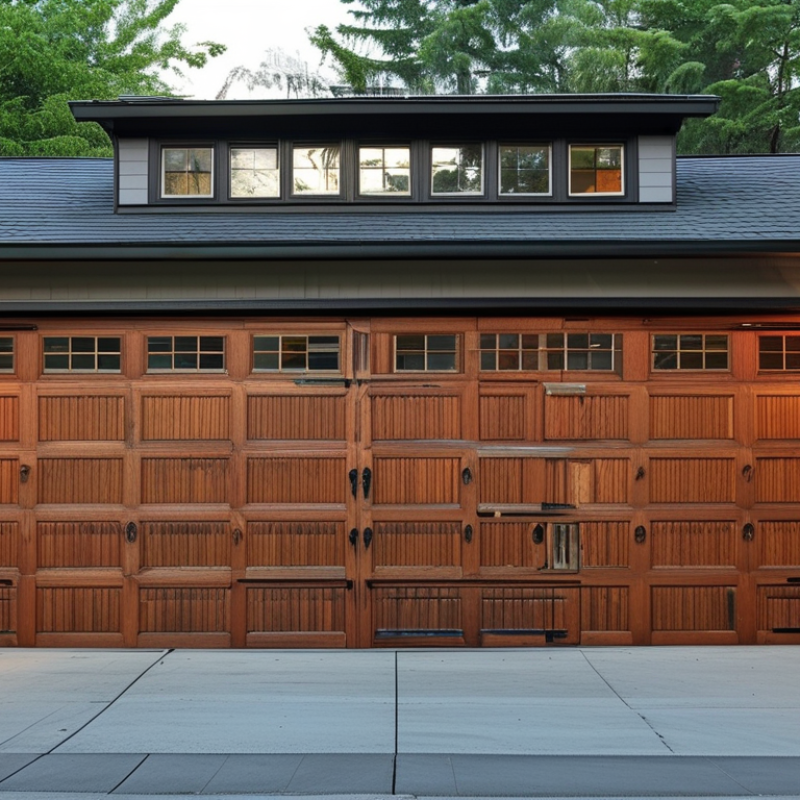
Signs Your Garage Door System is Failing and What to Look For?

Common Indicators of Garage Door System Failure

Garage door systems are essential for home security and convenience. Recognizing the signs of failure can prevent accidents and costly repairs. One common indicator is unusual noise. If your garage door makes grinding or squeaking sounds, it may signal a problem with the springs or gears. Pay attention if the noise persists, as it often means something is amiss.

Another sign to look for is inconsistent movement. A garage door that hesitates or struggles to open or close can indicate issues with the motor or the tracks. You might notice it stops suddenly or reverses unexpectedly. These behaviors can lead to potential safety hazards, so don't ignore them. Additionally, if the door doesn’t respond to remote controls or wall switches consistently, it's time for a closer inspection.

Lastly, check for visible wear and tear. Look for rust on metal parts or frayed cables. If the door doesn't close completely or opens unevenly, it might need professional servicing. These aren't just cosmetic issues; they can affect the overall functionality of your garage door. Addressing these signs early can save you from bigger problems down the line.

Understanding the Components of a Garage Door System

A garage door system consists of several key components. Understanding these components helps in diagnosing issues early. The door itself is the most visible part. It can be made of wood, steel, or fiberglass. A well-maintained door opens smoothly, while a failing door might stick or make unusual noises.

The opener mechanism is another critical element. It usually includes a motor, drive system, and remote control. A strong opener is vital for the door's function. If the door opens slowly or not at all, the opener might be the problem. Checking the power supply and batteries in your remote can be a quick fix, but deeper issues may require professional help.

Lastly, the tracks and springs support the door's movement. Tracks should be straight and free from debris. Springs bear the door's weight. If they are rusty or stretched, they can fail unexpectedly. Regular inspections can catch these problems early. Paying attention to these components can prevent bigger issues down the line.

Signs of Mechanical Malfunctions in Garage Doors

Garage doors are essential in our homes, yet many overlook their maintenance. Signs of mechanical malfunctions can signal potential issues. One common indicator is abnormal noise during operation. Grinding or squeaking sounds often point to worn-out rollers or faulty springs. According to industry reports, approximately 30% of garage door failures arise from these mechanical components.

Inconsistent opening and closing behavior is another red flag. If the door stops suddenly or reverses unexpectedly, it may indicate a problem with the sensors or wiring. Data suggests that about 20% of homeowners experience issues with door alignment. Regular inspections can help catch these issues early, minimizing repair costs.

Additionally, watch for visible wear and tear on components. Rusty hardware or frayed cables can lead to significant failures. Experts recommend regular lubrication and inspection to prolong the lifespan of your garage system. Noticing these signs early can save you from costly repairs down the line.

Electrical Issues Affecting Garage Door Operation

Electrical issues can cause your garage door system to fail unexpectedly. If your door isn’t responding to the remote control, or if it opens and closes erratically, it could signal a problem. Broken wiring or faulty sensors might be to blame. These technical hitches can happen to anyone, even the most vigilant homeowners.

Watch for flickering lights around the garage. This could indicate wiring problems. If your garage door lacks power, double-check the circuit breaker. A tripped breaker could disrupt your door’s operation. It's a simple fix but often overlooked.

Tip: Regularly inspect your garage door system’s power supply. Ensure that cords are intact and connections are secure. A proactive approach can save you from more significant issues later. Stay alert for any sudden changes. Timely repairs can extend the life of your garage door.

Signs Your Garage Door System is Failing and What to Look For?

Sign Description Possible Cause Recommended Action
Unresponsive Remote The garage door does not respond when the remote is pressed. Dead batteries, faulty remote, or electrical issues. Check batteries and replace if needed. If the issue persists, consider consulting a technician.
Door Hesitates The door does not open or close smoothly and pauses unexpectedly. Worn rollers, misalignment, or motor problems. Inspect and lubricate the rollers. Adjust alignment if necessary.
Loud Noises Unusual grinding or rattling noises during operation. Lack of lubrication, worn components, or loose hardware. Inspect and lubricate all moving parts. Tighten any loose hardware.
Slow Response It's taking longer than usual for the door to open or close. Electrical issues or wear in the opener unit. Check for wiring issues and consider professional maintenance.
Safety Sensors Malfunction The door reverses without any obstruction in its path. Misaligned or dirty safety sensors. Clean the sensors and adjust their alignment.

Preventive Maintenance Tips to Extend Garage Door Life

Maintaining your garage door system is crucial for longevity. Regular inspections are key. Statistics show that nearly 30% of garage door failures stem from inadequate maintenance. Homeowners should perform basic checks monthly. Look for wear on the springs, hinges, and cables. Any fraying or rust can indicate impending failure.

Lubrication is vital for smooth operation. Apply a high-quality lubricant to rollers and tracks. This can prevent unnecessary strain on the system. According to the National Association of Home Builders, properly maintained systems can last over 30 years. Neglect can drastically reduce this lifespan.

Keep in mind that weather conditions can affect your garage door’s performance. Moisture may lead to rust, while extreme heat can warp components. Checking seals and insulation will improve efficiency. Even small issues might escalate if ignored. Prioritize your garage door’s health to avoid costly repairs down the line.

FAQS

: What are the main components of a garage door system?

: A garage door system includes the door, opener mechanism, tracks, and springs. Each plays a crucial role.

How can I tell if my garage door is malfunctioning?

Listen for abnormal noises like grinding or squeaking. These often indicate worn parts.

What should I do if my garage door opens slowly?

The opener might be faulty. Check the power supply and remote batteries first.

How can I prevent major issues with my garage door?

Regular inspections are key. Look for wear and tear, and keep parts clean and lubricated.

What signs indicate electrical issues with the garage door?

Flickering lights or erratic door behavior may suggest wiring problems.

Can I fix a tripped circuit breaker myself?

Yes, check and reset the breaker. It’s usually a simple fix but often ignored.

How often should I inspect my garage door system?

Aim for regular inspects, at least every few months. Early detection can save money.

What happens if the springs are rusty?

Rusty springs can fail unexpectedly, leading to major issues. Regular checks are important.

Why does my garage door reverse unexpectedly?

This may indicate sensor or wiring issues. Regular inspection can help catch these problems.

What if I notice frayed cables?

Frayed cables are dangerous. They need immediate replacement to ensure safety and function.

Conclusion

When assessing a garage door system, it is crucial to know what are the signs of a failing garage door system. Common indicators include strange noises during operation, doors that won't open or close properly, and visible wear on the components. Understanding the components of the system, such as the springs, tracks, and opener, can help identify specific mechanical malfunctions.

Additionally, electrical issues, such as damaged wiring or faulty sensors, may also affect operation. To maintain a functional garage door, regular preventive maintenance is essential. Simple tasks like lubricating moving parts, checking for alignment, and inspecting safety features can significantly extend the life of your garage door system and prevent costly repairs in the future.

Sophia

Sophia

Sophia is a dedicated marketing professional with an exceptional depth of knowledge about her company's products and services. With a keen understanding of market trends and customer needs, she crafts insightful blog posts that not only inform but also engage readers, enriching the company’s online......