In modern industrial environments, workplace safety is paramount. An expert in the field, John Smith, states, "Industrial doors play a crucial role in preventing accidents and ensuring a secure environment." Understanding how to improve workplace safety with industrial doors is essential for every business.
Industrial doors are more than just entry points; they serve as vital safety barriers. They can help to control access, protect workers, and minimize hazards. For example, high-speed doors reduce the risk of collisions, while fire-rated doors provide essential protection against fire hazards.
Moreover, the integration of sensors and safety features enhances their effectiveness. However, it's crucial to continuously assess and maintain these systems. Neglecting door upkeep can lead to failures, creating safer environments. Regular training on door functionality is also necessary. Businesses must reflect on their current practices to ensure safety measures are always in place.
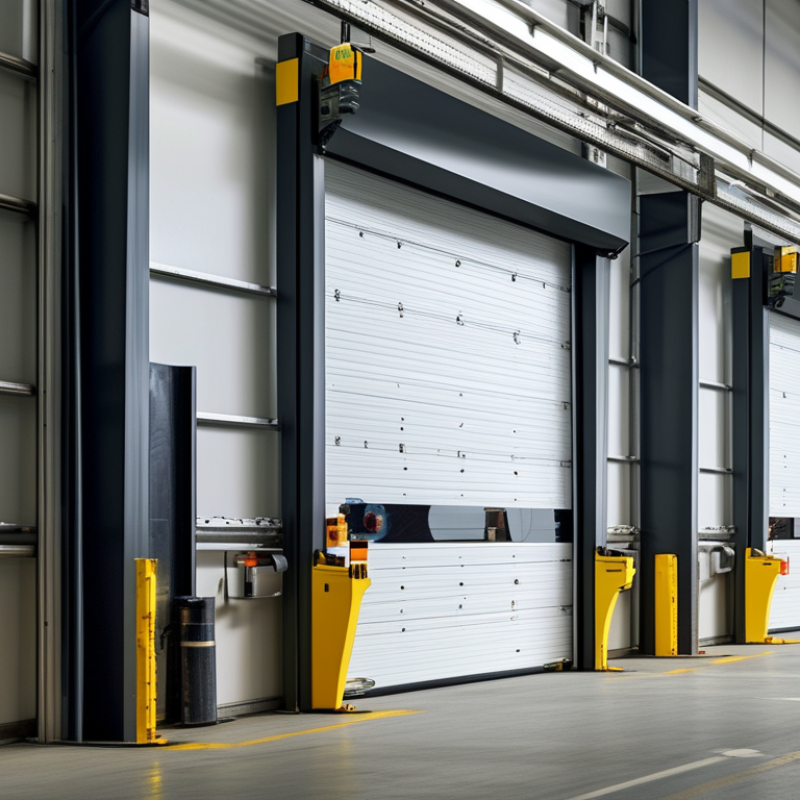
Importance of Industrial Doors in Workplace Safety Standards
Industrial doors play a critical role in maintaining safety standards within workplaces. According to a report from the Occupational Safety and Health Administration (OSHA), poorly managed entrances contribute to 30% of workplace accidents. Effective industrial doors reduce these risks significantly. They manage traffic flow, minimizing collisions between workers and vehicles, which is essential in high-demand environments.
The design of these doors ensures secure access while allowing efficient movement. For example, high-speed roll-up doors can close rapidly, preventing unauthorized access and protecting sensitive areas. A study by the International Door Association indicates that 65% of companies report fewer incidents after installing high-security door systems. This highlights the direct correlation between door technology and workplace safety.
However, not all industrial doors are created equal. Organizations often overlook regular maintenance, leading to malfunctioning hardware. Inspections should happen at least quarterly to ensure optimal performance. An unmaintained door can become a safety hazard, defeating its purpose. It's crucial for workplaces to invest in quality solutions and proper upkeep to truly enhance safety standards.
Key Features of Industrial Doors that Promote Safety
Industrial doors play a crucial role in enhancing workplace safety. Their design and features significantly mitigate risks and improve operational security. For instance, the inclusion of safety sensors can detect obstacles, reducing accidents by up to 25%, according to a report by the National Safety Council. This feature is vital in bustling environments where heavy machinery operates.
Regular maintenance is essential for safety. Doors that are poorly maintained can malfunction, leading to potential hazards. Consider implementing a routine check every three months. It only takes a few minutes but can prevent major accidents.
Another key feature is impact resistance. Industrial doors are often designed to withstand heavy impacts, which is vital in facilities handling large loads. A study by the Occupational Safety and Health Administration found that impact-resistant doors can reduce injury risks significantly.
Ensure you train your staff on safety protocols. Even with reliable doors, human error is a factor. Regular training can enhance awareness and reduce incidents.
Industrial doors contribute to workplace safety through various designed features. The emphasis on safety sensors, regular maintenance, and impact resistance makes them indispensable in protecting workers.
How Industrial Doors Prevent Unauthorized Access
Industrial doors play a vital role in enhancing workplace safety, particularly in preventing unauthorized access. According to a study by the National Safety Council, over 25% of workplace injuries stem from unauthorized personnel entering hazardous areas. This statistic emphasizes the importance of secure entry points in industrial environments.
Effective industrial doors often incorporate access control systems. These systems can include keycard entry, biometric scanners, and security cameras. A report from the Security Industry Association indicates that 72% of organizations using advanced access control solutions reported a decrease in security breaches. However, not all facilities adopt these measures. Some still rely on basic locks, which can easily be compromised, thus revealing a gap in security protocols.
Besides security, industrial doors also delineate boundaries within the workplace. This separation is crucial in manufacturing and logistics, where heavy machinery operates. The British Standards Institution notes that clear separation reduces the risk of accidents by 40%. Yet, many industries overlook the need for properly functioning doors. Regular maintenance and inspections of these doors can prevent malfunctions that might compromise safety. Investing in durable and secure industrial doors is essential for fostering a safer work environment.
Role of Industrial Doors in Hazardous Material Handling
In high-risk environments, the role of industrial doors becomes critical, especially when handling hazardous materials. According to the National Institute for Occupational Safety and Health (NIOSH), workplace injuries related to hazardous materials can rise drastically without proper safety measures.
Industrial doors act as physical barriers, preventing the accidental release of harmful substances and protecting employees.
Designing industrial doors with safety in mind is essential. Automatic closing mechanisms can limit exposure during material transfers. Durable materials reduce the risk of damage, ensuring that doors remain functional in high-impact areas. The Occupational Safety and Health Administration (OSHA) emphasizes the need for maintaining proper sealing and functionality to ensure environmental safety and workplace health.
Moreover, a survey from a leading safety organization shows that companies using advanced industrial doors report a 30% drop in incident rates. However, it’s vital to remember that installation alone isn’t enough. Regular maintenance is crucial.
Neglected doors can pose serious risks. Employees must be trained to identify faults as part of a comprehensive safety program. Awareness and proactive measures are necessary to foster a safe working environment.
Maintenance Practices for Ensuring Industrial Door Safety
Maintenance Practices for Ensuring Industrial Door Safety
Regular inspections are key to maintaining industrial doors. Such inspections should focus on hinges, seals, and frames. Look for wear and tear, rust, or misalignment. These issues can lead to failures, posing safety risks. A trained technician can identify problems early, preventing accidents.
Cleaning is another crucial practice. Dirt and debris can interfere with door mechanisms. Keeping tracks free of obstructions ensures smooth operation. Aim to clean these areas at least once a month. Neglected maintenance leads to malfunctions that could endanger workers.
Training employees is essential. Teach them how to identify potential issues. Encourage reporting of unusual sounds or movements. Regular training sessions foster a safety culture. Additionally, reviewing safety protocols ensures everyone knows what to do in an emergency.
FAQS
: Industrial doors help maintain safety standards. They reduce risks of workplace accidents caused by poor entrance management.
They minimize collisions between workers and vehicles. Efficient movement is crucial in busy environments, ensuring safety for all.
These doors close rapidly to prevent unauthorized access. They protect sensitive areas, enhancing overall workplace security.
Inspections should occur at least quarterly. Regular checks ensure optimal performance and prevent safety hazards.
Neglected doors can malfunction, becoming safety hazards. It's essential to invest in quality solutions and upkeep.
They act as barriers to prevent accidental release of harmful substances. This protection is critical for employee safety.
Companies often report a 30% drop in incident rates. However, installation needs to be paired with ongoing maintenance.
Employees must learn to identify faults. Awareness allows for proactive measures to maintain a safe working environment.
Yes, designs with automatic closing mechanisms limit exposure during material transfers. Durable materials enhance overall functionality.
Ignoring maintenance can lead to increased risk. Regular upkeep is vital to ensure doors serve their intended safety purposes.
Conclusion
Industrial doors play a crucial role in enhancing workplace safety by adhering to safety standards and providing essential features that reduce risks. Understanding how to improve workplace safety with industrial doors involves recognizing their importance in preventing unauthorized access, thereby protecting employees and sensitive areas. Additionally, these doors are designed to facilitate the safe handling of hazardous materials, minimizing exposure and potential accidents.
Regular maintenance practices are vital to ensure that industrial doors function correctly, contributing to overall safety. By routinely inspecting and servicing these doors, companies can prevent malfunctions and ensure they meet safety regulations. Ultimately, implementing industrial doors effectively can significantly bolster workplace safety, making environments more secure for all employees.

 Gerald Doors