Automatic door systems are becoming increasingly popular in various industries. Understanding how do automatic door systems work is crucial for global buyers. Recent statistics indicate that the global automatic doors market is projected to reach USD 29 billion by 2025, growing at a CAGR of 6.8%. This growth reflects the rising demand for enhanced convenience, security, and energy efficiency.
At the heart of automatic door technology are sensors and control systems. These components detect motion, triggering the door's opening and closing mechanisms. Consumers value the seamless experience these doors offer in high-traffic areas. However, the complexity of these systems can lead to potential maintenance issues. It's vital for buyers to consider both installation and upkeep costs.
As buyers explore their options, they should seek reliable manufacturers with proven expertise in the field. Evaluating product warranties and service agreements can mitigate risks. Balancing convenience with operational reliability remains a challenge for many buyers, emphasizing the need for informed decisions in this evolving market.
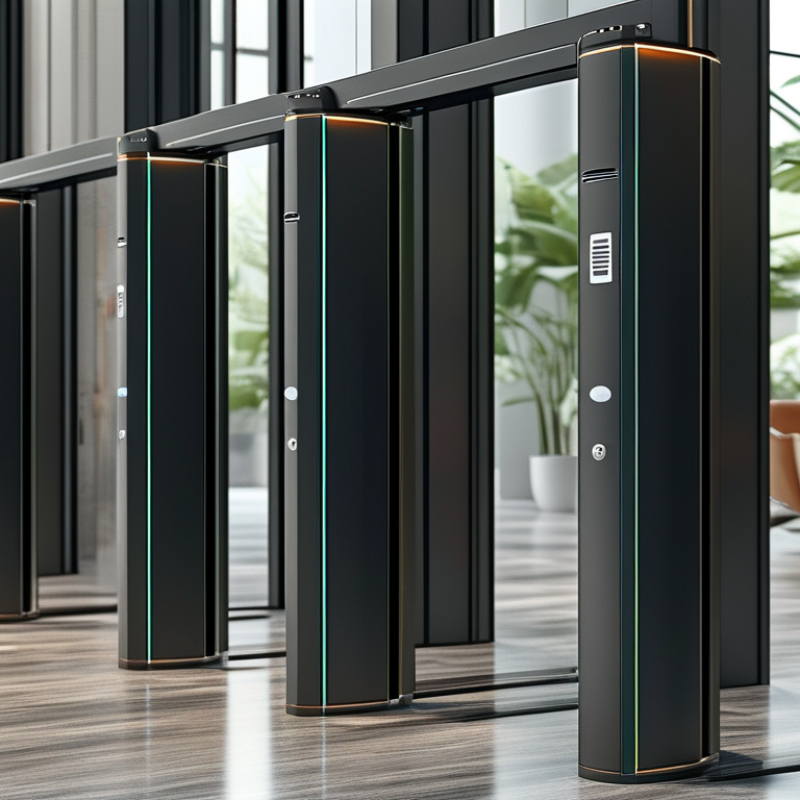
Automatic door systems combine technology and simplicity. They enhance accessibility while maintaining security in various environments. These systems utilize sensors and motors to open and close doors automatically. Irrespective of the complexity, the basic operation involves detecting motion and responding accordingly. The global demand for automatic door systems is expected to grow significantly, with a report from MarketsandMarkets predicting a rise to over $26 billion by 2025. This growth reflects the increasing need for convenience and efficiency in architectural designs.
Installing automatic doors improves customer experience and reduces energy costs. Proper alignment and maintenance are crucial for optimal performance. Sensors must be calibrated accurately to prevent mishaps. A poorly aligned door can lead to unnecessary wear and malfunction, which may compromise safety.
Tips: Regularly inspect the components like sensors, motors, and hinges. Small adjustments can prevent larger issues. Additionally, ensure that the door area is clear. Physical obstructions may impede sensor accuracy and door function. Making these simple changes increases reliability and efficiency.
Automatic door systems come in various types, each designed for specific applications. Sliding doors are common in retail spaces. They save space and allow easy entry for customers. These doors operate smoothly on tracks, detecting motion through sensors. They create a welcoming environment, but can sometimes malfunction, causing frustration.
Swing doors are another popular choice. They require manual or automatic operation and are often found in hospitals and office buildings. The mechanisms usually respond to push plates or sensors. While they promote convenient access, heavy traffic can lead to wear and tear. Regular maintenance is critical to ensure reliability.
Revolving doors are typically seen in hotels and impressively reduce energy costs. They maintain climate control while allowing continuous flow of foot traffic. However, the experience may feel cramped for some users. It's essential to weigh comfort against energy efficiency. Understanding these nuances can help buyers select the ideal door system for their needs.
Automatic door systems have become essential in various sectors, including retail, healthcare, and hospitality. The effectiveness of these systems hinges on key components that make them function reliably. Understanding these components can help buyers make informed decisions.
One critical element is the sensor technology. Sensors detect the presence of an individual approaching the door, ensuring it opens smoothly. According to a report by the Door and Access Systems Manufacturers Association (DASMA), approximately 30% of automatic door failures stem from sensor malfunctions. Regular maintenance of sensor alignment is crucial, yet often overlooked.
Another important part is the drive mechanism, which can be pneumatic or electric. Pneumatic drives offer quick responses, while electric drives are energy-efficient. A recent market analysis showed that electric mechanisms account for about 60% of the automatic door market due to their low energy consumption. However, they sometimes face issues with power fluctuations, leading to performance irregularities. Understanding these pros and cons is vital for ensuring reliable operation and longevity of automatic door systems.
| Component | Description | Functionality | Material |
|---|---|---|---|
| Sensors | Devices that detect motion or presence. | Trigger the opening or closing of the door. | Plastic, Metal |
| Actuator | Mechanism that physically moves the doors. | Controls the opening and closing speed. | Aluminum, Steel |
| Control Unit | The brain of the automatic door system. | Processes input from sensors and sends commands to actuators. | Plastic, Metal |
| Power Supply | Provides electricity to the system. | Ensures continuous operation. | Varied (Battery or AC) |
| Safety Features | Includes sensors for preventing accidents. | Detects obstructions and stops the door. | Varied (Plastic, Metal) |
Automatic doors play a crucial role in enhancing security and accessibility in various settings. They allow for a seamless flow of foot traffic while ensuring protection against unauthorized access. These systems often utilize sensors to detect motion or presence. This allows doors to open as needed, reducing the risk of collisions and improving safety.
In terms of security, automatic doors can be integrated with advanced locking mechanisms. This technology creates barriers against intruders, making buildings more secure. However, proper management is needed. Door systems can malfunction or be misused if not maintained regularly. Regular checks and updates improve their effectiveness.
Tip: Regular maintenance is essential. Schedule inspections to ensure the components function smoothly.
Accessibility is another key benefit. Automatic doors aid individuals with disabilities, providing easier access for wheelchairs and walkers. They also reduce the effort required to enter a building, benefiting all users. However, it's crucial to assess the door's placement and responsiveness. Poor positioning can complicate access rather than enhance it.
Tip: Consider user feedback. It can highlight usability issues that may not be obvious at first.
Overall, investing in quality automatic door systems can significantly enhance security and accessibility in a space.
Automatic door systems provide convenience but require attention to maintenance and safety. Regular checks ensure the doors function correctly. Sensors must be clean and free from obstruction. Worn parts should be replaced promptly to avoid malfunctions. Neglecting these issues can lead to safety hazards.
Safety considerations are critical in automatic door systems. Emergency stop buttons should be accessible and functioning. Regular inspections can identify potential risks. Doors should not close too quickly; this can cause injuries. Training staff on proper use enhances safety and reduces accidents.
Unexpected problems can arise. For example, doors may malfunction during peak hours, causing delays. Scheduling routine maintenance checks can prevent these situations. It’s essential to document inspections and repairs. This builds a reliable maintenance history, crucial for safety compliance.
: They are used in retail, healthcare, and hospitality to improve accessibility and security.
Sliding doors use motion sensors to detect people and open smoothly on tracks for easy entry.
Regular maintenance of sensors and mechanisms is crucial to prevent malfunctions and ensure reliability.
Swing doors operate with sensors or push plates, providing entry in hospitals and offices, but may wear out with heavy use.
Sensors detect individuals approaching the door, allowing it to open automatically and improving safety.
Some users may feel cramped in revolving doors, impacting their comfort despite energy efficiency benefits.
Pneumatic drives respond quickly, while electric drives are energy-efficient but may have power fluctuation issues.
Regular inspections can identify malfunctions and improve the effectiveness of the door systems, enhancing security.
They help individuals with disabilities and reduce entry effort for everyone, but placement matters for easy access.
It can highlight usability issues, ensuring the doors function better for everyone needing access.
Automatic door systems are designed to provide convenience, security, and accessibility in various settings. Understanding the basics of how do automatic door systems work involves recognizing their types, such as sliding, swinging, and revolving doors, and their specific applications across commercial and residential environments. These systems consist of key components like sensors, operators, and control systems, which work in unison to facilitate seamless entry and exit.
Additionally, automatic doors enhance security by limiting unauthorized access and improving traffic flow in high-traffic areas. Regular maintenance is essential to ensure safety and reliable operation, as these systems can pose risks if not properly maintained. Overall, automatic doors represent an innovative solution for modern building needs, balancing functionality with user accessibility.

Gerald Doors