Garage doors are crucial for home security and convenience. However, many homeowners overlook their maintenance needs. Questions often arise about how much maintenance do garage doors need. According to industry expert John Meadows, “Regular check-ups can prevent costly repairs later.” This highlights the importance of proactive care.
Neglecting garage doors can lead to various problems. For instance, worn-out springs can cause malfunctions. Greasing the tracks and checking for misalignment are necessary tasks. Ignoring these can lead to bigger issues down the line. Regular inspection ensures everything works smoothly.
Each component of a garage door requires attention. Sensors must be clean and functional. The door should open and close without resistance. A little time spent on maintenance goes a long way. It saves money and enhances safety. Ultimately, understanding how much maintenance do garage doors need can make a significant difference.
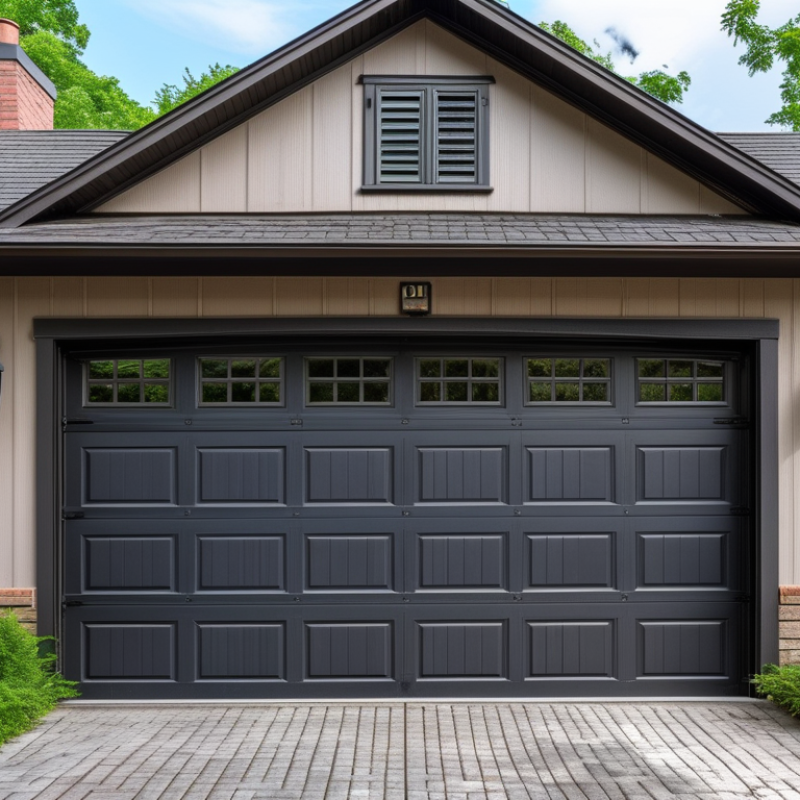
Regular maintenance of garage doors plays a crucial role in extending their lifespan. Without proper care, many issues can arise, leading to costly repairs. Routine checks can identify problems like worn-out springs or misaligned tracks. These small fixes can save homeowners both time and money in the long run.
Tips for maintenance include lubricating moving parts. Use a silicone-based lubricant to prevent rust. Inspect the weather stripping for any damage. Replacing worn strips can improve insulation and energy efficiency. Tightening loose bolts and screws also ensures optimal operation.
Pay attention to unusual noises. If a door makes grinding sounds, it might require immediate attention. Checking the balance of the door is essential; an unbalanced door is a safety hazard. Regularly test the auto-reverse feature as well, ensuring it works properly. This can prevent accidents and enhance safety for everyone.
Neglecting garage door maintenance can lead to several common issues that may not seem serious at first. Misalignment is one frequent problem. When the door doesn’t sit properly in its tracks, it can cause strain on the opener and lead to costly repairs later. You might notice unusual noises or difficulty in opening and closing the door. These signs often indicate wear and tear that needs attention.
Another issue is rust or corrosion. If your garage door is made of metal, moisture can cause it to rust over time. This damage can weaken the door’s structure and lead to further issues, affecting durability. A neglected door may also create energy efficiency problems. Gaps can form when seals degrade, making it harder to keep your garage insulated. You may end up spending more on heating or cooling.
Routine checks are essential. Regular lubrication of moving parts can prevent wear. Tightening loose hardware can also be beneficial. Yet many homeowners overlook these simple steps. This neglect can turn minor problems into major headaches, leading to expensive replacements down the line. Prevention is always better than a cure. Taking a little time now can save money and stress later.
Garage doors are essential for home security and convenience. However, statistics reveal alarming rates of failure. Research shows that nearly 30% of homeowners face issues with their garage doors at least once a year. This statistic highlights the need for regular inspections and maintenance.
The financial impact of garage door malfunctions can be significant. Repair costs often range from $150 to over $300. In some cases, complete replacements can exceed $1,500. These expenses could have been avoided with proactive maintenance. Many homeowners overlook minor wear and tear. They fail to realize small issues can escalate quickly, leading to costly repairs.
Regular maintenance not only extends the lifespan of garage doors but also enhances safety. A malfunctioning door can cause injuries or accidents. Yet, many people wait until there's a problem to act. This mentality can be detrimental. Taking a few moments to check hinges, tracks, and sensors can save both time and money. It's clear that investing in maintenance is a wise decision for every homeowner.
Regular maintenance of garage doors is essential for optimal performance. A well-maintained door operates smoothly and has a longer lifespan. Start by inspecting the hardware regularly. Look for
loose bolts and nuts, which can lead to bigger issues over time. Lubricate moving parts like rollers and hinges to reduce friction. This simple step can prevent wear and tear and keep your door functioning effectively.
Check the door’s balance too. An unbalanced door can strain the opener. Test balance by disconnecting the opener and manually lifting the door. If it doesn’t stay in place, adjustments are needed. Keep the tracks clean and clear of debris.
Dirt can hinder movement and cause malfunctions. Routine cleaning can make all the difference.
Don’t overlook the weather seals. They protect your garage from outside elements. Check for
cracks or damage and replace them if necessary. While these tasks may seem minor, neglecting them can lead to costly repairs. Regular maintenance keeps your garage door
safe, efficient, and reliable. Reflect on your past maintenance habits. Are there areas where improvement is needed?
Weather conditions significantly influence garage door functionality and maintenance. Extreme temperatures can affect materials like steel and wood. Cold weather can cause metal parts to contract. In turn, this might lead to a stiff operation. According to industry reports, garage doors can experience up to a 20% reduction in performance during freezing temperatures. Regular inspections in these conditions can prevent unexpected failures.
Humidity and rain also play a critical role. Moisture can lead to rusting in metal components. A study suggests that about 70% of garage door repairs stem from water-related issues. Wooden doors can swell or warp in high humidity. This poses a risk of operational failure. Routine maintenance checks help identify signs of wear and tear early, extending the door's lifespan.
Additionally, debris accumulation from seasonal storms can hinder the door's movement. Leaves and dirt can clog tracks and sensors. Regular cleaning can mitigate these issues. Neglecting this can result in malfunction. Without consistent upkeep, homeowners may face unexpected costs. Regular maintenance is essential for smooth operation. It's a critical aspect often overlooked in household care routines.
: It extends the door's lifespan and prevents costly repairs. Small issues can be identified and fixed early.
Lubricate moving parts like rollers and hinges using silicone-based lubricant. This prevents rust and reduces friction.
Listen for unusual noises like grinding or notice if the door is misaligned. These signs indicate wear that needs attention.
Neglect can lead to misalignment, rust, and energy efficiency problems, ultimately resulting in expensive repairs.
Regular checks are essential. Inspect hardware, balance, and lubricate parts to ensure smooth operation and longevity.
Disconnect the opener and manually lift the door. If it doesn’t stay in place, adjustments are needed for balance.
Inspect and replace any cracked or damaged seals. This improves insulation and protects your garage from outside elements.
Yes, many forget to lubricate parts or check hardware tightness. These minor tasks are crucial for preventing major issues.
Regular maintenance of garage doors is essential for ensuring their longevity and optimal performance. Without proper care, homeowners may encounter common issues such as malfunctioning sensors, noisy operation, and even complete door failure. Statistics indicate that neglected garage doors can lead to costly repairs, emphasizing the importance of routine checks and maintenance. Homeowners often wonder how much maintenance do garage doors need; generally, a thorough inspection every three to six months, along with lubrication and alignment checks, can significantly enhance the door's lifespan.
Additionally, weather conditions can greatly affect garage door functionality and maintenance needs. Extreme temperatures, moisture, and debris can lead to wear and tear, making it crucial to adapt maintenance practices accordingly. By being proactive and following recommended maintenance practices, homeowners can prevent issues, save on repair costs, and ensure their garage doors operate smoothly, regardless of external conditions.

Gerald Doors