Understanding "why do garage door springs break" is crucial for homeowners. Garage door springs play a vital role in enabling smooth operation. Yet, they frequently fail, leading to costly repairs and safety hazards.
Several factors contribute to spring failure. Over time, metal fatigue occurs due to frequent use. Environmental elements can also lead to rust and wear. Homeowners often overlook these signs until it’s too late. Regular maintenance can mitigate these issues, but many neglect this important step.
Recognizing the common causes of spring breakage is essential. Users may not realize how weight distribution affects springs. Alternatively, using the garage door as a frequent entry can increase stress on the springs. Being attentive can save money and enhance safety. Understanding these aspects leads to better care and prolongs the lifespan of the springs.
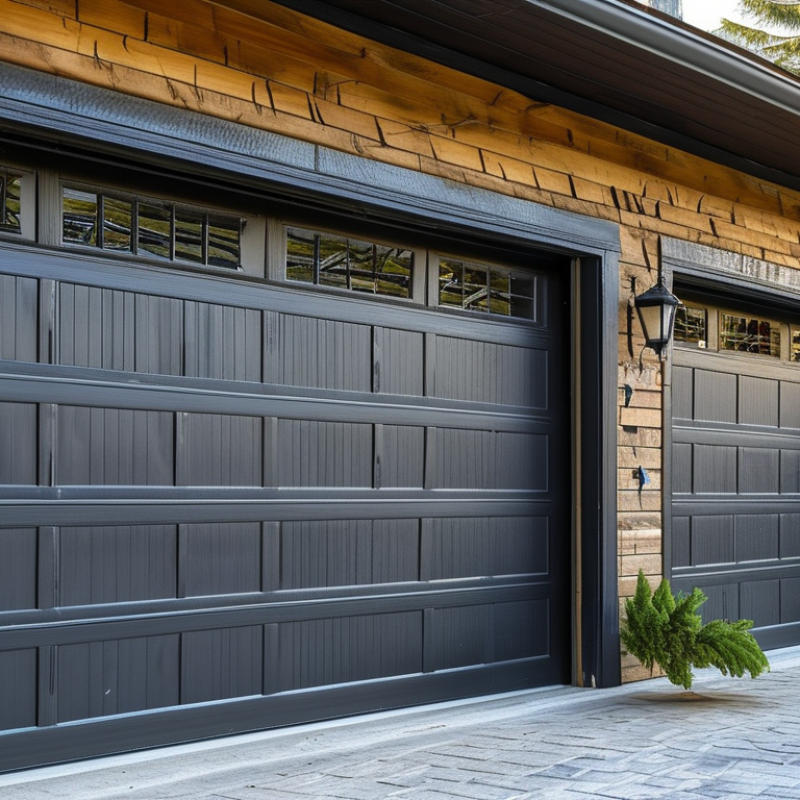
Garage door springs play a critical role in the functionality of your door. Two primary types exist: torsion springs and extension springs. Torsion springs are mounted above the door, twisting to lift it. Extension springs, located on either side, expand and contract as the door opens and closes. According to the International Door Association, over 30% of garage door failures are linked to spring malfunctions.
Common causes of spring breakage include age and wear. Springs typically last about 7 to 9 years. Heavy usage can shorten their lifespan. Environmental factors, such as humidity and temperature fluctuations, also contribute. Regular inspections are vital to catch wear early.
To extend the life of your springs, perform routine maintenance. Keep the springs clean and lubricated. Avoid slamming the door or forcing it open if it’s stuck. If you hear loud noises during operation, this might indicate a problem. Be proactive and consider replacing springs that show signs of fatigue.
Worn or damaged garage door springs can lead to significant issues. One of the most common signs of wear is a noticeable increase in noise. When springs begin to fail, you might hear squeaking or grinding sounds during operation. This is often an indication that the springs are losing tension and may soon break.
Another key sign is difficulty in opening or closing the garage door. If the door feels unusually heavy or doesn’t move smoothly, it could suggest that the springs are worn out. You might also notice that the door doesn’t stay open on its own. It may slam shut or sag when partially opened. These are clear indicators that the springs need immediate attention.
Look for visible wear as well. If you notice rust or any signs of deterioration, it’s time to assess their condition. Springs should be inspected regularly to prevent unexpected failure. Delaying repairs can lead to more extensive damage to your garage door system, causing potential safety hazards. Being proactive about these signs can save you time and money in the long run.
| Cause | Description | Signs of Damage | Preventive Measures |
|---|---|---|---|
| Overuse | Frequent operation can cause springs to wear out faster. | Unusual noises, slow operation. | Limit the number of cycles; regular maintenance. |
| Rust and Corrosion | Moisture can lead to rust, which weakens the springs. | Visible rust, squeaking noises. | Keep springs dry; consider high-quality coating. |
| Installation Errors | Incorrect installation can lead to premature failure. | Misalignment, uneven tension. | Hire qualified professionals for installation. |
| Wear and Tear | All mechanical components wear out over time. | Springs appear stretched or cracked. | Regular inspections and timely replacements. |
| Temperature Changes | Extreme heat or cold can affect the springs' integrity. | Unexpected breakage during temperature shifts. | Use springs rated for your climate. |
Garage door springs are critical to the door's operation. They bear a heavy load and experience wear over time. The most common cause of spring breakage is metal fatigue. This occurs when repeatedly stretched and contracted, causing cracks to develop. According to industry research, nearly 50% of spring failures result from this fatigue.
Environmental factors also play a role. High humidity and extreme temperatures can weaken springs. Corrosion from moisture can accelerate degradation. Furthermore, inadequate lubrication can lead to friction, increasing the risk of breakage. A study by the International Door Association highlights that improper maintenance leads to 30% of all spring failures.
Another frequent cause is incorrect installation. Springs must be calibrated precisely for safe operation. A survey indicates that over 20% of DIY garage door installations are incorrectly executed, leading to premature failure. Regular inspection and maintenance can help identify potential issues. It’s essential to rethink the importance of routine check-ups, which many homeowners overlook.
This chart illustrates the typical causes of garage door spring failure, highlighting the prevalence of each issue.
Garage door springs are essential for smooth operation. Over time, they experience wear and tear. Regular inspection can help catch issues early. This simple step may prevent sudden breakages. Look for signs of rust or deformation. If you notice these, it might be time for replacement.
Lack of lubrication is another common issue. Stiff springs can lead to unnecessary strain and eventual failure. Use a silicone-based lubricant to keep springs moving freely. Be cautious not to over-lubricate; it can attract dust and dirt. Aim for a clean, functional spring system.
Environmental factors also play a role. Extreme temperatures can weaken springs. Scheduling regular maintenance during seasonal changes can extend their lifespan. While it’s tempting to delay these check-ups, they are crucial for performance. A well-maintained garage door functions better and lasts longer. Remember, a proactive approach is more effective than reactive repairs.
Garage door springs play a crucial role in the functionality of your garage door. Understanding when to call a professional is essential. According to industry reports, approximately 1.5 million garage door springs break each year in North America. This high frequency underscores the importance of timely intervention for any spring issues.
If you notice unusual noises when opening or closing the door, it might be time to consult a professional. Frayed cables or a door that moves unevenly are strong indicators of spring failure. Experts suggest that ignoring these signs could lead to further damage or safety hazards. Regular maintenance can prevent premature spring failure.
Homeowners should be aware of the average lifespan of garage door springs, which is around 10,000 cycles. Over time, wear and tear accumulate. If your door is used frequently, it may require more frequent inspections. Self-diagnosing can often lead to oversight of critical issues. A professional can ensure that your garage door operates smoothly and safely.
: There are two main types: torsion springs and extension springs.
Torsion springs are mounted above the door. They twist to lift the door up.
The leading cause is metal fatigue from repeated stretching. This creates cracks.
Springs usually last about 7 to 9 years. Much depends on usage and wear.
High humidity and temperature changes can weaken springs. Corrosion can speed up damage.
Regularly clean and lubricate the springs. Avoid slamming or forcing the door open.
Inspections catch wear early. Many forget this, leading to sudden failures.
Incorrect installation can cause premature failure. Over 20% of DIY jobs are done wrong.
Loud noises during operation and visible fatigue or wear suggest replacement is needed.
Yes, heavy usage can significantly shorten their lifespan. Frequent use leads to quicker wear.
Garage door springs play a crucial role in the functionality of a garage door, but many homeowners often wonder why do garage door springs break. Understanding the common types of garage door springs and their functions can help identify signs of wear or damage, such as unusual noises or difficulty in opening the door. Typical causes of breakage include corrosion, rust, and improper installation, which can significantly reduce the springs' lifespan.
To prevent such issues, regular maintenance and inspections are essential. Homeowners should also be aware of when to seek professional help for garage door spring issues to avoid safety hazards. By being proactive, one can extend the lifespan of garage door springs and ensure a smoothly operating garage door system.

Gerald Doors