In 2026, many homeowners experience a puzzling issue: why does a garage door open by itself? This phenomenon has become more prevalent with the rise of smart home technology. According to a recent study by the National Association of Home Builders, over 70% of new garages are equipped with automatic doors. While this technology offers convenience, it also raises questions about security and functionality.
Several factors contribute to this problem. Faulty sensors and interference from nearby devices often cause malfunctions. In fact, research indicates that nearly 30% of garage door issues stem from environmental factors, such as radio frequency interference. This reveals a critical need for homeowners to better understand the mechanics of their smart devices.
As we navigate through a world increasingly connected by technology, the implications of these issues warrant reflection. Why does a garage door open by itself? Homeowners must be vigilant. Regular maintenance and awareness of security are essential to prevent these unexpected incidents.
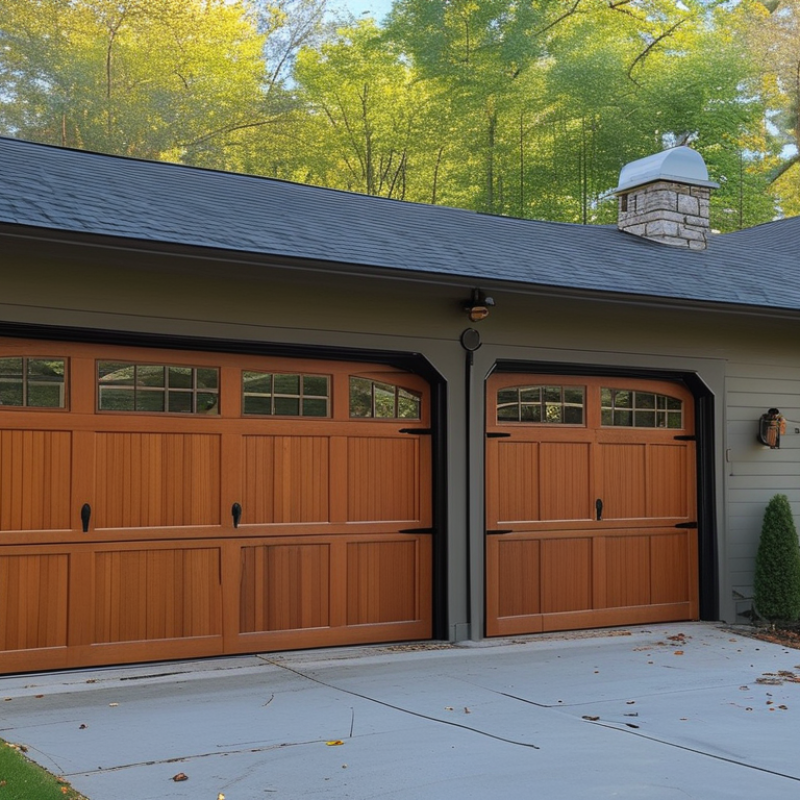
Garage door technology has drastically evolved by 2026. Smart systems now integrate seamlessly with home automation. These systems can be controlled remotely via smartphones. Users can receive alerts if their garage door opens unexpectedly. This innovation enhances security and convenience.
But not all advancements are flawless. Some systems may malfunction, leading to doors opening by themselves. This can be a result of software glitches or interference from nearby devices. Such issues raise concerns about privacy. Users must weigh the benefits against potential risks. Regular maintenance and updates are crucial to ensure functionality.
The aesthetics of garage doors have also changed. Homeowners now have diverse options in styles and materials. Customization allows for a harmonious blend with home exteriors. However, not all designs offer the same level of security. It's essential for homeowners to research and select wisely. In this intricate technological landscape, informed decisions matter greatly.
Many homeowners experience the perplexing issue of garage doors opening by themselves. Understanding the common causes can help you troubleshoot this frustrating problem. One main culprit is interference from nearby radio frequencies. Devices like walkie-talkies or even keyless entry systems can disrupt the signals. This interference can trigger the door to open unexpectedly.
Another frequent issue is malfunctioning sensors. Dirt, debris, or misalignment can cause sensors to fail. When sensors can't communicate properly, the door might think there is an obstruction and open automatically. Checking the sensor alignment and cleaning them regularly can reduce this risk.
Lastly, an old or failing opener can also lead to erratic behavior. Components wear down over time and may not respond as expected. Regular maintenance is essential but often overlooked. Neglecting your garage door's mechanical parts can result in unanticipated openings. Keeping an eye on these details ensures a more secure and reliable garage door system.
The rise of smart home systems has transformed garage door functionality. These systems offer convenience, but they can also lead to unexpected issues. If your garage door opens on its own, you might want to investigate your smart technology settings. A misconfigured app or network interference can cause strange behaviors.
Many users experience random openings due to overlapping signals. Wi-Fi networks might inadvertently control multiple devices, leading to confusion. Be cautious with your device placements. Ensure no two remotes or systems operate on the same frequency.
Tips: Regularly update your smart home software. This helps avoid glitches that might cause erratic behavior. Check for nearby networks that could interfere. If problems persist, consider using a garage door keypad as a backup. This can provide a reliable alternative to smart technology.
Relying solely on smart systems might leave you vulnerable. Some systems may fail if the internet goes out. A manual override is essential. Keep in mind that human error also plays a role. Double-check settings and configurations to reduce unwanted activations. Understanding your system's limitations can prevent future issues.
Garage doors can open by themselves due to various issues. Understanding these problems is essential for every homeowner. A recurring issue in many homes is interference from nearby radio frequencies. Studies show that nearly 30% of self-opening incidents are linked to devices mistakenly triggering the garage opener.
Tips: Check if any new nearby devices may cause interference. Consider changing your opener’s frequency if it’s a persistent issue.
Another common cause is malfunctioning sensors. These sensors help detect obstructions, ensuring safety. If they malfunction, they might send incorrect signals. According to industry experts, around 15% of garage door failures result from sensor issues.
Tips: Regularly inspect and clean your sensors. Avoid leaving them blocked or dirty. Also, verify that the sensors align correctly without obstacles.
Finally, outdated remotes could be a factor. Older remotes may lose programming or have worn-out buttons. Reports indicate that over 20% of remote-related issues stem from battery failure or excessive wear.
Tips: Replace batteries regularly and consider updating your remote if it shows signs of malfunction. Be proactive; addressing these issues can save time and ensure safety.
In 2026, securing your garage is more important than ever. Environmental changes and technological advances have made garage doors vulnerable. To prevent them from opening unexpectedly, regular maintenance is essential. Inspect the door's sensors for dust or debris. Simple cleaning can enhance their functionality.
Another effective measure is upgrading your garage door opener. Consider using a security code that you change regularly. Randomizing this code makes it harder for unwanted access. Additionally, installing a smart security camera can help monitor activity around your garage. You’ll gain peace of mind by seeing who approaches your door in real-time.
Sometimes, despite your best efforts, problems may still arise. Garage doors are complex systems. Frequent use can lead to wear and tear. A door might open on its own due to a malfunctioning keypad or a faulty remote. It's critical to consider these aspects regularly. Schedule professional inspections to catch hidden issues early. Your proactive steps can prevent significant problems in the long run.
| Issue | Description | Preventative Measure | Frequency of Issue |
|---|---|---|---|
| Interference from Neighbors | Signal interference from nearby remote controls | Change the code of your garage door opener | Occasional |
| Malfunctioning Sensors | Sensors may be damaged or misaligned | Regularly inspect and clean sensors | Frequent |
| Remote Control Failure | Stuck buttons or battery issues | Check batteries and replace remotes if necessary | Regularly |
| Faulty Wiring | Electrical shorts can cause random openings | Hire a professional for routine electrical checks | Rare |
| Weak Signal | Distance or obstructions affecting remote signal strength | Use signal boosters or reposition the antenna | Occasional |
: Interference from nearby radio frequencies can trigger unexpected openings. Devices like keyless systems might cause issues.
Malfunctioning sensors can cause doors to open unexpectedly. Dirt or misalignment can lead to sensor failure.
Regularly clean the sensors and check their alignment. This helps them function properly and reduces malfunction risks.
Yes, misconfigured app settings or overlapping signals might lead to random openings. Check for network interference.
Update your smart home software regularly. Ensure no two devices operate on the same frequency to avoid confusion.
No, it’s wise to know limitations. Systems may fail without internet. A manual override is essential for emergencies.
Look for nearby networks that might interfere with your system. Adjust the placement of devices if needed.
An old opener may behave erratically. Regular maintenance is crucial, but many overlook this part of their garage door.
Double-check settings and configurations to prevent unwanted openings. Errors can lead to frustrating experiences with automation.
Consider using a garage door keypad as a backup. It provides a reliable alternative if smart technology fails.
As we approach 2026, the evolution of garage door technology has brought significant advancements, yet it also raises questions such as "why does a garage door open by itself?" This phenomenon can result from several common causes, including interference from nearby devices, faulty sensors, or technical glitches within the system.
The integration of smart home systems has further transformed garage door functionality, allowing for enhanced convenience but also introducing new vulnerabilities. To address unintended garage door openings, troubleshooting tips can help identify and resolve issues, while preventative measures are crucial to securing your garage and ensuring peace of mind. By understanding the intricacies of garage door mechanisms and leveraging modern technology responsibly, homeowners can mitigate risks and enjoy the benefits of their automated systems.

Gerald Doors