7 Tips on Garage Door Installation Cost Factors

Time:2026-09-28 Author:Liam
0%

Replacing a garage door can look like a simple purchase: choose a style, compare prices, and book an installer. The real bill often includes more than the door itself. This guide explains what factors affect garage door installation costs, from door size and material to labor and removal of the old system. A standard steel door may be relatively straightforward to fit, while a custom wood design can require special ordering and careful handling. Small details matter. Insulation, windows, color, and hardware can all change the final quote.

The property matters, too. A narrow driveway, uneven opening, or damaged frame may add work that is hard to spot in an online estimate. Existing tracks, springs, and an opener may need replacement or adjustment, depending on their condition and compatibility. Ask the installer to separate product costs from labor and additional work. It is easy to overlook that. A clear, written estimate helps you compare options without assuming the lowest number covers everything. Prices vary by location and project, so an inspection is more reliable than a generic average. I would not pretend every cost can be predicted from a checklist; some surprises only appear once the old door is removed. The tips ahead can help you ask better questions and plan a realistic budget.
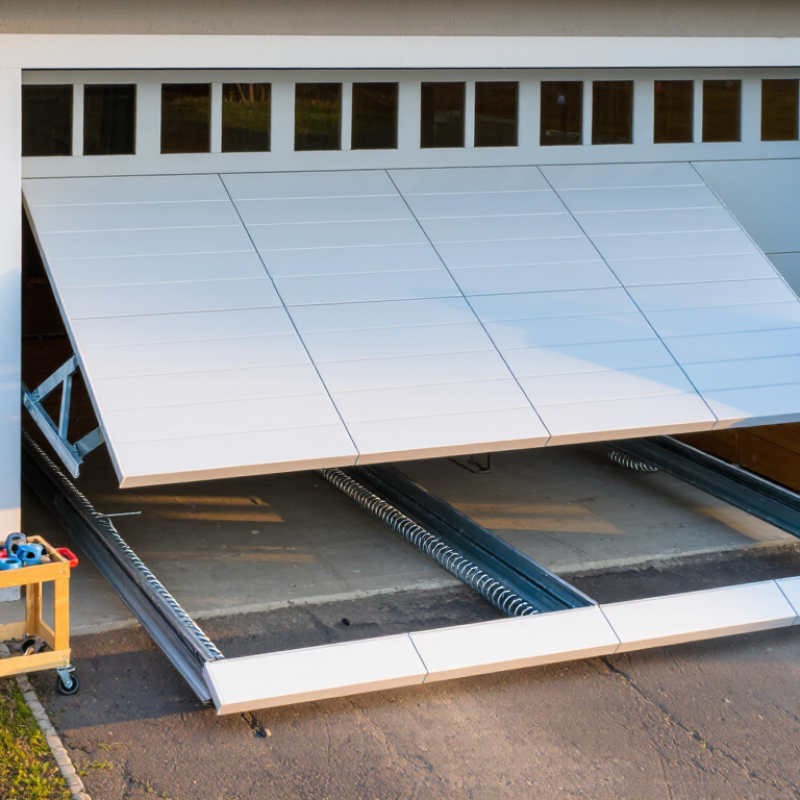
7 Tips on Garage Door Installation Cost Factors

Key Components That Shape Garage Door Installation Costs

The biggest garage door installation cost factors are the door’s size, material, and weight. A single-car door usually needs less material and labor than a wide two-car model. Steel is often a practical, lower-maintenance choice, while wood can cost more and may need regular sealing. Insulation also changes the price. It can be worthwhile when a garage sits below a bedroom or shares a wall with living space. Small details matter.

Labor depends on the opening and the condition of the existing frame. A straightforward replacement may take less work than an installation where the tracks are misaligned or the framing needs repair. Old door removal and disposal may be billed separately, so check the estimate. An opener, keypad, or new remote can add to the total, too. Not always included.

Hardware deserves a close look. Springs, cables, rollers, and tracks must match the door’s weight and design; reusing worn parts can create trouble later. Ask whether the quote covers these components, weather seals, cleanup, and adjustments after installation. A line-by-line estimate is more useful than one lump sum. It is easy to focus on the panel and miss the smaller charges. Costs can also vary with local labor rates and access to the garage, so compare quotes for the same specifications rather than choosing by the lowest figure alone.

How Door Material and Design Affect the Price

A garage door’s material can change the price before installation begins. Steel is often a practical choice because it is durable and available in several finishes. Thicker steel and added insulation usually cost more. Wood offers natural grain and a distinctive appearance, but it may need periodic sealing or repainting. Moisture can also affect its upkeep. Aluminum is lighter and resists rust, though thin panels may dent more easily. Fiberglass can imitate wood grain, but availability and repair options vary by area.

Design matters, too. A simple raised-panel door generally costs less than a custom design with windows, decorative hardware, or unusual dimensions. Windows add visual interest and daylight, but their placement can affect privacy and insulation. A full-view glass door may require stronger hardware and careful consideration of heat gain. Small details add up.

Compare complete installed estimates, not just door prices. Ask whether the quote includes tracks, springs, weather seals, disposal, and adjustments. A heavier door may need a different spring setup, which changes labor and parts. Two doors that look similar can have different insulation ratings and construction. It is easy to focus on curb appeal and overlook long-term maintenance; that trade-off deserves a closer look.

Why Size, Insulation, and Features Matter

Door size is the first cost factor to check. A wider or taller opening usually needs more door sections, stronger hardware, and careful track alignment. Measure the finished opening, not just the old door panel. Even a small mismatch can mean extra framing or installation work.

Insulation adds weight and material cost, but it may make a garage more comfortable when it shares a wall with living space. Compare the door’s stated R-value and construction, rather than relying on the word “insulated.” A heavier door may also require properly matched springs and opener settings.

That detail is easy to overlook. The estimate can still surprise you.

Features change the price in smaller, sometimes cumulative ways. Windows, decorative panels, thicker steel, and custom sizing can raise the total.

In Remodeling magazine’s 2024 Cost vs. Value Report, a garage door replacement had a national average project cost of $4,513; the reported figure is a benchmark, not a quote for every home.

Local labor, opening condition, and chosen options all affect the final bill. Ask for separate material and labor prices, and confirm whether removal and disposal are included.

How Labor, Removal, and Site Conditions Change the Estimate

Labor costs depend on more than the hours needed to hang a door. A straightforward replacement may use existing tracks and framing, while a different door size or damaged jambs can require extra adjustment. Ask whether the estimate includes balancing the springs, aligning the tracks, and testing the safety reversal system. Those steps matter. A low labor quote may leave them unclear.

Removing the old door can add time and disposal fees. Heavy sections, rusted hardware, or a door that is difficult to access may take longer to dismantle safely. Some estimates include haul-away; others leave the old panels at your home. Check the written scope before work begins. Not always obvious.

Site conditions can shift the price, too. An uneven concrete floor may leave gaps beneath the door, while low ceiling clearance can limit track placement. Tight side clearance, clutter near the opening, or deteriorated framing may also affect installation. A useful estimate follows an on-site inspection and notes these details, rather than relying only on door dimensions. Even then, hidden rot can appear after removal. Ask how unexpected repairs are priced, and request approval before additional work starts.

Ways to Compare Quotes and Plan Your Installation Budget

Garage door quotes can differ because they may include different work. Compare the same door size, material, insulation rating, track, opener, removal, and disposal. The 2024 Cost vs. Value Report by Zonda estimated a national average cost of $4,513 for garage door replacement. Its estimated resale value was $8,751. These figures are a benchmark, not a promise; local labor, door size, and project scope change the price. Small details matter.

Tips 1–4: Ask each installer for an itemized quote. Check whether old-door removal and haul-away are included. Confirm the insulation rating and hardware specifications in writing. Ask whether the price covers adjusting tracks and testing safety sensors. A low quote may omit essential work.

Tips 5–7: Compare labor and materials separately, then check the warranty terms and payment schedule. Keep a 10–15% contingency for hidden framing damage or electrical adjustments; this is a planning allowance, not an industry standard. Request a written timeline and clarify who handles permits, if required locally. Save each revised quote. I still find spreadsheets imperfect: one overlooked disposal fee can distort a careful comparison.

FAQS

What factors affect garage door installation costs most?

Door size, material, weight, and insulation often shape the price. A wide two-car door generally needs more materials and labor. Details matter.

Does the door material change maintenance needs?

Steel is often practical and needs less maintenance. Wood may cost more and can require regular sealing. That upkeep is easy to underestimate.

What should an installation quote include?

Look for the door, hardware, labor, weather seals, adjustments, and cleanup. Check whether removal and disposal are included. Not always obvious.

Can site conditions increase labor costs?

Yes. Misaligned tracks, low ceiling clearance, or damaged framing can require extra work. An on-site inspection may reveal details that measurements miss.

Which hardware should installers check?

Springs, cables, rollers, and tracks should match the door’s weight and design. Worn parts may cause trouble later. Ask what will be replaced.

How can I compare two quotes fairly?

Match the door size, material, insulation rating, opener, removal, and hardware specifications. Compare labor and materials separately. A low total may omit important work.

What is a reasonable budget for unexpected repairs?

The article suggests keeping a 10–15% contingency for hidden framing damage or electrical adjustments. This is a planning allowance, not an industry standard.

Is there a national average replacement cost?

A 2024 report estimated an average cost of $4,513 and resale value of $8,751. These are benchmarks, not promises. Local prices vary. I would still check every disposal fee.

Conclusion

Understanding what factors affect garage door installation costs can help homeowners set a realistic budget before starting a project. The final price depends on several connected choices, including the door’s material, design, dimensions, and insulation level. A basic, standard-size door may cost less than a larger or more decorative model, while added insulation and features can increase the total in exchange for greater comfort or convenience.

The estimate also reflects the work required to complete the installation. Labor rates, removal and disposal of an existing door, and site conditions—such as limited access or needed adjustments—can all affect the price. To compare quotes fairly, check that each estimate includes similar materials, labor, removal, and any additional work. Asking questions about possible extra charges and setting aside a contingency can make it easier to plan a budget and choose an installation that fits both your needs and your finances.

Liam

Liam

Liam is a dedicated marketing professional with a profound expertise in the industry, where he excels at highlighting the unique advantages of our core products. With a keen understanding of market trends and consumer needs, Liam frequently updates our company’s professional blog, providing......