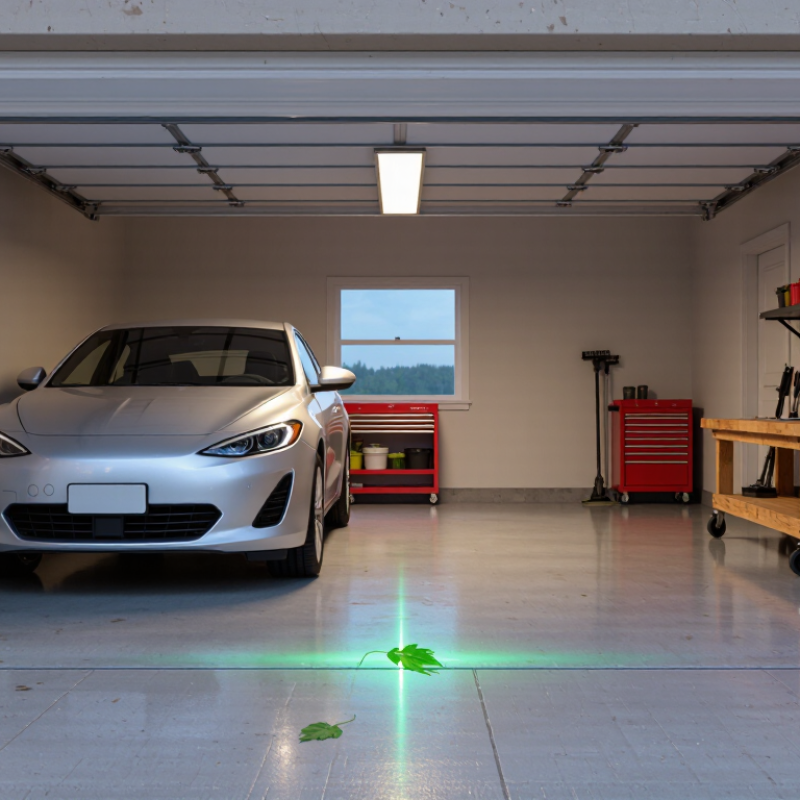
A garage door that refuses to close can leave your home exposed and your evening routine on hold. You press the remote. The opener hums, but the door stops above the concrete. If you’re asking, “why is my garage door not closing properly,” the cause may be simple: blocked photo-eye sensors, misaligned tracks, or a remote with a weak battery. Small details matter. A leaf across the sensor beam can be enough.
This guide explains how to check common, visible issues safely in 2026, from dusty sensor lenses to incorrect opener settings. Look for blinking sensor lights, debris near the tracks, or an object beneath the door. Never force the door or adjust springs and cables; those parts can cause serious injury. Some fixes are straightforward. Others need a trained technician. Because no source was provided for a named expert quotation, this introduction does not invent one. A verified expert’s advice should be attributed only after checking the original source. If basic checks do not restore normal operation, stop and arrange professional service. A little caution can prevent a small fault from becoming a costly repair.
Before troubleshooting a garage door that will not close, check whether the door is unstable or someone is in its path. Keep children, pets, and vehicles away. Do not stand beneath a crooked door or pull the emergency release while it is open; a failed spring or cable can let it drop suddenly. CPSC injury surveillance has been cited as estimating roughly 20,000 emergency-room-treated injuries involving garage doors each year. The exact risk at home is hard to judge, but the warning is clear: treat a heavy door as a serious hazard.
Look from a safe distance for a frayed cable, a visible gap in a spring, a door hanging unevenly, or rollers out of their tracks. Stop there. These parts can hold dangerous tension; do not touch or adjust them. DASMA safety guidance calls for functioning entrapment protection, including reversal when a closing door meets an obstruction. If the door reverses unexpectedly, fails to respond, or has damaged hardware, keep people clear and contact a qualified technician. A small sensor obstruction may be harmless, but I would not assume that until the door itself looks level and secure.
Before troubleshooting, look for these warning signs. The scores are a qualitative triage guide—not measured injury rates.
Priority guide: 3 = stop using the door and contact a qualified technician; 2 = avoid forcing the door and arrange prompt inspection. Keep people clear of a moving door. Never handle springs or cables yourself. If safe, check that the photo-eye sensors are unobstructed and aligned.
When a garage door reverses before reaching the floor, inspect the doorway before adjusting the opener. A pebble, dried leaf, or thin strip of ice can interrupt the closing edge. Clear the threshold, then check whether the door’s rubber seal is folded or catching.
Look along both tracks for dents, grit, or loose fasteners. A small bend can make rollers bind, often leaving scrape marks or a sudden jerk. Do not force the door or loosen track hardware; a heavy door can shift unexpectedly. If it hangs unevenly, stop and call a qualified technician.
Check the safety sensors near the floor. Wipe both lenses with a soft, dry cloth, then confirm they face each other and their indicator lights are steady. DASMA Technical Data Sheet 167 specifies sensor placement no higher than 6 inches above the floor. That measurement matters: a sensor mounted too high may fail to detect a child or pet in the doorway. Test the door only after clearing the opening. If it still reverses, or a sensor bracket is bent, leave the opener unplugged and arrange professional inspection. Sensors can look aligned and still be faulty.
When a garage door will not close, it is easy to blame the opener too soon. A balance check can reveal whether the door itself feels unusually heavy or moves unevenly. Only test it when the door is fully closed. If it is stuck partly open, do not pull the emergency release; the door could drop.
With the door closed, disconnect the opener using its release handle, following the instructions for your door. Lift the door slowly by hand to about waist height. A balanced door should stay near that point, though a small drift may occur. Keep hands clear. If the door feels very heavy, rises crookedly, or will not stay put, lower it gently if safe and stop there.
Do not tighten, loosen, or remove spring hardware. Springs hold dangerous tension, and even a simple-looking adjustment can cause serious injury. That matters. If the door moves smoothly and stays near halfway, reconnect the opener only when the door is fully closed. Then check for blocked photo-eye sensors, dirty sensor lenses, or debris along the track. A balance test cannot identify every closing fault. If the door binds or feels heavy, leave it closed and contact a qualified garage-door technician.
| Check | How to Check Safely | What to Look For | What to Do Next |
|---|---|---|---|
| Clear the doorway | Look across the floor and around the door’s travel path for objects, debris, or anything that could obstruct movement. | The opening and tracks are free of visible obstructions. | Remove accessible obstructions, then try closing the door using its normal controls. |
| Check the safety sensors | Inspect the sensors near the bottom of the tracks. Make sure nothing blocks the beam and that the sensor lenses are clean. | The sensor lenses face each other and their indicator lights show normal operation for the installed system. | Clear the beam path and gently clean the lenses with a soft, dry cloth. Follow the door manual if alignment remains in question. |
| Inspect the tracks and rollers | From a safe distance, look for visible debris, bent track sections, loose-looking hardware, or damaged rollers. | Tracks appear clear and straight; rollers are seated in the tracks. | Remove loose debris only if it is safely accessible. Do not loosen track hardware or attempt to straighten a track under load. |
| Prepare for a balance check | Keep people and pets away. Close the door fully before disconnecting the opener, then use the emergency release as described in the door manual. | The door is fully closed and stable before it is disconnected from the opener. | Do not disconnect an open door. If the door will not close, appears unstable, or a spring looks damaged, stop and contact a qualified garage-door technician. |
| Test the door’s balance | With the opener disconnected, lift the door manually and slowly to about waist height, only if it moves smoothly and feels safe to handle. | A properly balanced door generally stays near the halfway position rather than dropping quickly or rising on its own. | If the door is unusually heavy, moves suddenly, or will not remain near halfway, lower it carefully if safe and arrange professional service. |
| Reconnect and retest | After the manual check, return the door to the fully closed position and reconnect the opener according to its manual. | The trolley reconnects correctly and the door operates normally without unusual noise or movement. | Test the close cycle while keeping the doorway clear. If the door still reverses or will not close, stop repeated operation and seek service. |
| Leave spring adjustments to a professional | Look only for obvious signs of damage, such as a visibly separated spring or a door that is suddenly heavy; do not touch spring hardware. | Springs and related cables remain untouched during the balance check. | Do not loosen, wind, or adjust springs. Torsion and extension springs are under high tension and can cause serious injury. |
When a garage door refuses to close, check the opener’s settings before changing hardware. Start with the basics. Confirm the wall control’s lock feature is off and any timer-to-close setting is configured as intended. Look for blinking or dark photo-eye sensors near the floor; wipe the lenses and check that both face each other. A small shift in a bracket can interrupt the beam. It is easy to blame the opener too soon.
Review the travel limits: these tell the opener where the floor is. If the door reverses before touching down, the closing limit may need careful adjustment. Consult the opener’s manual and change only the specified control. Do not raise the force setting to overpower resistance; that can hide a binding door or safety fault. I may overlook a simple setting myself, but repeated adjustments without testing can make diagnosis harder.
Test the full closing cycle with the area clear. DASMA’s Technical Data Sheet 167, Safety Guidelines for Garage Door Openers, recommends monthly safety checks, including a reversal test using a 1½-inch-high object beneath the door. The door should reverse on contact. Also interrupt the sensor beam during closing; the door should stop or reverse. If either test fails, stop using the opener and arrange qualified service. Do not force the door. A heavy, crooked, or jammed door may have a spring or track problem that settings cannot fix.
When a garage door will not close, a quick visual check can help reveal whether the problem needs professional attention. If the safety sensors are visibly misaligned or blocked, clear debris and gently check that both units face each other. Do not keep pressing the wall button if the door reverses, strains, or makes a sharp grinding sound. That can worsen a mechanical fault. Sometimes the cause is less obvious than it looks.
Call a garage door technician if you see a loose or frayed cable, a visible gap in a torsion spring, a bent track, or rollers coming out of the track. These parts can carry substantial tension, so do not attempt to adjust or remove them yourself. A door that feels unusually heavy, hangs unevenly, or drops suddenly also needs prompt inspection. Keep people and pets away from it. A small warning matters.
If the door closes only while you hold the button, or repeatedly reverses despite clear sensors, a technician can test the safety system and opener settings. Note what happens, including any flashing sensor lights or unusual noises, and share those details when you call. Avoid forcing the door shut; I might be tempted to try, but that could hide the fault or create a bigger one.
Keep children, pets, and vehicles away. Look from a safe distance. Do not stand beneath a crooked door or pull the emergency release while it is open.
Stop if you see a frayed cable, a gap in a spring, uneven hanging, or rollers outside their tracks. Do not touch these parts; they can hold dangerous tension. Contact a qualified technician.
A pebble, dried leaf, strip of ice, or folded rubber seal may block the closing edge. Clear small debris only when the doorway is safe. It may be that simple.
Look for dents, grit, loose fasteners, or scrape marks. Do not force the door or loosen track hardware. A small bend can make rollers bind.
Wipe both lenses with a soft, dry cloth. Check that they face each other and their indicator lights stay steady. Sensors should be no higher than six inches above the floor.
They can look aligned and still be faulty. Keep the opening clear. If the door keeps reversing or a bracket is bent, leave the opener unplugged and arrange professional inspection. I would not guess here.
Only test when the door is fully closed. Disconnect the opener according to its instructions, then lift the door slowly to about waist height. A balanced door should stay near that point, though slight drift may occur.
Stop if the door feels heavy, rises crookedly, or will not stay put. Do not adjust spring hardware. Lower it gently only if safe, then contact a qualified technician. Keep hands clear.
If your garage door will not close, begin by assessing safety risks before troubleshooting. Keep children, pets, and objects away from the doorway, and do not stand beneath a moving door. Check the opening and tracks for obstructions, then inspect the safety sensors for dirt, misalignment, or anything blocking their path. These simple checks may explain why is my garage door not closing properly and can help identify a problem without taking the system apart.
Next, review the door’s balance only by observing its movement; never adjust the high-tension springs yourself. Check the opener’s settings and test the closing cycle from a safe position, watching for reversing, unusual noise, or uneven movement. If the door feels unusually heavy, appears crooked, has damaged parts, or still will not close after basic checks, stop using it and contact a qualified garage door technician.

Gerald Doors