China Best Tips to Make Your Garage Door More Energy Efficient?

Time:2026-07-05 Author:Amelia
0%

Garage doors play a crucial role in home energy efficiency. Many homeowners overlook their garage doors when seeking ways to improve insulation. Learning how to make a garage door more energy efficient can lead to significant energy savings and comfort benefits.

One effective way to enhance efficiency is through proper insulation. Insulated garage doors help maintain stable temperatures. This means less reliance on heating or cooling systems, which can lower utility bills. Additionally, sealing any gaps or cracks is essential. These small openings can let in drafts, undermining your efforts to create an energy-efficient space.

Regular maintenance can also contribute to energy savings. Checking the weatherstripping and replacing it when worn can make a difference. A well-maintained garage door not only operates smoothly but also functions better at keeping the elements outside. Understanding these strategies allows homeowners to take actionable steps toward energy efficiency.
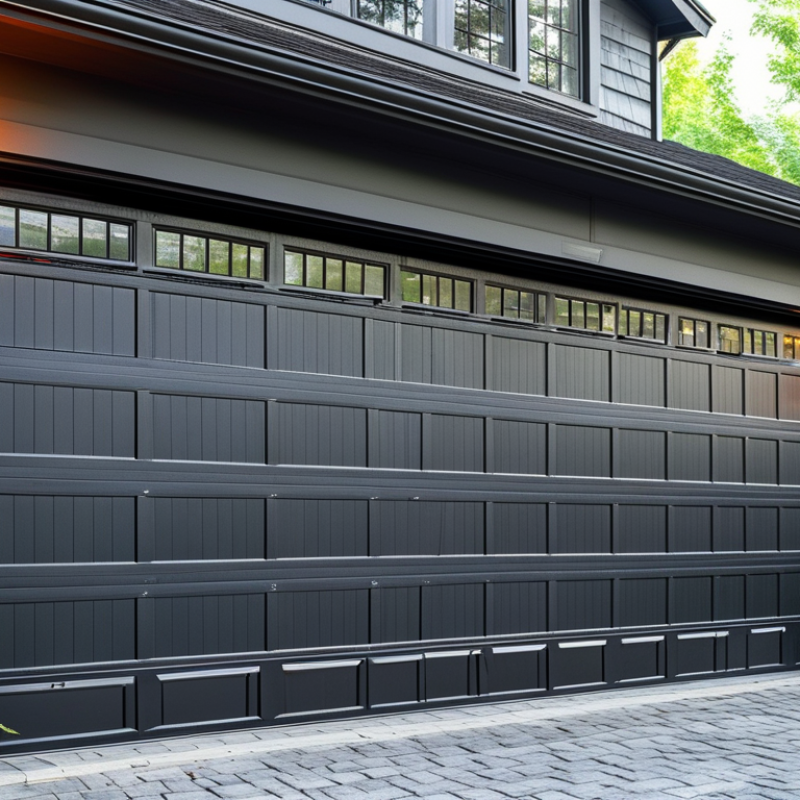
China Best Tips to Make Your Garage Door More Energy Efficient?

Choosing the Right Insulation for Your Garage Door

When it comes to enhancing your garage door’s energy efficiency, insulation is a critical factor. It helps in maintaining a stable temperature, reducing heating and cooling costs. The right insulation can make a noticeable difference. Consider materials like polystyrene and polyurethane. These offer excellent thermal resistance. Properly installed, they can significantly lower energy bills in both summer and winter.

Choosing the right thickness matters too. Thicker insulation generally provides better energy efficiency. However, it can also add weight to the door. Assess the door’s ability to support added weight. Also, the garage door’s material impacts insulation effectiveness. Metal doors, for example, tend to lose heat quickly. A well-insulated garage door reduces drafts. It can eliminate cold spots during winter, making your garage more comfortable.

Installation is often overlooked but can affect performance. Misalignment can lead to gaps that diminish effectiveness. Check for any signs of wear in the insulation over time. Regular maintenance is necessary to ensure continued efficiency. Reflect on your current setup and see where improvements can be made. With careful consideration, you can increase your garage's energy efficiency and ensure comfort year-round.

Sealing Gaps and Cracks to Improve Energy Efficiency

Improving the energy efficiency of your garage door starts with sealing gaps and cracks. These small openings may seem harmless, but they can lead to significant energy loss. Cold air can enter during winter, and cool air escapes in the summer. This can increase energy bills and affect your home’s comfort.

Inspect your garage door regularly for any visible gaps. Pay close attention to the bottom and sides. Weather stripping is a reliable solution for sealing these areas. It fits snugly and can block drafts effectively. Consider using foam sealants for smaller cracks. These products expand and fill the voids, offering better insulation.

Sometimes, the materials you choose can affect sealing effectiveness. For instance, consider adding a door sweep at the bottom of the door. Ensure it makes firm contact with the floor. Not all garage doors come with this feature, so it might be worth the investment. Remember, maintaining energy efficiency is an ongoing process. Regular checks and updates can help in minimizing energy costs.

Energy Efficiency Improvements for Garage Doors

This chart represents various methods to improve the energy efficiency of garage doors, rated on a scale from 1 to 10 based on their impact. Sealing gaps and adding insulation are key strategies to enhance efficiency.

Selecting Energy-Efficient Garage Door Materials

When selecting materials for a garage door, energy efficiency is often overlooked. However, the right choices can significantly reduce energy costs. Industry reports suggest that energy-efficient garage doors can save homeowners up to 20% on heating and cooling bills. This typically results from using superior insulation materials.

Considering types of insulation is crucial. Polystyrene and polyurethane are popular options. They offer high R-values, meaning they resist heat flow effectively. Research indicates that polyurethane insulation typically has a higher R-value than polystyrene. This makes it a better choice for energy efficiency. Some homeowners may question whether they need such high insulation levels. The reality is that every bit helps, especially in extreme weather regions.

Incorporating seals on the edges of the door also contributes to energy efficiency. A good seal prevents drafts and keeps indoor temperatures stable. It’s essential to check these seals regularly. Small gaps may not seem significant, but they can lead to major energy losses over time. Another tip is to consider reflective coatings for garage doors. These can help keep your garage cooler during hot months. A cooler garage can translate to lower cooling costs for your home. Evaluating your garage door's materials and insulation can lead to improved energy efficiency and comfort.

Regular Maintenance Tips to Enhance Garage Door Performance

Proper garage door maintenance is essential for enhancing energy efficiency. A well-maintained door can prevent drafts and heat loss. Regular checks can identify small issues before they escalate. Ensure that seals and weather stripping are intact. If they are worn or damaged, replace them promptly. This small step can significantly improve insulation.

Another important tip is to lubricate the moving parts regularly. This reduces friction and wear, making the door operate smoothly. Use a light machine oil for the rollers and hinges. A smooth operation helps maintain temperature control in your garage. Check the door alignment as well. An uneven door can create gaps, allowing air to escape and enter.

Be mindful of the garage door opener settings too. Adjust the force and limit settings according to the manufacturer's recommendations. A poorly set opener can strain the door mechanism, leading to decreased performance. Regularly inspect the sensors to ensure they function correctly. A malfunctioning sensor can affect the door's efficiency. Keep these tips in mind for a more energy-efficient garage space.

China Best Tips to Make Your Garage Door More Energy Efficient? - Regular Maintenance Tips to Enhance Garage Door Performance

Tip Description Frequency
Inspect Weather Stripping Check for any cracks or damages in the weather stripping to prevent drafts. Every 3 months
Lubricate Moving Parts Ensure that all moving parts are regularly lubricated to reduce friction and energy consumption. Every 6 months
Seal Gaps Use foam sealant to close any gaps around the garage door frame. As needed
Insulate the Garage Door Consider adding insulation panels to improve energy efficiency. Once every few years
Check Door Balance Make sure the door opens and closes smoothly; this can affect energy use. Annually

Utilizing Weatherstripping for Optimal Temperature Control

Weatherstripping is a vital step to improve garage door energy efficiency. Properly sealed garages reduce temperature fluctuations. According to the U.S. Department of Energy, sealing leaks can save homeowners about 15% on heating and cooling costs. This is significant, especially for spaces like garages that are often overlooked.

When applying weatherstripping, focus on cracks and gaps where air escapes. Common materials include adhesive-backed foam, vinyl, or rubber. Each type serves specific needs. Foam works well for small gaps, while rubber is more durable for larger openings. A reliable method involves measuring these spaces accurately. Improperly sized weatherstripping can lead to waste and inefficiency.

Nevertheless, some homeowners may overlook this important aspect due to lack of awareness or time. Regular checks are often neglected. Over time, wear and tear can degrade weatherstripping, affecting performance. It's essential to evaluate and replace worn strips to maintain optimal temperature control. Doing so not only enhances energy efficiency but also contributes to overall comfort in the home.

FAQS

: Why is it important to seal gaps and cracks in garage doors?

: Sealing gaps and cracks prevents energy loss and reduces heating and cooling costs. Small openings can lead to discomfort.

How often should I inspect my garage door for gaps?

Regular inspections are important. Check for visible gaps, especially at the bottom and sides.

What products can help seal smaller cracks in garage doors?

Foam sealants are effective for filling small gaps. They expand and provide better insulation.

What is a door sweep and why is it necessary?

A door sweep seals the bottom of the door. It helps block drafts, improving energy efficiency.

How do insulation materials affect garage door energy efficiency?

Using materials like polystyrene or polyurethane can significantly reduce energy costs. Higher R-values provide better heat resistance.

Can reflective coatings on garage doors contribute to energy savings?

Yes, reflective coatings help keep garages cooler, reducing cooling costs in hot months.

Should I focus on edge seals for my garage door?

Yes, good edge seals prevent drafts. Regular checks on seals ensure stable indoor temperatures.

How can I maintain energy efficiency with my garage door?

Regular checks, seal updates, and material evaluations are essential. Improvements help minimize energy costs effectively.

Is high insulation necessary for all homeowners?

While it may seem excessive, every bit of insulation helps, especially in extreme weather regions.

What common mistakes do homeowners make in improving garage door efficiency?

Many overlook small gaps, ignore regular inspections, or underestimate the impact of insulation levels.

Conclusion

To learn how to make a garage door more energy efficient, several practical strategies can be employed. First, selecting the right insulation is crucial, as it helps maintain a stable temperature within the garage. Additionally, sealing any gaps and cracks will prevent air leaks, improving overall energy efficiency. Choosing materials specifically designed for energy efficiency can also contribute significantly to reducing energy loss.

Regular maintenance is essential for optimal performance; this includes checking for wear and tear and ensuring all parts function effectively. Utilizing weatherstripping can further enhance temperature control, providing a barrier against the elements. By implementing these tips, homeowners can effectively enhance the energy efficiency of their garage doors, leading to greater comfort and reduced energy costs.

Amelia

Amelia

Amelia is a seasoned marketing professional with a wealth of expertise in our company’s core offerings. With an unwavering passion for driving growth and innovation, she plays a pivotal role in shaping our marketing strategies and enhancing brand visibility. A key aspect of her responsibilities......