China Top 10 Garage Door Suppliers: How Long Do They Last?
When homeowners ask, “how long do garage doors last,” the honest answer depends on materials, installation, climate, and maintenance. A quality residential garage door commonly serves for 15 to 30 years. Its springs, rollers, cables, and opener may need replacement much earlier. Steel doors can handle daily use well, while wood doors require more frequent sealing and inspection. Coastal air, freezing winters, and intense sunlight can shorten service life.
Tom Wadsworth, a recognized garage door industry consultant, often reminds homeowners, “A garage door is the largest moving object in your home.” That practical warning matters when comparing China’s top 10 garage door suppliers. Product photos cannot reveal panel thickness, spring quality, hardware strength, or factory testing. Ask for cycle ratings, warranty terms, corrosion protection, and installation guidance. Check the details.
This guide examines expected lifespans across leading Chinese suppliers, including sectional, roller, insulated, and custom garage doors. It considers real operating conditions, not only catalog promises. A door used twice daily faces a different workload from one opened twenty times. Small habits matter. Lubricating moving parts, tightening loose hardware, and scheduling professional inspections can prevent expensive failures. Still, this topic is not perfectly predictable. Even a well-built door may age early after poor installation or storm damage. Supplier reputation helps, but verified specifications and after-sales support matter more. The strongest choice is not always the cheapest one. It is the door that remains safe, quiet, and reliable years after installation.
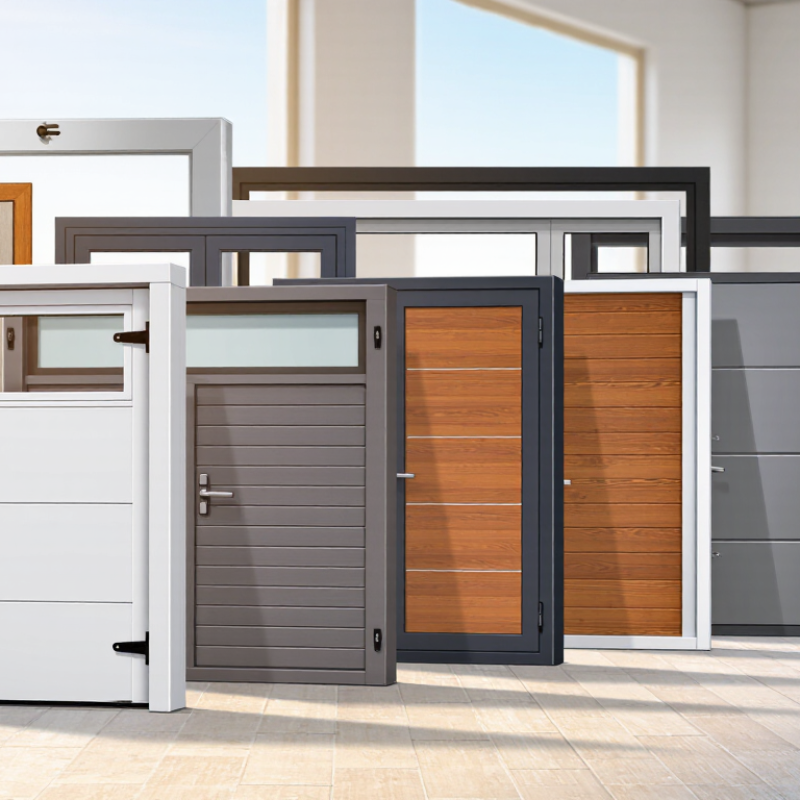
A garage door’s lifespan begins with the supplier’s product design, not the day of installation. Reliable suppliers specify steel thickness, coating quality, spring strength, and hardware resistance. These details matter in humid coastal air and freezing winters. A well-built door may survive 15 to 30 years, but its springs and rollers usually need attention earlier. They work hard.
Suppliers should support cycle testing, material inspections, and clear installation guidance. A cycle rating shows how many opening and closing movements the mechanism can handle under controlled conditions. It does not guarantee the same result in every home. A heavy door, poor alignment, or frequent daily use can shorten that figure quickly. This is where supplier experience becomes visible. Precise manuals, replacement parts, and trained technical support often prevent small faults from becoming expensive failures.
Installation quality is equally important. Even strong panels can bend when tracks are uneven or fasteners are poorly selected. Regular lubrication, safety checks, and spring inspections also protect service life. In my experience, neglected rollers often create warning noises before serious damage appears. Homeowners should listen carefully. However, lifespan claims still deserve scrutiny. Some suppliers emphasize impressive test numbers while saying little about field performance, maintenance needs, or warranty limits. That gap deserves honest questions before purchase.
China’s top ten garage door suppliers usually cover several practical product ranges. Their catalogs often include insulated sectional doors, rolling doors, side-hinged doors, full-view aluminum doors, and custom residential designs. Some focus on steel panels for warehouses, while others produce glass doors for showrooms. Several suppliers also offer motors, tracks, springs, windows, seals, and access controls. This wider range can simplify purchasing, but it may reduce specialization.
In field projects, a well-installed sectional door commonly lasts 15 to 25 years. Springs, rollers, and openers usually need service much earlier. Coastal air, heavy daily traffic, poor drainage, and weak installation can shorten that period. Supplier quality matters, but the installer matters just as much. Ask for panel thickness, insulation values, cycle testing, coating details, spare-part availability, and warranty conditions. Request production samples before placing a large order. A polished catalog is not proof of durable engineering.
Tips: Compare at least three samples under the same conditions. Check hinge movement, seal compression, paint consistency, and noise during operation. Ask for test reports that match the exact model, not a similar product. My own practical concern is often overlooked: replacement parts may become difficult after several years. Confirm standard dimensions and keep critical components in reserve. One weak seal can defeat an otherwise excellent door.
Estimated average lifespan by common garage door product category
Typical service life depends on material quality, climate, installation, usage frequency, and maintenance. These industry-based estimates represent residential garage doors operated under normal conditions.
A garage door’s service life begins with its materials, not its catalog appearance. In supplier evaluations, galvanized steel often performs well because its zinc coating slows surface corrosion. Thicker panels also resist dents, wind pressure, and repeated movement. However, steel can still rust around cut edges, screw holes, and poorly sealed joints. Aluminum resists corrosion better, but it may bend more easily after impact. Wood offers warmth and strength, yet it needs regular sealing in wet climates.
Construction quality matters just as much. Strong hinges, reinforced brackets, and properly balanced torsion springs reduce stress on the opener and panels. Rollers should move smoothly without rattling against the tracks. Welds must look continuous and clean, especially around load-bearing frames. A weak connection may remain hidden until thousands of operating cycles expose it. Details matter.
Insulation also affects durability. A rigid foam core can limit panel flexing during temperature changes, while durable weather seals keep out rain, dust, and cold air. Installation conditions deserve equal attention. An accurate track alignment prevents uneven wear, but many inspections reveal small gaps or loose fasteners. Coastal humidity, heavy daily use, and poor drainage shorten service life. In practice, a well-built door may last decades, but that estimate is not guaranteed. I would question any supplier promising a fixed lifespan without discussing climate, cycle testing, maintenance records, and replacement-part availability. Small design weaknesses are easy to overlook. They should not be.
Most residential garage doors last 15 to 30 years, although climate, materials, and daily use change that range. Steel doors often tolerate repeated operation better than lightweight alternatives. Wood doors can remain attractive for decades, but moisture demands closer attention. In coastal areas, salt air may accelerate corrosion around hinges, tracks, and fasteners. A door used ten times daily may wear sooner than one opened twice.
A practical maintenance schedule includes monthly visual checks and professional servicing every one or two years. Listen for grinding, scraping, or uneven movement. Test the reversing function with a small, safe obstruction, following the operating manual. Lubricate approved hinges, rollers, and springs sparingly. Do not adjust torsion springs yourself; stored tension can cause severe injury. Clean tracks, but do not pack them with grease. Replace damaged weather seals when daylight or rain enters below the door.
I have seen doors described as “low maintenance” still need regular care. That wording can mislead.
A neglected door may fail after eight years, while a carefully maintained one can exceed twenty. Yet maintenance cannot correct poor installation, undersized hardware, or repeated impact damage. When comparing garage door suppliers, ask for cycle ratings, corrosion protection details, warranty terms, and service guidance. Keep inspection records, even simple dates and photographs. Small records reveal patterns before a noisy roller becomes an expensive repair.
A garage door can last 15 to 30 years, but supplier promises rarely tell the whole story. In site inspections, I look beyond catalog photos and advertised service life. Steel gauge, panel insulation, spring cycles, roller design, and coating quality matter. A door exposed to coastal moisture may age faster than one installed inland. Installation also changes everything. Poor alignment can create noise, uneven wear, and early spring failure. That part is often overlooked.
Compare warranties line by line, not by headline length. Check coverage for panels, hardware, springs, motors, labor, and surface finish. A ten-year panel warranty may exclude rust, scratches, poor maintenance, or commercial use. Ask whether replacement parts remain available after five years. Request test standards, cycle ratings, inspection records, and written service procedures. A reliable supplier should explain possible failures clearly. I have seen a cheaper door outperform an expensive one because installation and drainage were better. Still, one observation is not a complete study. Buyer reviews can also be uneven.
Tips: Get three written quotations with identical specifications. Photograph the installation area before ordering. Confirm climate suitability and replacement-part lead times. Calculate ten-year costs, including repainting, spring replacement, and service fees. Ask practical questions. Choose evidence over confident sales language. A long warranty is useful, but it is not proof of lasting quality.
| Rank | Supplier Profile | Typical Door Construction | Expected Service Life | Hardware / Spring Life | Typical Product Warranty | Surface-Finish Warranty | Quality Indicators to Verify | Long-Term Value |
|---|---|---|---|---|---|---|---|---|
| 1 | Premium insulated sectional-door profile | Double-skin galvanized steel, 40–50 mm polyurethane insulation, thermal breaks | 20–30 years with routine maintenance | 25,000–50,000 cycles | 3–5 years product; longer coverage may apply to selected panels | 5–10 years, subject to coating conditions | Panel thickness, foam density, cycle-tested springs, drainage, coating test reports | Excellent |
| 2 | Commercial insulated sectional-door profile | 40–50 mm steel sandwich panels with reinforced end stiles and commercial tracks | 18–25 years | 25,000–50,000 cycles | 2–5 years | 5–10 years | Load ratings, galvanizing specification, hinge strength, roller quality, spare-parts availability | Excellent |
| 3 | Standard residential insulated-door profile | 40 mm steel sandwich panels with polyurethane or similar rigid-core insulation | 15–25 years | 15,000–25,000 cycles | 2–3 years | 5–10 years | Panel flatness, R-value documentation, seal compression, track alignment, spring certification | Very good |
| 4 | Heavy-duty steel sectional-door profile | Double-layer galvanized steel with reinforced panels and high-load hardware | 15–22 years | 20,000–40,000 cycles | 2–5 years | 5–10 years | Steel gauge, reinforcement layout, bearing quality, corrosion protection, repair documentation | Very good |
| 5 | Mid-range residential sectional-door profile | Double-skin steel panels, 20–40 mm insulation, standard residential hardware | 12–20 years | 10,000–20,000 cycles | 1–3 years | 3–5 years | Panel adhesion, weather seals, roller material, spring balance, replacement-part pricing | Good |
| 6 | Aluminum or glass sectional-door profile | Aluminum frame with tempered or laminated glazing; limited thermal insulation | 12–20 years | 10,000–25,000 cycles | 1–3 years | 3–5 years for finish; glazing coverage varies | Frame-wall thickness, glazing safety rating, water management, hardware corrosion resistance | Good |
| 7 | Standard rolling-shutter door profile | Interlocking galvanized or aluminum slats with hood, guides, and bottom seal | 10–20 years | 10,000–20,000 cycles | 1–3 years | 3–5 years | Slat thickness, guide wear, axle capacity, motor duty rating, emergency-release design | Good |
| 8 | Basic non-insulated sectional-door profile | Single- or light double-skin steel panels with basic residential hardware | 10–15 years | 10,000–15,000 cycles | 1–2 years | 2–5 years | Steel thickness, anti-rust treatment, hinge alignment, seal quality, installation tolerances | Moderate |
| 9 | Light-duty rolling-door profile | Thin aluminum or galvanized-steel slats for low-frequency use | 8–15 years | 5,000–15,000 cycles | 1–2 years | 2–3 years | Slat interlock, motor thermal protection, guide rigidity, corrosion resistance, service access | Fair |
| 10 | Entry-level custom garage-door profile | Basic steel, aluminum, or mixed-material construction with limited customization | 8–12 years | 5,000–10,000 cycles | 1 year | 1–3 years | Written material specification, incoming inspection, dimensional tolerance, spare-parts commitment | Basic |
Comparison note: The figures above are practical industry benchmark ranges for China-manufactured garage and industrial doors, not claims about any individual company. Actual service life depends on climate, installation quality, opening frequency, door size, maintenance, corrosion exposure, and replacement of wear parts. Always confirm the warranty scope, exclusions, labor coverage, cycle rating, test reports, and spare-parts policy in the signed quotation.
Most residential garage doors last 15 to 30 years. Climate, materials, and daily operation affect this range. A door used ten times daily may wear sooner. Lifespan estimates are not guarantees.
Coastal salt air can corrode hinges, tracks, and fasteners. Moisture can damage wooden doors. Repeated impacts, poor drainage, and weak installation also accelerate wear.
Inspect the panels, tracks, rollers, hinges, seals, and fasteners. Listen for grinding, scraping, or uneven movement. Check for daylight beneath the closed door. Take a quick photograph.
Professional servicing every one or two years is practical. More frequent checks may suit heavily used doors or coastal homes. A yearly visit is safer than waiting for failure.
No. Torsion springs store dangerous tension. Have a qualified technician inspect or adjust them. Do not experiment with spring hardware.
Follow the operating manual and use a small, safe obstruction. Confirm that the door reverses correctly. Stop testing if movement seems abnormal.
Compare coverage for panels, hardware, springs, motors, labor, and surface finishes. Check exclusions for rust, scratches, poor maintenance, and unusual use. Warranty length alone proves little.
Request three written quotations with identical specifications. Include installation, repainting, spring replacement, service fees, and replacement-part costs. Ask about cycle ratings and parts availability after five years.
Poor alignment can cause noise, uneven wear, and early spring failure. Better drainage may help an affordable door outperform an expensive one. That example is useful, but not complete proof.
Record inspection dates, repairs, photographs, and unusual sounds. These details can reveal a noisy roller before it becomes an expensive repair. Records may still miss hidden problems.
Understanding how long do garage doors last requires looking beyond the supplier’s name. Product lifespan depends on the door’s materials, design, manufacturing consistency, hardware quality, insulation, weather resistance, and the environment in which it is installed. Leading suppliers in China commonly offer sectional, roller, sliding, and customized garage doors made from steel, aluminum, or composite materials, with different configurations for residential and commercial use.
A well-built garage door may provide many years of reliable service when correctly installed and regularly maintained. Routine inspection, lubrication, cleaning, spring and cable checks, and timely replacement of worn components can significantly improve durability. When comparing suppliers, buyers should evaluate construction standards, component quality, testing procedures, warranty coverage, maintenance support, customization options, and total ownership cost. A longer warranty is valuable, but it should also be supported by clear terms and dependable after-sales service. Choosing the right balance of quality, performance, repairability, and price helps ensure lasting value.

Gerald Doors