What Causes Noisy Garage Doors and How to Fix Them?

Time:2026-06-22 Author:Oliver
0%

Noisy garage doors can be a common frustration for homeowners. Understanding what causes garage doors to become noisy is essential for effective solutions. Richard Smith, an industry expert with over two decades of experience, notes, "Most noise issues stem from worn-out parts or lack of lubrication." His insight highlights the critical role maintenance plays in door functionality.

Worn rollers and tracks can create significant sounds during operation. Often, homeowners overlook these elements until the noise becomes unbearable. Regular checks can prevent escalation. Lubricating the moving parts is another simple yet effective solution. Neglecting these details can worsen the problem over time.

Identifying the cause is the first step toward a quieter environment. It’s invaluable to consider expert advice. Noise reflects underlying issues that need addressing. Failing to investigate can lead to costly repairs later. Paying attention to these symptoms can save you time and stress in the long run.
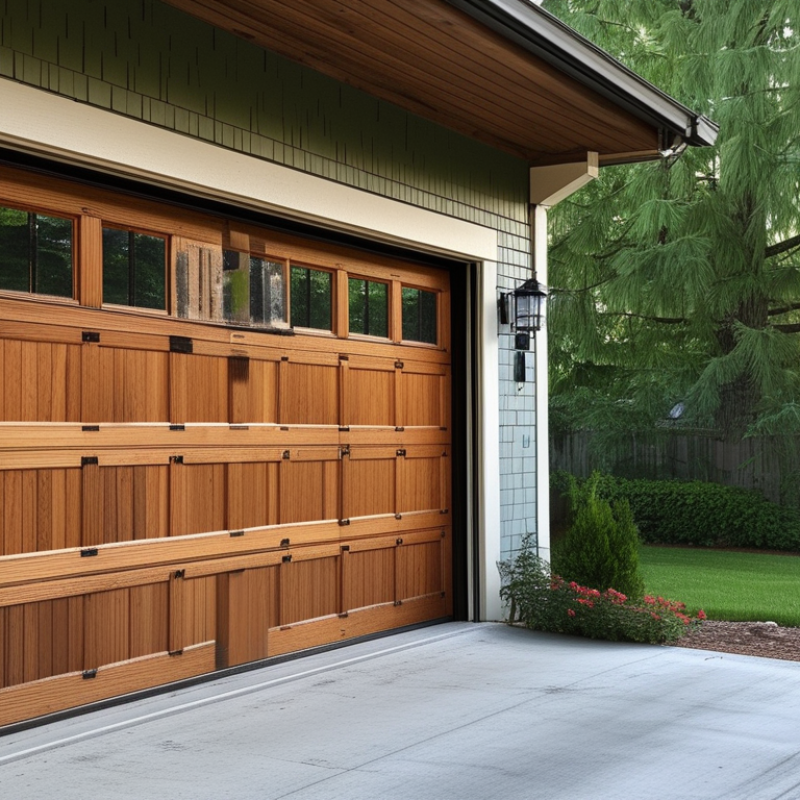
What Causes Noisy Garage Doors and How to Fix Them?

Common Causes of Noisy Garage Doors

Garage doors can be surprisingly noisy, causing disruption in your home. Understanding the common sources of this noise is key to fixing it. A report by the Garage Door Manufacturers Association highlights that over 30% of homeowners experience noise issues with their garage doors.

One major cause is worn-out rollers. Metal rollers can rust, while plastic ones can wear down over time. They may create a grinding sound during operation. According to industry studies, replacing these rollers can significantly reduce noise. Another culprit is the garage door opener. Chain-driven models offer strength but can be loud. Upgrading to a belt-driven opener can help.

Tracks misalignment is often overlooked. If the tracks are bent or misaligned, it can lead to excessive noise. Aligning the tracks is a task that may seem simple, yet many owners struggle with it. Regular maintenance is essential; lubricating the moving parts can enhance performance and minimize sound. Checking and tightening hardware is another area where homeowners frequently neglect. Addressing these issues early can lead to a quieter garage door experience.

Identifying Different Types of Noises from Garage Doors

Garage doors can produce a variety of noises, indicating underlying issues. Identifying these sounds is important for effective repairs. Common noises include grinding, rattling, and squeaking. Each sound can reveal distinct problems. For instance, squeaking often points to worn-out rollers or lack of lubrication. Research shows that around 65% of homeowners experience some noise issues with their garage doors.

Grinding sounds typically result from misaligned or damaged components. This noise might suggest that the gears or motor are under strain. Reports indicate that at least 20% of garage doors require realignment to function smoothly. Rattling noises can stem from loose hardware. This issue is often overlooked but can lead to larger mechanical failures if not addressed.

Regular maintenance is essential for noise reduction. Using a silicone-based lubricant on moving parts can significantly decrease unwanted sounds. Research highlights that maintenance can extend the life of garage door systems by up to 30%. Owners should regularly check the alignment and tightness of various hardware components. A proactive approach can prevent costly repairs down the line while ensuring a quieter operation.

DIY Fixes for Noisy Garage Door Issues

Noisy garage doors can be a common nuisance. Understanding the source of the noise can help in resolving the issue effectively. According to a study by the International Door Association, nearly 70% of homeowners experience some level of noise from their garage doors. This noise often stems from worn rollers, frayed cables, or lack of lubrication.

One DIY fix is to inspect the rollers. If they are rusty or cracked, replacing them can reduce noise significantly. Lubrication is key. A silicone-based spray can quiet squeaky parts. Ensure to apply it to hinges, springs, and tracks. Over time, debris can accumulate in the tracks, causing additional noise. Regular cleaning can prevent this buildup and maintain smooth operation.

Additionally, check the alignment of the garage door. Misaligned doors can produce rattling noises when opening or closing. Adjusting the track and ensuring proper alignment can be a straightforward task. Remember, not every solution will work for every door. Reflect on your specific situation to determine the best approach for your noisy garage door.

What Causes Noisy Garage Doors and How to Fix Them? - DIY Fixes for Noisy Garage Door Issues

Cause Description DIY Fix Frequency of Occurrence
Worn Rollers Rollers can wear down and cause scraping noises when opening and closing. Replace worn rollers with new ones. Common
Loose Hardware Nuts, bolts, and screws can become loose, resulting in rattling sounds. Tighten all loose hardware to eliminate rattling. Frequent
Lack of Lubrication Dry components can cause squeaking or grinding noises. Apply garage door lubricant to hinges, rollers, and tracks. Common
Misaligned Tracks Tracks may become misaligned, causing the door to bind during operation. Realign the tracks carefully, ensuring they are straight. Less Common
Old or Damaged Door Opener An old opener may make loud noises when lifting or lowering the door. Consider replacing the door opener with a new, quieter model. Occasional

When to Call a Professional for Noisy Garage Doors

When dealing with noisy garage doors, it can be tempting to ignore the sounds. Yet, some noises indicate that it’s time to call a professional. If your garage door squeaks, grinds, or clanks, those are signs that something might be wrong. An experienced technician can pinpoint the problem, whether it’s worn-out rollers, rusty tracks, or a malfunctioning opener.

It's crucial to understand when to seek help. If the noise is persistent and unsettling, it is wise to consult an expert. They can assess the door's balance and inspect the intricate components. Ignoring these sounds can lead to more severe issues, such as a complete breakdown. In some cases, DIY repairs can make the situation worse, costing you more in the long run. Seeking professional help ensures that complex issues are addressed correctly and safely.

Don’t overlook the importance of professional guidance. Their expertise can prevent small problems from becoming major headaches. A well-maintained garage door not only enhances convenience but ensures safety as well. Listening to those sounds might save you time, money, and frustration in the future.

Preventative Maintenance Tips to Reduce Noise in Garage Doors

Garage doors can be surprisingly noisy. Common sources of noise include worn rollers, torsion springs, and loose hardware. Over time, these components can degrade and create unwanted sounds. According to industry reports, nearly 30% of garage door issues are related to maintenance neglect. Regular checks are essential to prevent escalating problems.

Preventative maintenance is crucial for reducing noise. Lubricating the moving parts is one of the most effective steps. A periodic application of garage door lubricant can minimize friction and noise. The International Door Association suggests this should be done every six months. Tightening the hardware can also make a significant difference. Loose screws and bolts can lead to rattling sounds during operation.

Vibrations can exacerbate noise as well. Installing rubber pads under the garage door tracks may help absorb some of the sound. While these measures can be effective, each garage presents unique challenges. Homeowners should regularly assess their garage doors for signs of wear. Embracing these best practices can lead to quieter operation and a more serene home environment.

FAQS

: What are common causes of noisy garage doors?

: Worn-out rollers, misaligned tracks, and the type of garage door opener can cause noise issues.

How do worn-out rollers affect garage door noise?

Worn-out rollers can create grinding sounds when the door operates. Replacing them can reduce noise significantly.

Why is the type of garage door opener important?

Chain-driven openers can be loud. Upgrading to a belt-driven model may help reduce noise.

What does squeaking usually indicate?

Squeaking often suggests worn-out rollers or insufficient lubrication. Regular lubrication can resolve this.

How can misaligned tracks affect garage door operation?

Misaligned tracks may produce excessive noise and lead to operational issues. Aligning tracks is crucial yet often neglected.

What role does regular maintenance play in reducing noise?

Maintenance, like lubricating moving parts, can minimize noise and extend the garage door's lifespan significantly.

Conclusion

Noisy garage doors can be a common nuisance, and understanding what causes garage doors to become noisy is essential for effective maintenance. Common causes include loose hardware, worn rollers, and lack of lubrication, which can lead to various sounds like squeaking, grinding, or rattling. Identifying these noises helps homeowners diagnose issues accurately.

For DIY enthusiasts, there are several fixes available, such as tightening bolts, replacing worn parts, and applying lubricant to moving components. However, if the problem persists or if there are more severe structural issues, calling a professional is advisable. To prevent future noise, regular maintenance practices should be implemented, such as lubricating the tracks and inspecting components regularly, ensuring a quieter and smoother operation of garage doors.

Oliver

Oliver

Oliver is a seasoned marketing professional with a wealth of expertise in driving brand awareness and engagement. With a deep understanding of our company's product offerings, he consistently delivers high-quality content that enriches our professional blog. His insights not only shed light on......